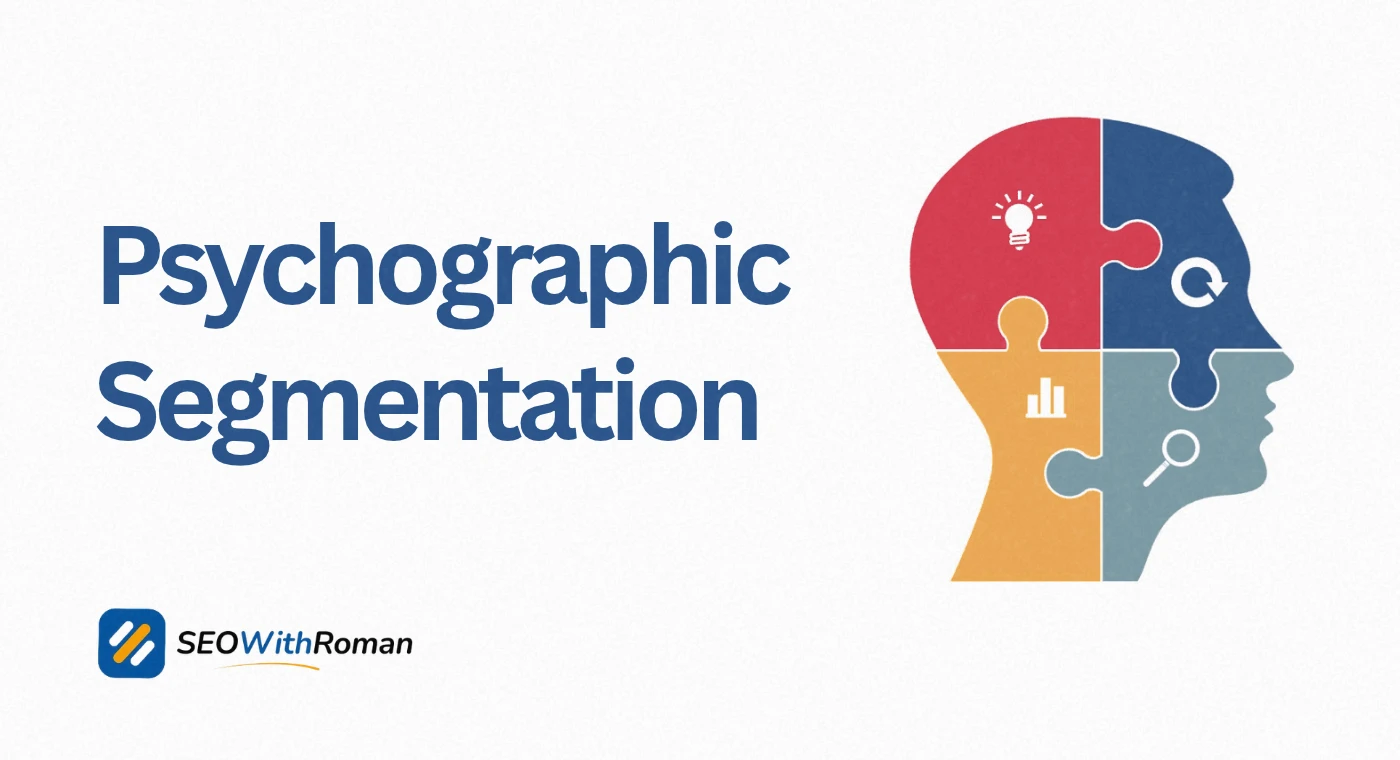
- Psychographic segmentation divides an audience based on values, beliefs, lifestyle, interests, and personality traits rather than just age or location
- It goes deeper than demographic segmentation by answering not just who your customer is but why they buy
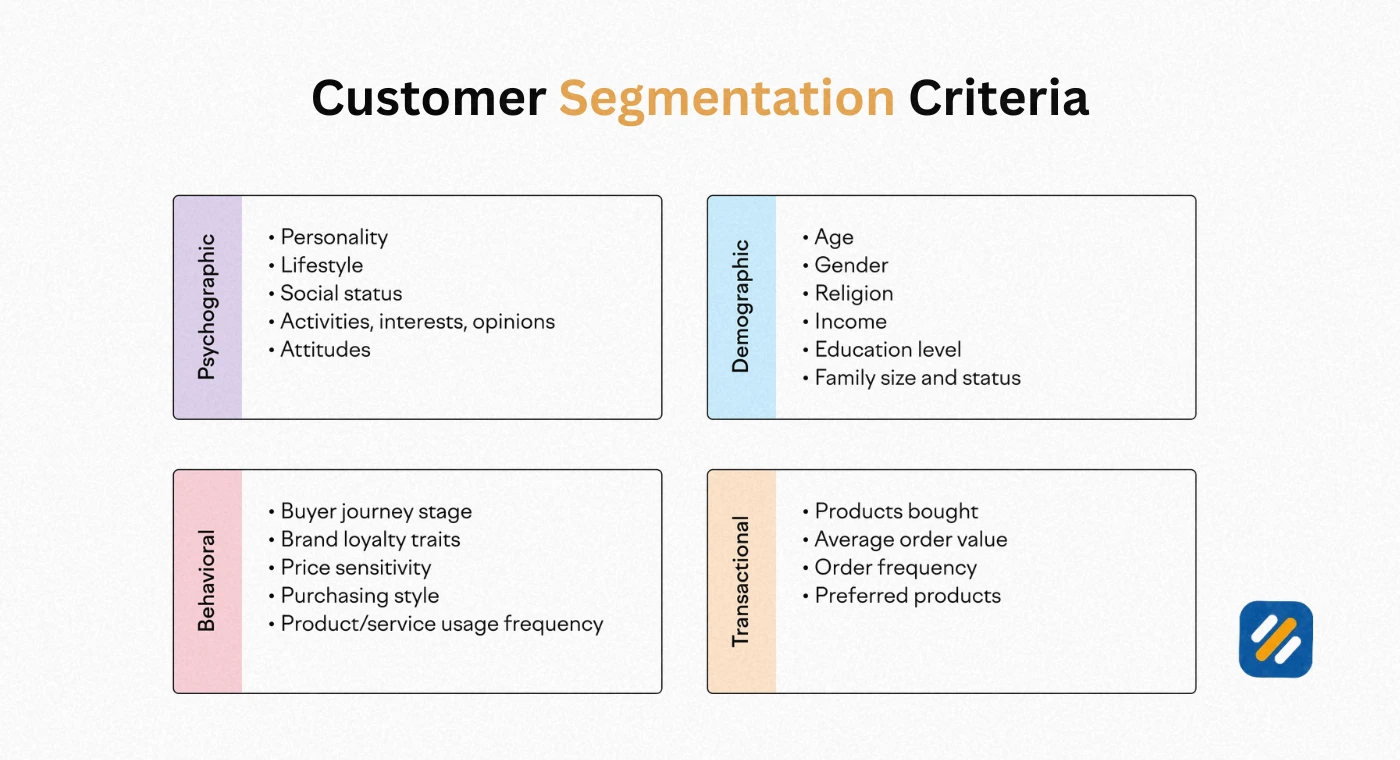
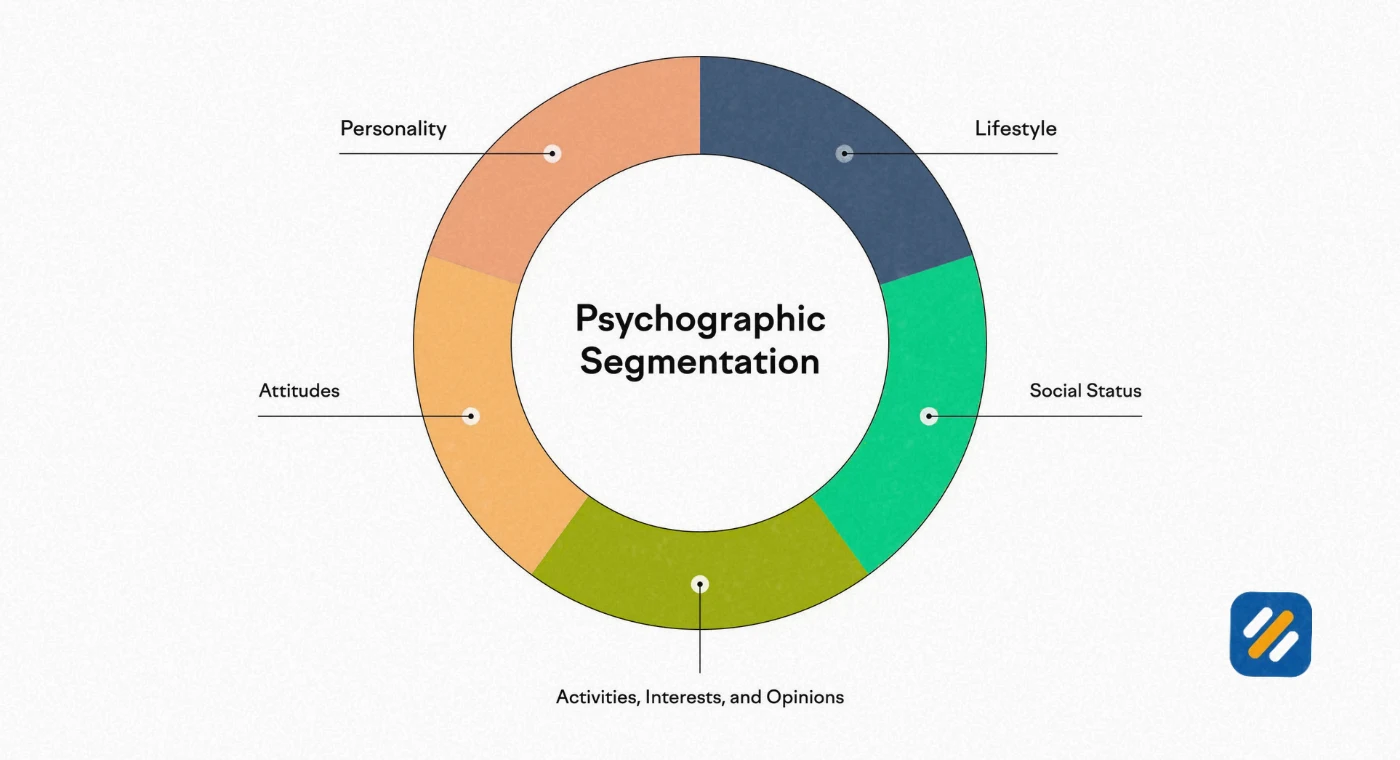
- The five core psychographic variables are personality, values, lifestyle, social status, and activities and interests
- Brands like Apple, Nike, and Patagonia have built billion dollar identities using psychographic segmentation as their core marketing strategy
- In digital marketing and SEO, psychographic data helps you create content that resonates deeply with the right audience and ranks for the right intent
1 What Is Psychographic Segmentation and Why Every Marketer Needs to Understand It
Most businesses know basic facts about their customers. Age, gender, location, income level. These are demographic facts and they are useful. But they only tell you who your customer is on paper. They do not tell you what your customer believes in, what keeps them up at night, what kind of life they are trying to live, or why they choose one brand over another.
That gap is exactly what psychographic segmentation fills
Psychographic segmentation is a market research method that divides a target audience into groups based on psychological characteristics. These include values, beliefs, personality traits, lifestyle choices, social status, activities, interests, opinions, and motivations. Instead of grouping people by what they look like on a census form, psychographic segmentation groups them by how they think, what they care about, and how they see themselves.
The term psychographic combines two words. Psycho refers to the mind and mental states. Graphic refers to written or described characteristics. Together, psychographics meaning is essentially a written profile of the inner life of your customer.
Here is why this matters more than most marketers realise. Two people can share identical demographics but behave in completely opposite ways as consumers. A 35-year-old woman earning $80,000 per year in New York could be a minimalist who buys secondhand clothing and spends her weekends hiking. Another 35-year-old woman with the same income in the same city could be a fashion enthusiast who shops luxury brands and spends weekends at art galleries. Same demographic profile. Completely different psychographic profiles. Completely different marketing messages needed.
Psychographic segmentation is what allows you to speak directly to each of them in a way that actually lands.
2 Psychographic Segmentation vs Demographic Segmentation | What Is the Real Difference
Before going deeper into how psychographic segmentation works, it helps to understand clearly how it differs from the other major segmentation methods. This is one of the most searched questions around this topic and the confusion is understandable.
| Segmentation Type | What It Measures | Example Variable | What It Tells You |
|---|---|---|---|
| Demographic | Who the person is | Age 25 to 34, female, urban | Surface level identity facts |
| Psychographic | Why the person buys | Values sustainability, seeks adventure | Inner motivations and beliefs |
| Behavioral | What the person does | Purchases twice per month, loyal to one brand | Actions and patterns |
| Geographic | Where the person is | Lives in London, searches from mobile | Location based context |
| Firmographic | What company they work for | B2B company with 50 to 200 employees | Business profile for B2B targeting |
3 What are the four types of market segmentation?
The four primary types of market segmentation used in marketing are demographic, psychographic, behavioral, and geographic. Each one provides a different lens for understanding your audience.
Demographic segmentation is the starting point for most businesses. It is fast, easy to collect, and gives you a basic profile.
Psychographic segmentation is the next level. It explains the motivations behind the demographic data you already have.
Behavioral segmentation tracks what people actually do, their purchase history, brand interactions, and usage patterns.
Geographic segmentation places customers in physical or digital locations and helps with localisation and regional targeting.
The most powerful marketing strategies use all four together, but psychographic segmentation is what gives your messaging its emotional depth and relevance.
4 The 5 Core Variables of Psychographic Segmentation
Psychographic segmentation is built on five core variables. Each one captures a different dimension of the inner life of your customer. Understanding all five is what separates surface level audience research from genuinely actionable psychographic information.
Variable 1: Personality Traits
Personality traits describe stable psychological characteristics that influence how a person approaches decisions, relationships, and life in general. Common personality dimensions used in psychographic market segmentation include introversion versus extroversion, openness to new experiences, conscientiousness, agreeableness, and emotional stability.
A brand selling adventure travel packages targets personality traits like openness, risk tolerance, and desire for novelty. A brand selling tax software targets conscientiousness, reliability, and control. Same audience age group. Completely different personality appeal.
Variable 2: Values and Beliefs
Values are the deeply held principles that guide a person’s decisions at the most fundamental level. They are slow to change and extremely powerful as predictors of purchasing behaviour.
A consumer who places high value on environmental responsibility will pay more for a product with sustainable packaging even if a cheaper alternative performs identically. A consumer who values family above career will respond to messaging built around time with loved ones more than messaging built around professional achievement.
Variable 3: Lifestyle
Lifestyle describes how a person spends their time, energy, and money on a daily basis. It includes daily routines, leisure activities, consumption habits, and the overall pace and structure of their life.
A person with an active lifestyle who wakes at 5am, exercises daily, and prioritises nutrition is a fundamentally different customer than someone with a sedentary lifestyle who values comfort and convenience. Even if they are buying the same product category, the marketing message, the product features, and the channels you use to reach them need to be completely different.
Variable 4: Social Status and Class Aspirations
Social status segmentation goes beyond income level. It captures how a person sees themselves within their social group and what status signals they respond to in purchasing decisions.
Some consumers buy products that signal membership in a group they already belong to. Others buy products that signal membership in a group they aspire to join. Luxury brands like Rolex and Louis Vuitton have built their entire marketing around this aspiration signal. Understanding whether your audience buys to maintain status or to achieve it completely changes how you position your product.
Variable 5: Activities, Interests, and Opinions (AIO)
AIO data captures what people do in their free time, what topics they engage with actively, and what views they hold on social, political, and cultural issues. This is the most granular level of psychographic information and the most useful for content marketing and social media targeting.
A person who is actively interested in personal finance, listens to investing podcasts, and holds the opinion that financial independence is the most important life goal is a precisely defined psychographic segment for a fintech product, not just “adults aged 25 to 45.”
5 Real Psychographic Segmentation Examples From Brands That Got It Right
The most effective way to understand psychographic segmentation in practice is to look at how major brands have used it to build campaigns and products that feel impossibly relevant to their audience.
Apple
Apple does not sell computers and phones. Apple sells the identity of being a creative, forward-thinking individual who refuses to follow the crowd. Their iconic “Think Different” campaign from 1997 had nothing to do with product features. It was pure psychographic positioning, targeting people who saw themselves as visionaries and non-conformists.
The psychographic segment Apple built its brand around values creativity, individuality, design appreciation, and the belief that technology should be intuitive and beautiful. That segment has remained loyal for decades regardless of price, because Apple speaks directly to who those customers believe they are.
Nike
Nike’s “Just Do It” is not demographic targeting. It is psychographic segmentation at its most refined. It targets people who value self-discipline, pushing personal limits, and the belief that athletic effort defines character.
Nike does not care if you are 20 or 60, male or female, running competitively or just getting off the couch. Their psychographic target audience is anyone who believes in the internal drive to do better. That is a psychographic value proposition that spans every demographic category.
Patagonia
Patagonia built its entire brand around the psychographic segment of environmentally conscious outdoor enthusiasts. Their customers do not just want outdoor gear. They want to participate in a movement against environmental destruction. Patagonia’s “Don’t Buy This Jacket” campaign directly told customers to buy less, which is counterintuitive from a sales perspective but perfectly aligned with their target psychographic segment’s values.
Harley Davidson
Harley Davidson sells freedom, rebellion, and brotherhood. Their customers are not buying a vehicle. They are buying membership in a lifestyle identity. Harley understood that their psychographic segment values independence, community, and a rejection of conventional corporate life. Everything from their rally events to their merchandise communicates this identity.
6 What Is a Psychographic Target Audience and How Do You Define Yours
A psychographic target audience is a defined group of people who share similar psychological characteristics and are therefore likely to respond to the same marketing messages, content, and product positioning.
Defining your psychographic target audience requires going beyond surface level descriptions. Instead of saying “our audience is women aged 25 to 40,” a psychographic target audience definition sounds more like this:
“Our audience is women aged 25 to 40 who value self-improvement, feel time-pressured by balancing career and family, are sceptical of mainstream health advice, prefer solutions backed by science, and see investing in their own health as a non-negotiable priority.”
That second description gives you everything you need to write a headline, design a landing page, choose a content format, and select the right tone of voice. The first description gives you almost nothing.
Here is how to define your psychographic target audience in five steps
Step 1: Start with your best existing customers. Look at the customers who buy most frequently, spend the most, refer others, and complain the least. Interview five to ten of them. Ask about their values, what they were trying to achieve when they found you, what other brands they love, and what frustrates them about your industry.
Step 2: Identify common patterns. After several interviews, you will see the same values, fears, and aspirations coming up repeatedly. These patterns are your psychographic segment.
Step 3: Layer demographic data on top. Once you have the psychographic profile, add the demographic data to create a complete persona. Demographics tell Google and Facebook who to target. Psychographics tell you what to say to them.
Step 4: Name and document the segment. Give the segment a name and a one-paragraph description. This keeps your team aligned and ensures that everyone producing content, ads, or products for this audience is speaking to the same person.
Step 5: Validate through testing. Run targeted content or ad campaigns aimed at your defined psychographic segment. Click-through rate, engagement rate, and conversion rate will tell you quickly whether your psychographic definition is accurate.
7 How to Collect Psychographic Data | Methods That Actually Work
Psychographic information does not appear in a database the way age or postcode data does. It has to be actively gathered through research, observation, and analysis. Here are the most effective methods:
| Data Collection Method | What It Captures | Best Tool or Platform | Cost |
|---|---|---|---|
| Customer surveys | Values, opinions, lifestyle preferences | Google Forms, Typeform, SurveyMonkey | Free to low cost |
| In-depth interviews | Deep motivations, fears, aspirations | Zoom, in person | Time investment |
| Social media listening | Interests, opinions, language patterns | Brandwatch, Sprout Social, native analytics | Free to paid |
| Website behaviour analysis | Content interests, engagement patterns | Google Analytics 4, Hotjar | Free to paid |
| Focus groups | Group dynamics, shared values | In person or online facilitated | Moderate cost |
| Third party psychographic data | Pre-built audience segments | Experian Mosaic, Nielsen PRIZM | Paid |
| Reviews and community forums | Frustrations, aspirations, language | Reddit, Trustpilot, Amazon reviews | Free |
One of the most underrated sources of psychographic data is your own review and comment section. The language your customers use to describe their problems, what they were hoping for before they found you, and how they describe the results they achieved are psychographic gold. That language also becomes the foundation of your SEO content and ad copy.
8 Psychographic Segmentation in Digital Marketing and SEO | The Connection Most Brands Miss
This is where psychographic segmentation becomes directly relevant to anyone running a digital marketing strategy in 2026, and it is a connection that most marketing guides on this topic completely skip over.
Search intent is psychographic data
When someone types “how to get out of debt fast” into Google, they are revealing a psychographic profile. They are financially stressed, motivated to change their situation, and looking for actionable solutions rather than theoretical advice. When someone searches “best minimalist running shoe for marathon training,” they are revealing that they are performance-focused, value simplicity in design, and are committed enough to train for a marathon.
Every search query is a psychographic signal. The best SEO strategies in 2026 are built on understanding those signals, not just targeting keywords.
Here is how psychographic segmentation improves your SEO and digital marketing results directly:
Content creation: When you know your audience’s values, interests, and motivations, you write content that answers real questions in the voice they actually use. This improves dwell time, reduces bounce rate, and increases the probability that your content earns links from other websites because it genuinely resonates.
Keyword selection: Psychographic research surfaces the language your audience actually uses, which is often different from the technical language your industry uses. A health brand targeting wellness-conscious millennials writes differently than one targeting medical professionals, even on the same topic.
Ad targeting: Platforms like Meta Ads, Google Display, and LinkedIn allow you to target audiences by interests, behaviours, and beliefs, all of which are psychographic variables. A clearly defined psychographic segment makes ad targeting dramatically more precise and cost-effective.
Email personalisation: Segmenting your email list by psychographic profile and tailoring subject lines and content to each segment consistently improves open rates and click-through rates beyond what demographic segmentation alone can achieve.
9 3 Expert Tips for Getting Psychographic Segmentation Right
Tip 1: Listen Before You Assume
The most common mistake in psychographic segmentation is assuming you already know what your audience values. Read 50 recent reviews of your product or your competitors’ products before building a psychographic profile. The language customers use to describe their problems and desires is more accurate than any internal assumption.
Tip 2: Use One Primary Segment to Start
Trying to build five psychographic segments at once leads to diluted messaging and unfocused content. Identify your single most important customer segment, build everything for them first, and expand to secondary segments once your primary segment strategy is working.
Tip 3: Revisit Your Segments Every 12 Months
Psychographic profiles are more stable than behavioural data but they are not permanent. Major cultural shifts, economic changes, and generational transitions can alter the values and lifestyle priorities of your audience significantly. Set a calendar reminder to review and update your psychographic segments at least once per year.
10 Conclusion
Demographic data tells you who your customer is. Psychographic segmentation tells you who they believe they are, what they stand for, and why they buy what they buy. That deeper layer of understanding is what separates marketing that gets ignored from marketing that builds genuine loyalty.
The brands that dominate their markets in 2026 are not the ones with the biggest budgets. They are the ones that understand their audience so deeply that every piece of content, every ad, and every product decision feels personally relevant to the people it was made for.
Start by interviewing your five best customers this week. Ask them what they value, what they were trying to achieve, and why they chose you. Those conversations are the beginning of a psychographic strategy that will make everything else you do in marketing more precise, more effective, and more human.
Have a question about psychographic segmentation? Drop a comment below and I will answer it personally.
Join 1,000+ business owners and bloggers who get one actionable SEO tip every week — straight to their inbox. Free forever.
Get Free Weekly Tips →