- Pay per click advertising means you only pay when someone clicks your ad, not when they see it
- PPC full form is Pay Per Click and it sits under the broader umbrella of Search Engine Marketing
- Google Ads is the largest PPC platform in the world, followed by Meta Ads and Microsoft Advertising
- A successful PPC campaign requires the right keyword selection, compelling ad copy, and a landing page that converts
- PPC and SEO work best together, PPC delivers immediate traffic while SEO builds long term organic authority
1 What Is Pay Per Click Advertising and Why Every Business Should Understand It
Here is the simplest explanation of pay per click advertising you will ever read.
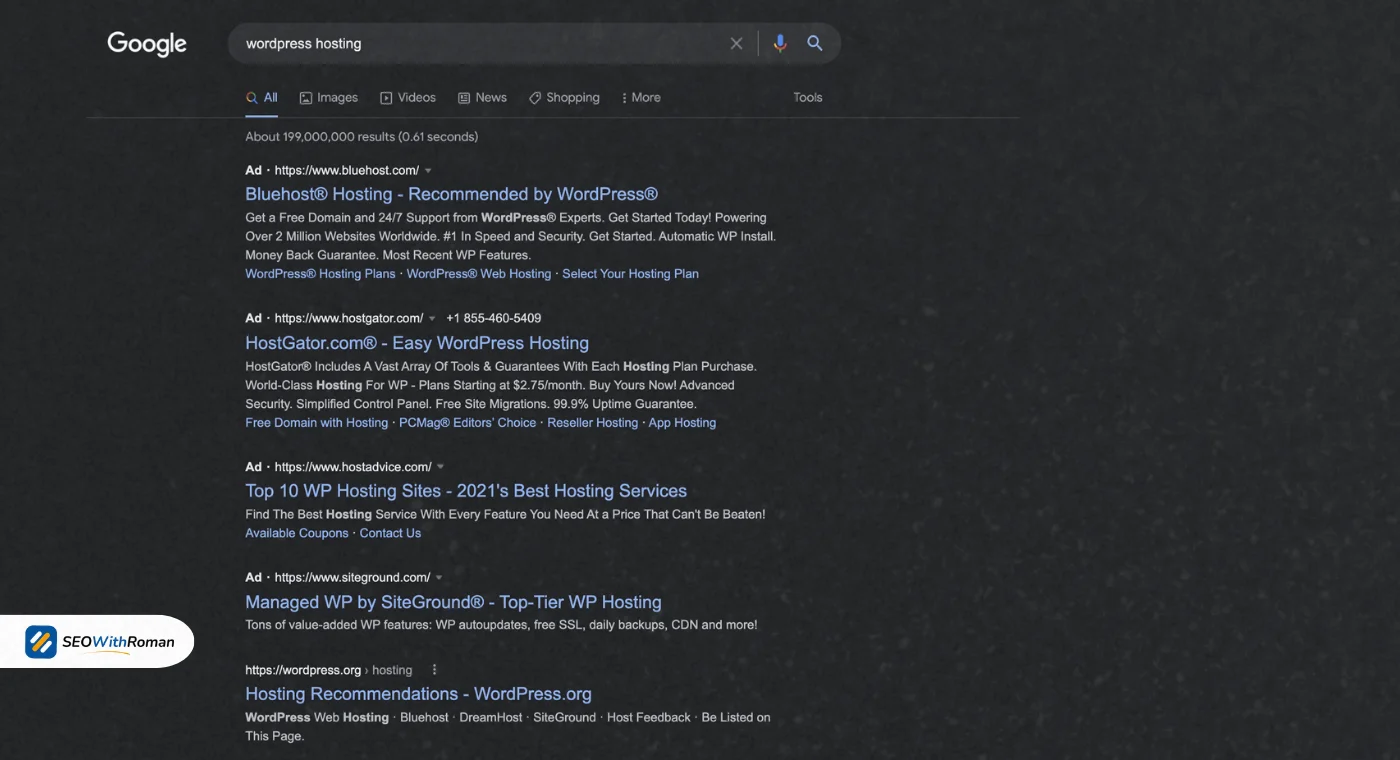
Every time you search something on Google and see results with a small "Sponsored" label at the top, those are PPC ads. The business that placed that ad does not pay anything for it to appear. They only pay when you actually click on it.
That is the entire concept behind pay per click advertising. You pay for clicks, not for impressions. Not for views. Not for eyeballs. Only for the moment a real person decides your ad is relevant enough to click.
PPC full form is Pay Per Click. In digital marketing, it is also referred to as paid search, paid advertising, cost per click advertising, or simply ads pay per click. All of these terms describe the same fundamental model.
In many years of working across B2B, ecommerce, healthcare, and CXM campaigns, I have seen PPC work brilliantly when executed correctly and drain budgets completely when approached without a strategy. The difference between those two outcomes is almost never budget size. It is always preparation, targeting, and ongoing optimisation.
This guide covers everything you need to understand PPC advertising from the ground up, including how it works, what it costs, how to build your first campaign, and how to manage it so it actually delivers a return.
2 PPC Full Form and What It Actually Means in Digital Marketing
PPC stands for Pay Per Click. It is a digital advertising model where advertisers bid to place ads on search engines, social media platforms, and other websites and pay only when a user clicks their ad.
PPC in digital marketing sits under the broader category of Search Engine Marketing, commonly called SEM. SEM covers all paid efforts to appear in search engine results, while SEO covers the organic unpaid side of the same results page.
Understanding where PPC fits in the wider digital marketing picture is important before running any campaign
| Term | Full Form | What It Covers |
|---|---|---|
| PPC | Pay Per Click | Paying for each click on your ad across any platform |
| SEM | Search Engine Marketing | All paid activities to appear in search results |
| SEO | Search Engine Optimisation | Earning organic rankings without paying per click |
| CPC | Cost Per Click | The actual amount you pay per click in an auction |
| CPM | Cost Per Mille | Paying per 1,000 impressions rather than per click |
| CTR | Click Through Rate | Percentage of people who see your ad and click it |
| ROAS | Return on Ad Spend | Revenue generated for every dollar spent on ads |
| Quality Score | N/A | Google's rating of your ad relevance and landing page quality |
The reason PPC has become one of the dominant digital marketing channels is the control it gives advertisers. You decide who sees your ad, when they see it, what it says, and exactly how much you are willing to pay to get in front of them.
3 How Does Pay Per Click Advertising Actually Work
Most beginners assume PPC works like a simple auction where the highest bidder wins the top ad position. That was roughly true in the early days of Google Ads. In 2026, it is far more nuanced than that, and understanding the real mechanics gives you a significant advantage over competitors who are just throwing budget at campaigns.
When someone types a search query into Google, an automated auction runs in milliseconds before the results page loads. Every advertiser who has bid on keywords related to that query enters the auction. Google then calculates an Ad Rank score for each advertiser and uses that score to determine which ads appear, in what order, and how much each advertiser actually pays per click.
Ad Rank is calculated using these factors
Your bid: The maximum amount you are willing to pay per click. This is your ceiling, not what you actually pay. Most of the time you pay less than your maximum bid.
Quality Score: Google's rating of how relevant your ad and landing page are to the user's search query. Quality Score is scored from 1 to 10 and is built from three components: expected click through rate, ad relevance, and landing page experience.
Expected impact of ad extensions: Whether you have added phone numbers, sitelinks, callouts, or other extensions that make your ad more useful to the searcher.
Auction competitiveness: How many other advertisers are bidding on the same keywords and how strong their Ad Rank scores are.
The critical insight here is that a higher Quality Score can outrank a higher bid. Google has confirmed publicly that an advertiser with a lower bid but a more relevant, higher quality ad can appear above an advertiser spending significantly more per click. This means PPC success is not purely a budget game. It is a relevance game.
4 Types of Pay Per Click Advertising You Need to Know
PPC advertising is not just search ads on Google. It covers a wide range of ad formats across multiple platforms, each suited to different campaign goals and audience types.
Search Ads
Search ads are text-based ads that appear in Google or Bing search results when someone types a relevant query. They are the most commonly used PPC format because they reach people at the exact moment they are actively looking for something. A person searching "pay per click management services" is expressing clear intent. A well-targeted search ad captures that intent at the perfect moment.
Display Ads
Display ads are visual banner ads that appear across millions of websites in Google's Display Network. Rather than targeting people based on what they are searching for, display ads target people based on their interests, demographics, and browsing behaviour. They are best for building brand awareness and remarketing to people who have already visited your website.
Shopping Ads
Shopping ads show a product image, price, and store name directly inside Google search results. They are built specifically for ecommerce businesses and consistently outperform text ads for product-specific searches because the buyer can see exactly what they are clicking on before they click.
Video Ads
Video ads run on YouTube and across Google's video partners. They can appear before, during, or after YouTube videos. The most effective video ads for PPC purposes are skippable in-stream ads, where you typically only pay when someone watches at least 30 seconds of your ad or clicks through to your website.
Social Media PPC Ads
Platforms including Meta (Facebook and Instagram), LinkedIn, TikTok, and X all run their own PPC advertising systems. Social PPC is particularly powerful for reaching specific audience segments based on demographic data, job titles, interests, and behaviours rather than search intent.
5 The Main PPC Platforms Compared | Where Should Your Budget Go
Choosing the right PPC platform is one of the most important decisions in any PPC strategy. Different platforms reach different audiences with different levels of purchase intent.
| Platform | Best For | Average CPC | Audience Targeting Type | Minimum Budget |
|---|---|---|---|---|
| Google Ads | High intent searchers ready to buy or enquire | $1 to $6 average, up to $50+ in competitive niches | Keyword based, demographic, location | No minimum, flexible daily budget |
| Microsoft Advertising | Older, higher income demographic, lower competition | 20 to 35% cheaper than Google on average | Same as Google Ads with LinkedIn integration | No minimum |
| Meta Ads | Brand awareness, interest-based targeting, remarketing | $0.50 to $3.50 average | Demographic, interest, behaviour based | No minimum, flexible |
| LinkedIn Ads | B2B lead generation, professional audience targeting | $5 to $15 average, higher for senior audiences | Job title, industry, company size, seniority | $10 per day minimum |
| TikTok Ads | Younger audiences, product discovery, video content | $0.50 to $2 average | Interest, demographic, behaviour based | $50 per day campaign minimum |
| Amazon Ads | Product sales, ecommerce, purchase intent | $0.81 average for sponsored products | Keyword and product based | No minimum |
For most small businesses and personal brands starting with PPC, Google Ads is the right starting point. The intent is the highest of any platform, the targeting options are the most flexible, and the data available for optimisation is the most comprehensive.
6 PPC Advertising Costs | What You Will Actually Pay and Why
One of the most common questions I get from small business owners is: how much does pay per click advertising cost?
The honest answer is: it depends entirely on your industry, your keywords, and how well you manage your campaigns. But here is what the data shows across industries.
The average cost per click across all industries on Google Ads is approximately $2.69 for search ads. But that average hides enormous variation. Legal and financial services regularly see CPCs above $50. Legal keywords like "mesothelioma lawyer" have historically had CPCs exceeding $100 per click because the lifetime value of a single client is worth tens of thousands of dollars.
For most small business sectors, CPCs range between $1 and $10 per click. Here are realistic benchmarks
| Industry | Average CPC on Google Ads | Competition Level |
|---|---|---|
| Legal Services | $6 to $100+ | Very High |
| Financial Services | $5 to $50 | Very High |
| Healthcare | $4 to $30 | High |
| B2B SaaS | $5 to $20 | High |
| Home Services | $3 to $12 | Medium |
| Ecommerce (general) | $1 to $5 | Medium |
| Education | $2 to $8 | Medium |
| Travel and Tourism | $1 to $4 | Medium |
| Arts and Entertainment | $0.50 to $2 | Low |
The most important number in PPC is not your cost per click. It is your cost per conversion. A $10 CPC that generates a $500 sale is far better than a $1 CPC that generates no sales at all. Always measure your PPC campaign management performance against the cost of acquiring a customer, not just the cost of a click.
7 How to Build Your First PPC Campaign Step by Step
This is the section most guides either skim over or make unnecessarily complicated. Here is the exact process for building a pay per click campaign that has a real chance of delivering results from day one.
Step 1: Define your campaign goal before touching any settings
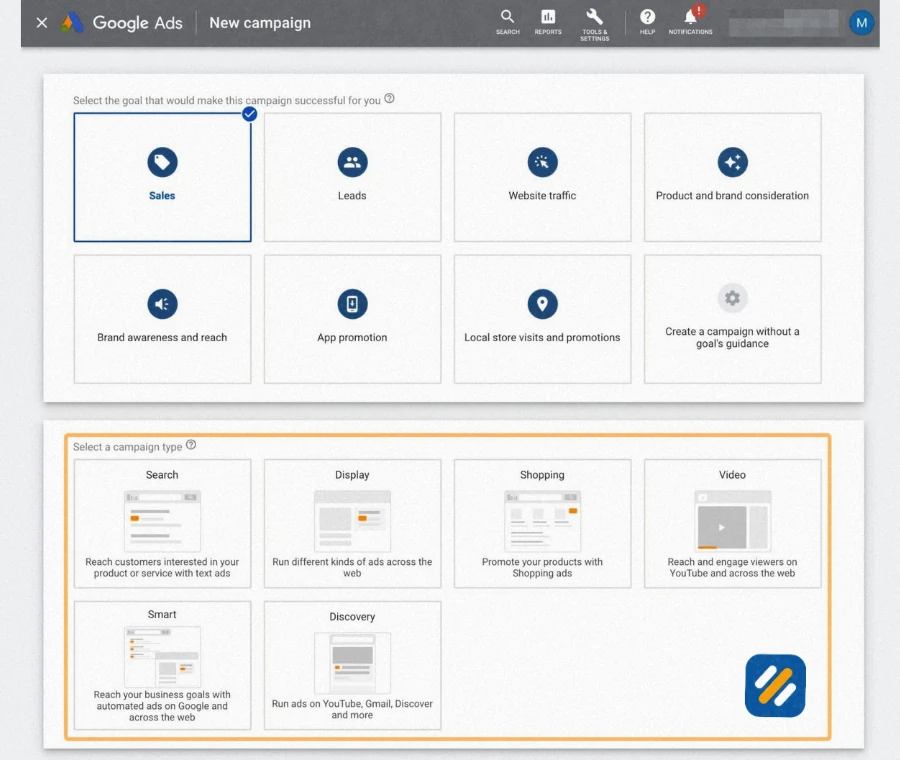
Every decision in your PPC campaign flows from your goal. Are you trying to generate leads, drive ecommerce sales, build brand awareness, or get phone calls? Set one primary goal per campaign. Trying to achieve multiple goals with a single campaign almost always produces mediocre results for all of them.
Step 2: Choose your platform based on where your audience is
If your audience is actively searching for your product or service, Google Ads search campaigns are your starting point. If your audience needs educating before they will consider buying, or if you are targeting a very specific professional demographic, Meta or LinkedIn may be more appropriate for your first pay per click campaign.
Step 3: Do keyword research for your PPC campaign
For search campaigns, keyword selection is the most critical step. Use Google Keyword Planner to find keywords with confirmed search volume. For a new PPC campaign, focus on keywords with clear commercial intent, terms that include words like "buy," "price," "service," "hire," or "near me." These indicate a searcher closer to making a decision.
Set up negative keywords from day one. Negative keywords prevent your ads from showing for irrelevant searches that would waste your budget. If you sell paid accounting software, add "free" as a negative keyword so your ads never appear for people looking for free solutions.
Step 4: Set your daily budget and bidding strategy
For a first campaign, start with manual CPC bidding so you maintain full control over what you spend per click. Set a daily budget you are genuinely comfortable losing entirely while you gather data, because the first two to four weeks of any PPC campaign is a learning phase. A realistic starting budget for a small business is $20 to $50 per day.
Step 5: Write compelling ad copy that matches search intent
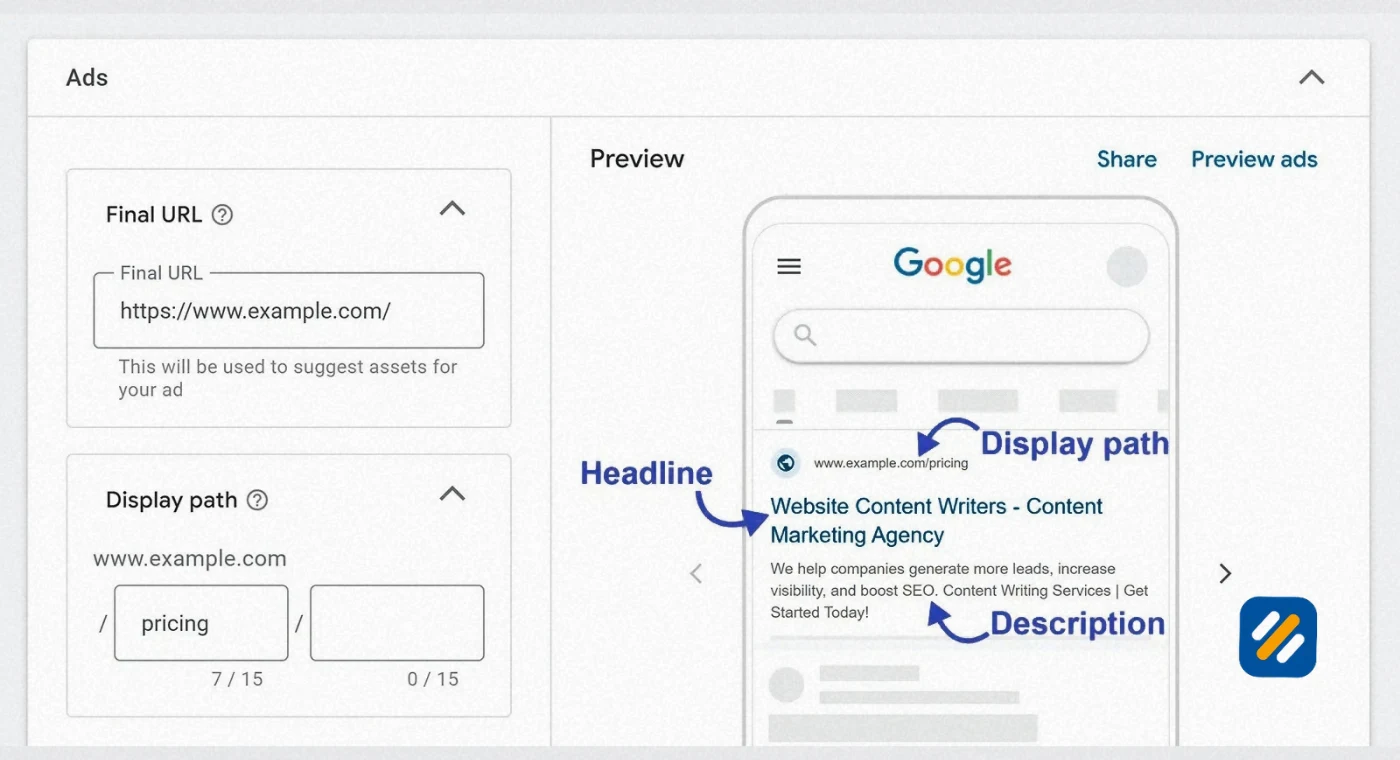
Your ad headline must contain your primary keyword. Your description must state a specific benefit and include a clear call to action. Write at minimum three headline variations and two description variations per ad group so Google can test combinations and identify which performs best.
The most common ad copy mistake is leading with features instead of benefits. "Our software has 50 integrations" is a feature. "Connect your favourite tools and save 3 hours a week" is a benefit. Benefits win clicks every time.
Step 6: Build a dedicated landing page for each campaign
Never send PPC traffic to your homepage. Your homepage serves too many audiences and too many goals to convert paid traffic effectively. Build a dedicated landing page that mirrors the exact promise your ad makes. If your ad says "Free SEO Audit for Small Businesses," your landing page headline should say exactly that.
Step 7: Set up conversion tracking before launch
Without conversion tracking you are flying blind. You will know how many clicks you are getting but not how many of those clicks turn into enquiries, sales, or phone calls. Install Google Ads conversion tracking or connect Google Analytics 4 before your campaign goes live. This data is what drives every optimisation decision you make in the weeks ahead.
8 PPC Campaign Management | How to Optimise After Launch
Launching a PPC campaign is the beginning, not the end. The businesses that get the best return from pay per click advertising are the ones that treat campaign management as an ongoing weekly process rather than a one-time setup.
Here is the core weekly optimisation routine I use for client campaigns
Search term review. Look at the actual search queries that triggered your ads. Add any irrelevant terms to your negative keyword list. Add any valuable new terms you had not considered to your keyword list.
Quality Score monitoring. Check Quality Score for your most important keywords weekly. A low Quality Score almost always means either your ad copy is not relevant enough to the keyword or your landing page is not matching what the searcher expects to find.
Bid adjustments. Identify which keywords, devices, locations, and times of day are driving the most conversions. Increase bids for high-performing segments and reduce or exclude low-performing ones.
Ad copy testing. Run at minimum two ad variations per ad group at all times. After two weeks of data, pause the lower performer and write a new challenger to test against the winner. This continuous testing compounds your click through rate over time.
Landing page conversion rate monitoring. If your click through rate is strong but your conversion rate is low, the problem is your landing page, not your ad. A conversion rate below 2% on a lead generation page usually signals a mismatch between what the ad promised and what the page delivers.
9 PPC vs SEO | Which One Does Your Business Actually Need
This is one of the most common questions I get asked, and the honest answer is that framing it as an either or choice is the wrong way to think about it.
PPC and SEO serve different purposes and work best when they support each other. Here is how to think about when to use each
Use PPC when you need results immediately. A new product launch, a seasonal promotion, or a business that cannot wait six months for organic rankings to develop should start with PPC. Traffic can begin flowing on the day your campaign launches.
Use SEO when you want sustainable long term growth. Organic rankings compound over time and continue delivering traffic without ongoing spend per click. A well-ranked article can bring in visitors for years from a single piece of content.
Use both when you want to dominate your market. Appearing in both the paid results and the organic results for the same keyword gives your brand two opportunities to earn the click and significantly increases the chances that a searcher engages with your business.
The specific advantage of running PPC and SEO simultaneously is data sharing. The keyword data from your PPC campaigns, specifically which keywords generate actual conversions rather than just clicks, is invaluable input for your SEO content strategy. You are not guessing which keywords to rank for organically. You are targeting the ones you have already proven convert in paid search.
10 3 Expert Tips to Get More From Your Pay Per Click Advertising
Tip 1: Start With Exact Match Keywords and Expand Later
New advertisers almost always start with broad match keywords because they seem to offer the most reach. In reality, broad match on a new campaign with no negative keyword list burns budget on irrelevant clicks within the first 48 hours. Start with exact match and phrase match only, build your negative keyword list from real search term data, then cautiously expand to broader match types once you understand exactly what your audience is searching for.
Tip 2: Your Landing Page Is Worth More Than Your Ad Copy
Most advertisers spend 80% of their optimisation time on ad copy and 20% on landing pages. The highest leverage improvement in almost every PPC campaign I have audited is the landing page, not the ad. A 1% improvement in landing page conversion rate reduces your cost per lead by the same percentage as a 1% improvement in click through rate, but landing page changes are permanent while ad performance fluctuates. Fix your landing page first.
Tip 3: Never Judge a PPC Campaign in the First Two Weeks
Google Ads runs a learning phase for every new campaign where it is gathering data and the algorithm has not yet optimised your ad delivery. Cost per click is often higher and conversion rates lower during this period. Making major changes during the learning phase restarts the process and extends the period of suboptimal performance. Set your campaign live, monitor for any catastrophic issues, and make your first significant optimisations after you have at least 100 clicks of data to work with.
11 Conclusion
Pay per click advertising is one of the fastest ways to get your business in front of people who are actively looking for what you offer. But it is not a set and forget channel. Every successful PPC campaign is the result of clear goal setting, precise keyword targeting, compelling ad copy, a landing page that converts, and consistent ongoing optimisation.
The businesses that waste money on PPC are almost always the ones that launch campaigns without a strategy, send traffic to their homepage, ignore their search term reports, and judge performance after three days.
The businesses that scale profitably with pay per click advertising treat it as a data-driven process. They test constantly, cut what does not convert, double down on what does, and use PPC data to inform every other marketing decision they make.
Start with one campaign. One goal. One keyword group. Build the right foundation and the results will follow.
Have a question about pay per click advertising or your first PPC campaign? Drop a comment below and I will answer it personally.
Join 1,000+ business owners and bloggers who get one actionable SEO tip every week — straight to their inbox. Free forever.
Get Free Weekly Tips →