- Influencer marketing is a form of social media marketing where brands partner with individuals who have a dedicated and trusting audience to promote products or services
- The global influencer marketing industry is projected to surpass $33 billion in 2026 according to Statista
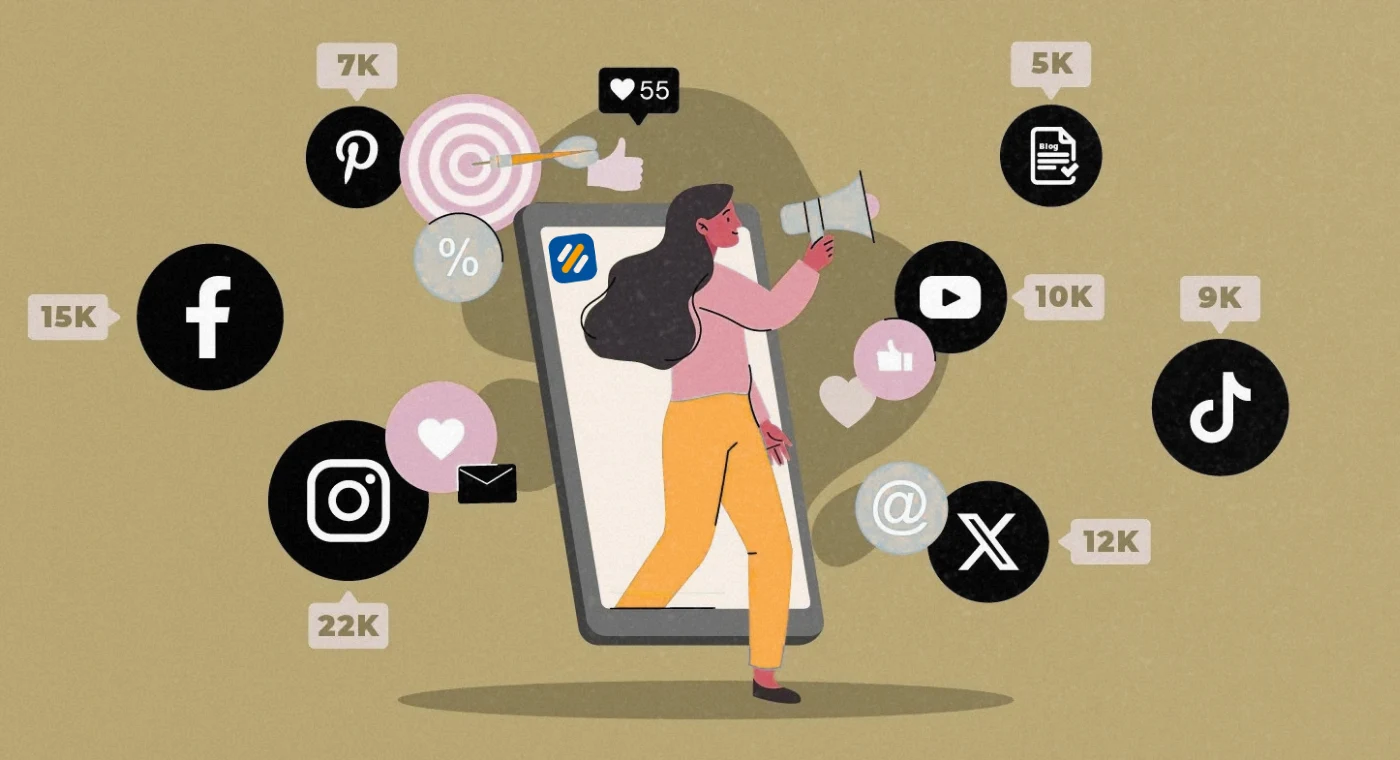
- There are four tiers of influencers: mega, macro, micro, and nano, each serving a different brand goal and budget
- Gen Z trusts influencers more than traditional advertising because influencer content feels personal, real, and community-driven
- You do not need a massive budget to start influencer marketing. Nano and micro influencers deliver some of the highest engagement rates at the lowest cost
1 What Is Influencer Marketing | The Definition That Actually Makes Sense
You have seen it happen a hundred times without thinking about it. A fitness creator on Instagram recommends a protein powder. A tech reviewer on YouTube says a laptop changed how they work. A travel blogger posts about a hotel and suddenly it is fully booked for months.
That is influencer marketing in action
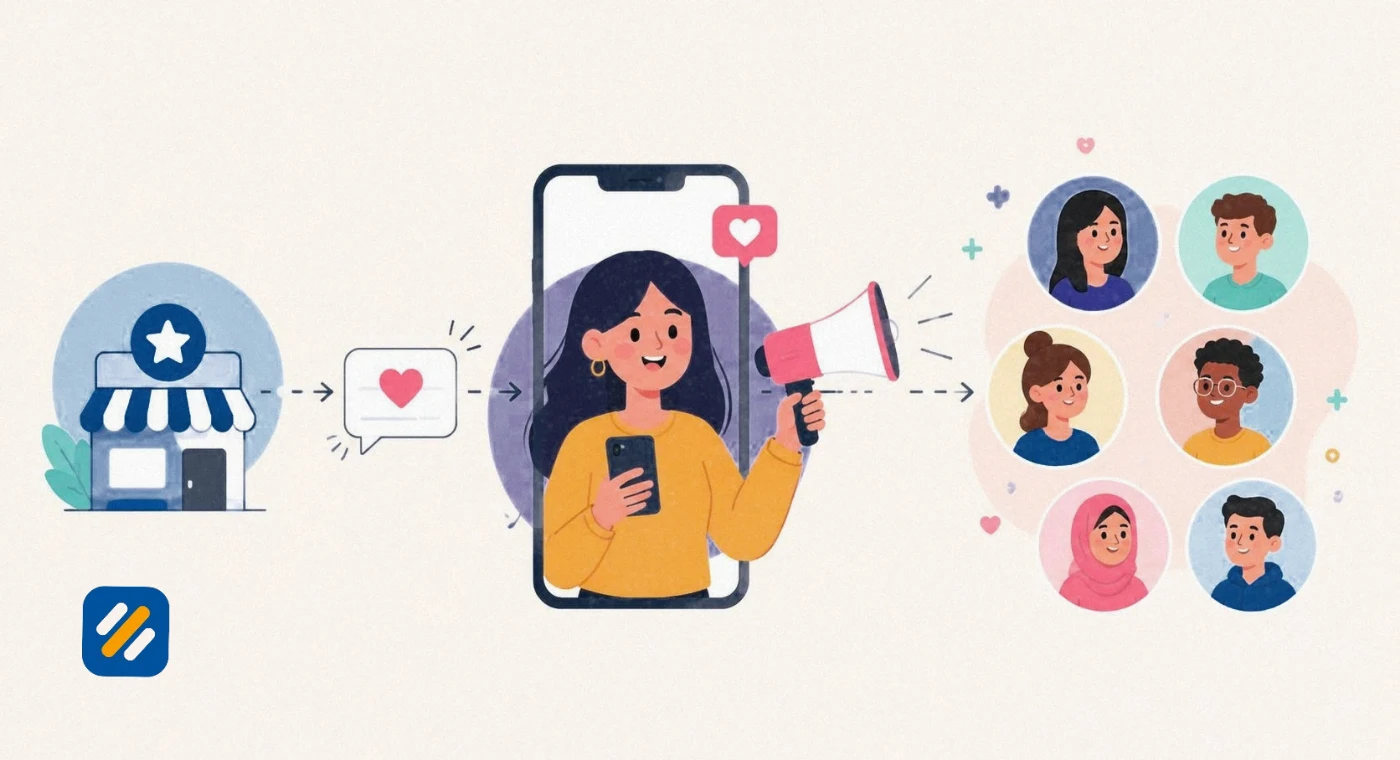
Influencer marketing is a digital marketing strategy where brands partner with individuals who have built a trusted, engaged audience on social media or content platforms. Instead of the brand speaking directly to consumers through traditional advertising, the influencer becomes the messenger. Their recommendation carries weight because their followers already trust their opinions.
The word "influencer" gets misused constantly. An influencer is not just someone with a lot of followers. An influencer is someone whose audience actively listens to them, engages with their content, and makes decisions based on their recommendations. A celebrity with five million passive followers can have less actual influence than a niche food blogger with forty thousand highly engaged readers who cook every recipe they post.
What makes influencer marketing fundamentally different from traditional advertising is the trust layer. Traditional ads are interruptions. Influencer content is something people choose to consume because they already follow and value that creator. That voluntary attention is worth far more to a brand than a banner ad someone immediately ignores.
2 How Does Influencer Marketing Work | The Mechanics Behind Every Campaign
Understanding how influencer marketing works in practice helps you see why it performs so differently from other digital advertising channels.
At its core, a brand identifies an influencer whose audience matches their target customer profile. They negotiate a partnership, agree on deliverables, and the influencer creates content featuring the brand's product or service. That content is published to the influencer's audience, which takes action in the form of clicks, purchases, sign-ups, or brand awareness.
Here is what makes it work so consistently
Social proof at scale. When someone you follow and trust recommends a product, the psychological barrier to purchase drops dramatically. This is the same reason you ask a friend for a restaurant recommendation rather than picking randomly from a search result. Influencer marketing replicates that trusted friend dynamic at scale.
Platform-native content. Influencer content looks like every other post in the feed. It does not feel like an interruption because it is designed in the same format the audience already consumes. A sponsored TikTok uses the same editing style, audio, and format as the creator's regular content. The brand message arrives inside content people actively chose to watch.
Niche audience targeting. A brand selling vegan skincare does not need to reach everyone. They need to reach people who care about clean beauty. Partnering with a vegan lifestyle creator on Instagram means every viewer of that post is already a warm prospect.
Measurable performance. Unlike traditional brand advertising, influencer campaigns can be tracked precisely through affiliate links, unique discount codes, UTM parameters, and platform analytics. Every click, conversion, and sale can be attributed back to a specific influencer and post.
3 Types of Influencers | Which One Is Right for Your Brand
One of the most important decisions in any influencer and organic marketing strategy is choosing the right tier of influencer. More followers does not automatically mean better results. The right influencer depends entirely on your goal, budget, and the kind of relationship their audience has with them.
| Influencer Type | Follower Range | Engagement Rate | Best For | Average Cost Per Post |
|---|---|---|---|---|
| Mega/Celebrity | 1 million+ | 1 to 3% | Mass brand awareness, product launches | $10,000 to $1 million+ |
| Macro | 100,000 to 1 million | 2 to 5% | Broad niche reach, credibility building | $1,000 to $10,000 |
| Micro | 10,000 to 100,000 | 5 to 10% | Targeted community, higher trust | $100 to $1,000 |
| Nano | 1,000 to 10,000 | 8 to 15% | Hyper-local, highest authenticity | $10 to $100 or gifting |
Mega influencers and celebrities are household names. Think athletes, musicians, and actors. They offer unmatched reach but their audiences are broad and their engagement rates are typically the lowest of all tiers. A mega influencer campaign makes sense for global brands running awareness campaigns where reach is the primary metric.
Macro influencers have built authority in a specific niche over years of consistent content creation. They offer a balance of reach and engagement and are often the preferred choice for brands that want significant visibility without the cost of a celebrity.
Micro influencers are where the real magic happens for most small and mid-size brands. Their audiences are highly targeted, their engagement rates are strong, and their followers trust their recommendations more personally. According to Influencer Marketing Hub, 44% of brands now prefer partnering with nano influencers over any other tier, precisely because of this authenticity advantage.
Nano influencers are the most affordable and often the most authentic option. They are everyday people with a passionate following in a very specific niche or community. For local businesses, DTC brands, or any company targeting a tight demographic, nano influencers can deliver outstanding ROI at minimal cost.
4 Influencer Marketing Examples | Real Campaigns That Prove It Works
Theory is useful. Real examples are better
Gymshark and fitness micro-influencers. Gymshark built its entire brand from zero to a billion-dollar valuation almost entirely through influencer marketing. Instead of spending on traditional advertising, they sent free products to fitness micro-influencers on Instagram and YouTube before the brand was widely known. Those influencers shared genuine reviews with their engaged fitness communities. The result was organic, authentic growth that no paid ad campaign could have manufactured.
Daniel Wellington and Instagram influencers. The watch brand Daniel Wellington built a $200 million business by partnering with thousands of micro and macro influencers on Instagram. They provided free watches in exchange for posts featuring a unique discount code. The strategy was simple, scalable, and completely measurable through code-tracked conversions.
HelloFresh and YouTube creators. HelloFresh became one of the most advertised brands on YouTube by partnering with creators across cooking, lifestyle, family, and even gaming channels. Their sponsorship segments felt native to each creator's style, which is why they worked. A gaming channel talking about easy weeknight meals reached an audience that actually needed that solution.
A local restaurant and a food nano influencer. You do not need a global budget to see influencer marketing work. A restaurant in any city can invite a local food blogger with five thousand followers for a complimentary meal in exchange for an honest review post. The cost is one meal. The result is authentic content reaching an engaged local audience that is actively looking for dining recommendations.
5 Why Do Gen Z Like Influencers More Than Traditional Celebrities
This is one of the most important questions any brand targeting a younger audience needs to understand deeply.
Gen Z, broadly defined as people born between 1997 and 2012, grew up entirely inside the internet. They have never known a world without social media, and they developed an extraordinarily sensitive filter for inauthenticity very early. Traditional advertising, polished celebrity endorsements, and corporate brand messaging all trigger that filter immediately.
Influencers bypass the filter because they feel like peers, not brands
When a 22-year-old on TikTok talks about a skincare product while showing their actual skin, with no professional lighting, no scripted copy, and genuine reactions, Gen Z sees someone like themselves. The recommendation feels like advice from a friend, not a paid advertisement.
Research from Morning Consult found that 52% of Gen Z says social media influencers are more relatable than traditional celebrities. That gap in relatability is where influencer marketing earns its value with younger audiences.
Three specific things that make influencers more compelling to Gen Z than traditional celebrities
Community over celebrity. Gen Z values belonging to a community more than admiring a distant celebrity. Influencers build communities. They reply to comments, go live with their audience, share their struggles, and create a two-way relationship that traditional celebrities rarely offer.
Transparency about sponsorships. Counterintuitively, Gen Z is not bothered by sponsored content when the influencer is transparent about it. What they cannot tolerate is a celebrity promoting a product they clearly do not use. An influencer who says "this brand paid for this post and here is my honest opinion" builds more trust than one who pretends the endorsement is entirely organic.
Platform-native content. Gen Z consumes content on TikTok, Instagram Reels, and YouTube Shorts natively. Influencer content is designed for exactly these platforms. It feels like the rest of their feed, not like an ad that interrupted it.
6 Do Influencers Make Money | The Real Numbers Behind the Industry
Yes. And in many cases, the earnings are substantial enough to be a full-time career. But the reality is more nuanced than the highlight reel suggests.
Here is how influencers actually make money across different income streams
| Income Stream | How It Works | Who It Works Best For |
|---|---|---|
| Sponsored posts | Brand pays per post, story, or video | All tiers, primary income for most |
| Affiliate marketing | Commission on sales driven by unique link or code | Micro and macro influencers with engaged buyers |
| YouTube AdSense | Revenue share from ads shown on videos | YouTube creators with 1,000+ subscribers |
| Product lines | Creator sells their own branded products | Established macro and mega influencers |
| Subscription platforms | Fans pay monthly for exclusive content | Creators with deeply loyal communities |
| Brand ambassadorships | Long-term partnership with one brand | All tiers, most stable income source |
| Speaking and events | Paid appearances, workshops, panel talks | Niche experts and thought leaders |
The income varies dramatically by follower count, niche, engagement rate, and platform.
A nano influencer with five thousand engaged followers might earn $50 to $200 per sponsored post or receive free products in exchange for content. A micro influencer with fifty thousand followers in a premium niche like personal finance or luxury travel can earn $500 to $2,000 per post. A macro influencer with five hundred thousand followers regularly commands $5,000 to $20,000 per sponsored piece of content.
At the top end, mega influencers and celebrities charge $100,000 to over a million dollars for a single post. Cristiano Ronaldo reportedly earns over $3 million per Instagram post.
The most financially successful influencers do not rely on a single income stream. They combine brand sponsorships with affiliate commissions, their own product lines, and platform revenue sharing to build income that compounds over time.
7 How to Become an Influencer Marketer | Two Career Paths Explained
There are two very different ways to enter influencer marketing as a career. Understanding the difference helps you choose the right path.
Path 1: Become an influencer yourself
This means building your own audience on a platform by creating consistent, valuable content in a niche you know deeply. Here is the honest reality of this path:
Building a real audience takes twelve to twenty-four months of consistent effort before most creators see meaningful income. The creators who succeed choose a niche they genuinely know and care about, post consistently enough for the platform algorithm to reward them, and focus on building a community rather than just chasing follower numbers.
The practical steps to start
Pick one platform and one niche. Trying to be everywhere about everything is the fastest path to nowhere. Choose the platform your target audience uses and the topic you know better than most people.
Post consistently for six months before judging the results. Most influencers who quit do so right before the compound growth phase begins. Platform algorithms reward consistency and penalise irregular posting.
Engage with your audience genuinely. Reply to comments, ask questions, and treat your early followers like founding members of something special. Those first hundred engaged followers are worth more to your long-term growth than a thousand passive ones.
Path 2: Become an influencer marketing specialist
This means working on the brand side or agency side, managing influencer campaigns, discovering creators, negotiating partnerships, and measuring performance. This is a genuine and growing marketing career with strong demand.
Skills needed for this path: social media platform knowledge, data analysis, negotiation and relationship management, content evaluation, and campaign reporting. Courses on platforms like Coursera and HubSpot Academy cover influencer marketing strategy at a practical level.
8 How to Build an Influencer Marketing Strategy That Actually Delivers Results
Running an influencer campaign without a strategy is how brands waste money and get disappointed. Here is the step by step process that works regardless of budget size.
Step 1: Define your goal before anything else. Are you trying to increase brand awareness, drive sales, grow your social following, or launch a new product? Your goal determines which tier of influencer to use, which platform to focus on, and how you measure success. A brand awareness campaign needs reach metrics. A sales campaign needs conversion data.
Step 2: Identify your target audience precisely. Write down exactly who your ideal customer is. Age range, location, interests, income level, what platforms they use daily. This profile is the filter you use to evaluate every potential influencer. If their audience does not match this profile, they are the wrong partner regardless of how impressive their follower count looks.
Step 3: Find influencers using platform tools and search. Search relevant hashtags on Instagram and TikTok to find creators who are already talking about topics related to your product. Use tools like Creator Marketplace on TikTok, Instagram's Creator Marketplace, or free platforms like Modash's free trial to identify creators by niche, follower count, and engagement rate.
Step 4: Vet every influencer before reaching out. Check their engagement rate relative to follower count. Look at comment quality, not just quantity. Scroll through recent posts to assess content quality, brand safety, and audience sentiment. An influencer with a one percent engagement rate on five hundred thousand followers is less valuable than a micro influencer with eight percent engagement on twenty thousand followers.
Step 5: Reach out with a personalised pitch. Generic outreach gets ignored. Reference specific content of theirs you genuinely found compelling. Explain why you think the partnership is a natural fit for their audience rather than just for your brand. Make the value exchange clear upfront.
Step 6: Brief the influencer properly but give them creative freedom. Your brief should cover campaign goals, key messages, required disclosures, timeline, and deliverables. What it should not do is script every word the influencer says. Their audience follows them for their authentic voice. Micro-managing the creative process produces content that feels scripted and performs poorly.
Step 7: Track, measure, and refine. Use unique discount codes, UTM-tagged links, and platform analytics to measure exactly what each influencer partnership delivered. After every campaign, document what worked, what did not, and what you would do differently. The brands that improve fastest are the ones that treat every campaign as a learning opportunity.
9 Influencer Marketing vs Traditional Advertising | Why the Shift Is Permanent
| Factor | Traditional Advertising | Influencer Marketing |
|---|---|---|
| Trust level | Low, consumers know it is an ad | High, recommendation comes from a trusted voice |
| Cost | High, especially TV and print | Flexible, scales from gifting to millions |
| Targeting | Broad, demographic-based | Precise, interest and community-based |
| Content lifespan | Disappears when campaign ends | Lives on in the creator's feed indefinitely |
| Authenticity | Low, clearly produced for selling | High, native to the platform and creator's voice |
| Measurability | Difficult, especially offline channels | Precise, trackable through codes and links |
| Gen Z effectiveness | Low, filtered out instinctively | High, feels like peer recommendation |
Traditional advertising is not dead. But its effectiveness with younger audiences is declining at exactly the same rate that influencer marketing is growing. Brands that built their marketing mix around TV spots and print ads are shifting budgets into creator partnerships because the data is unambiguous. Social media influencer marketing delivers higher engagement, better targeting, and more measurable ROI per dollar spent for most brand categories.
The shift is permanent because it follows consumer behaviour. People trust people. They have always trusted people. Influencer marketing is simply the modern channel through which peer trust at scale gets channelled into commercial outcomes.
10 3 Expert Tips for Better Influencer Marketing Results
Tip 1: Always prioritise engagement rate over follower count.
A creator with fifty thousand followers and an eight percent engagement rate will drive more actual results than one with five hundred thousand followers and a one percent rate. Divide total engagements by total followers and multiply by one hundred. Aim for above three percent at minimum and above five percent for micro and nano partnerships.
Tip 2: Build long-term partnerships instead of one-off posts.
A single sponsored post rarely builds the trust needed to drive meaningful purchase behaviour. Audiences need to see a creator recommend a product multiple times, in different contexts, before they act. Brands that build three to six month ambassador relationships with a smaller group of influencers consistently outperform brands that run one-off campaigns with hundreds of different creators.
Tip 3: Let the influencer tell the story in their own voice.
The number one mistake brands make in influencer marketing is sending a script. Influencer audiences are extraordinarily sensitive to content that does not sound like the creator they follow. Brief the influencer on what matters about your product, give them the key points you need covered, and then let them present it the way they naturally would to their community. Authentic storytelling beats polished brand messaging every single time.
11 Conclusion
Influencer marketing is no longer a trend or an experiment. It is a core channel in how brands of every size reach real audiences with genuine impact. The industry is growing because it works, and it works because it is built on the most powerful force in any purchasing decision: trust.
Whether you are a brand looking to run your first influencer campaign, a creator building an audience from scratch, or a marketer developing your specialist skills, the principles are the same. Find the right people. Build real relationships. Create content that actually helps the audience. Measure what matters and improve every time.
The brands winning at influencer marketing in 2026 are not the ones with the biggest budgets. They are the ones with the clearest strategy and the most genuine partnerships.
Have a question about influencer marketing or want me to cover a specific aspect in more detail? Drop a comment below and I will answer it personally.
Join 1,000+ business owners and bloggers who get one actionable SEO tip every week — straight to their inbox. Free forever.
Get Free Weekly Tips →