- What an SEO agreement actually is, and how it is different from a proposal
- The 8 things you must check before signing any SEO agreement
- Every clause a solid SEO agreement needs, explained in plain language
- How to set SEO goals and KPIs that protect both the agency and the client
- A free SEO agreement template outline you can copy and adapt today
- The red flags and mistakes that lead to disputes, refunds, and lawsuits
1 What Is an SEO Agreement
An SEO agreement is a legally binding contract between an SEO service provider and a client that defines the scope of work, the deliverables, the payment terms, the contract duration, and the rights and responsibilities of both sides for a search engine optimization engagement. It is the document that turns a verbal promise or a sales pitch into something enforceable.
Most people confuse an SEO agreement with an SEO proposal, and that confusion is exactly where disputes start. A proposal is a sales document. It sells the vision, the strategy, and the results the agency hopes to achieve. An SEO agreement is the working document. It is what actually gets read, and argued over, when something goes wrong six months into the relationship.
In the client work I have done over the years, I have seen more disputes come from a missing clause in the agreement than from actual poor SEO performance. A client who does not know what "on-page optimization" includes will assume it means something different from what the agency delivers, and without a written SEO agreement spelling it out, both sides end up right and both sides end up frustrated.
Simple example: A client hires an agency for "monthly SEO services" at $1,500 a month, expecting weekly blog posts, full technical fixes, and link building all included. The agency's actual scope covers only on-page optimization and one report a month. Neither side is lying. The agreement never defined the line, and that line is exactly what an SEO agreement exists to draw.
2 SEO Agreement vs SEO Proposal: What Is the Real Difference
Before you check anything else, understand this distinction, because most of the free templates floating around online blur the two together.
| Factor | SEO Proposal | SEO Agreement |
|---|---|---|
| Purpose | Wins the client, sells the strategy | Governs the actual working relationship |
| Legal weight | Not usually enforceable | Legally binding once signed |
| Tone | Persuasive, forward looking | Precise, defines rights and obligations |
| Contains | Strategy, case studies, pricing options | Scope, deliverables, KPIs, payment terms, legal clauses |
| Who reads it later | Rarely referenced again | Referenced during every dispute or renewal |
A proposal can promise the moon. An SEO agreement should never promise anything it cannot legally back up, which is exactly why the next sections matter so much.
3 Things to Check Before You Sign an SEO Agreement
Whether you are the client or the SEO service provider, here is the checklist I personally run through before any SEO agreement gets a signature.
- Is the scope of work written as deliverables, not vague activities? "We will improve your SEO" is not a deliverable. "One technical audit, 8 optimized pages per month, and one report" is.
- Does it avoid guaranteeing specific rankings or traffic numbers? No legitimate SEO agency and client relationship should include a ranking guarantee, since no provider controls Google's algorithm.
- Is the contract duration realistic for SEO's actual timeline? Search engine optimization services typically need four months to a year to show meaningful results, so a 30 day agreement with performance expectations attached is a setup for disappointment.
- Who owns the work once the SEO agreement ends? Content, backlinks, and technical changes should transfer to the client, usually on full payment, but this needs to be written, not assumed.
- What is the exit process? Look for the notice period, what happens to work in progress, and whether a kill fee applies if either side walks away early.
- Are KPIs tied to organic traffic and keyword rankings, or something vaguer? Vague success metrics are the single biggest source of "we're not seeing results" arguments six months in.
- Does it define what counts as a change request? Without this, scope creep quietly eats the agency's margin and the client's patience at the same time.
- Which state or country's law governs the agreement? This matters more than people think if either party is based somewhere else, or if a dispute ever needs to go to court or arbitration.
If an SEO agreement is missing more than two of these, it needs a rewrite before anyone signs it.
4 The Essential Clauses Every SEO Agreement Must Include
Based on how these engagements actually play out over months and years, here are the clauses I consider non-negotiable in any SEO agreement.
| Clause | What It Covers | Why It Matters |
|---|---|---|
| Scope of work | Exactly what is and is not included | Prevents scope creep and mismatched expectations |
| Deliverables | Countable items, such as audits, pages, reports | Turns vague promises into things you can verify |
| SEO goals and KPIs | Organic traffic, keyword rankings, conversions | Defines what "success" actually means |
| Contract duration | Start date, renewal terms, notice period | Sets realistic expectations for SEO's timeline |
| Payment terms | Fees, due dates, late payment consequences | Protects cash flow and avoids awkward conversations |
| Performance disclaimer | States that rankings cannot be guaranteed | Protects the provider from unrealistic legal claims |
| Intellectual property | Who owns content, strategy, and assets | Avoids fights over who keeps what after the contract ends |
| Confidentiality | Protects client data and provider strategy | Keeps sensitive analytics and business data private |
| Limitation of liability | Caps financial exposure if something goes wrong | Prevents one mistake from becoming a business ending lawsuit |
| Termination | How either side can exit, and what happens next | Gives both sides a clean, predictable way out |
| Dispute resolution | Mediation, arbitration, or court process | Avoids an expensive lawsuit becoming the only option |
| Governing law | Which jurisdiction's laws apply | Matters most when the agency and client are in different states or countries |
5 Scope of Work: Defining Your SEO Campaign Without Leaving Room for Scope Creep
Scope creep is the single most common reason SEO agreements fall apart, and it almost always starts with a scope section that describes activities instead of outputs.
A weak scope statement says something like "the provider will perform ongoing search engine optimization services to improve visibility." That sentence has no edges. A client can reasonably ask for anything and claim it falls under "improving visibility."
A strong scope statement for an SEO campaign lists exact tasks, counts, and exclusions.
For example: technical audit in month one, optimization of up to 15 existing pages per month, two new blog posts per month written by the provider, monthly reporting call, and a clear line stating that paid advertising, website redesign, and public relations are excluded unless agreed separately in writing.
Pro Tip: Add an "excluded services" line to your scope of work, not just an "included services" line. Listing what is NOT covered stops more disputes than any amount of detail on what is covered, because clients rarely think to ask about what wasn't mentioned.
6 SEO Goals, KPIs and Setting Realistic Client Expectations
Every SEO agreement needs a section dedicated to SEO goals and KPIs, separate from the scope of work, because these two things get confused constantly. Scope is what the provider does. KPIs are how you measure whether it worked.
Reasonable KPIs for most engagements include organic traffic growth against a defined baseline, movement on a specific set of target keyword rankings, growth in indexed pages, improvements in Core Web Vitals or technical health scores, and increases in organic leads or conversions where tracking allows it.
What should never appear as a guaranteed KPI is a specific ranking position, such as "rank number one for [keyword] within 90 days." Google's own Search Central documentation has repeatedly stated that meaningful SEO results typically take several months to a year to materialize, and no agency controls competitor activity or algorithm updates. An SEO agreement that guarantees a ranking is either written by someone who does not understand search, or it is a red flag worth walking away from.
Client expectations should be set in writing, in the agreement itself, not left to a verbal sales conversation that nobody remembers the same way six months later.
7 Contract Duration: Project Based vs Monthly SEO Retainer
Not every SEO agreement should look the same, and contract duration is where the two most common formats really diverge.
| Format | Typical Duration | Best For | Key Consideration |
|---|---|---|---|
| Project based agreement | Fixed, defined by scope (weeks to a few months) | Technical audits, site migrations, one time fixes | Deliverable and end date are fixed upfront |
| Monthly SEO retainer | Ongoing, usually 6 to 12 months with renewal | Content, link building, continuous optimization | Needs a clear notice period and renewal terms |
For a monthly SEO retainer, six to twelve months is the range most experienced providers recommend, because shorter terms rarely allow enough time to demonstrate real movement in organic traffic or keyword rankings. That said, a first engagement between a new agency and client is often safer as month to month with a 30 day notice period, giving both sides a real exit if the working relationship is not a fit, without either side being locked into a long contract duration based on a first impression.
8 Payment Terms, Late Fees and Work Suspension
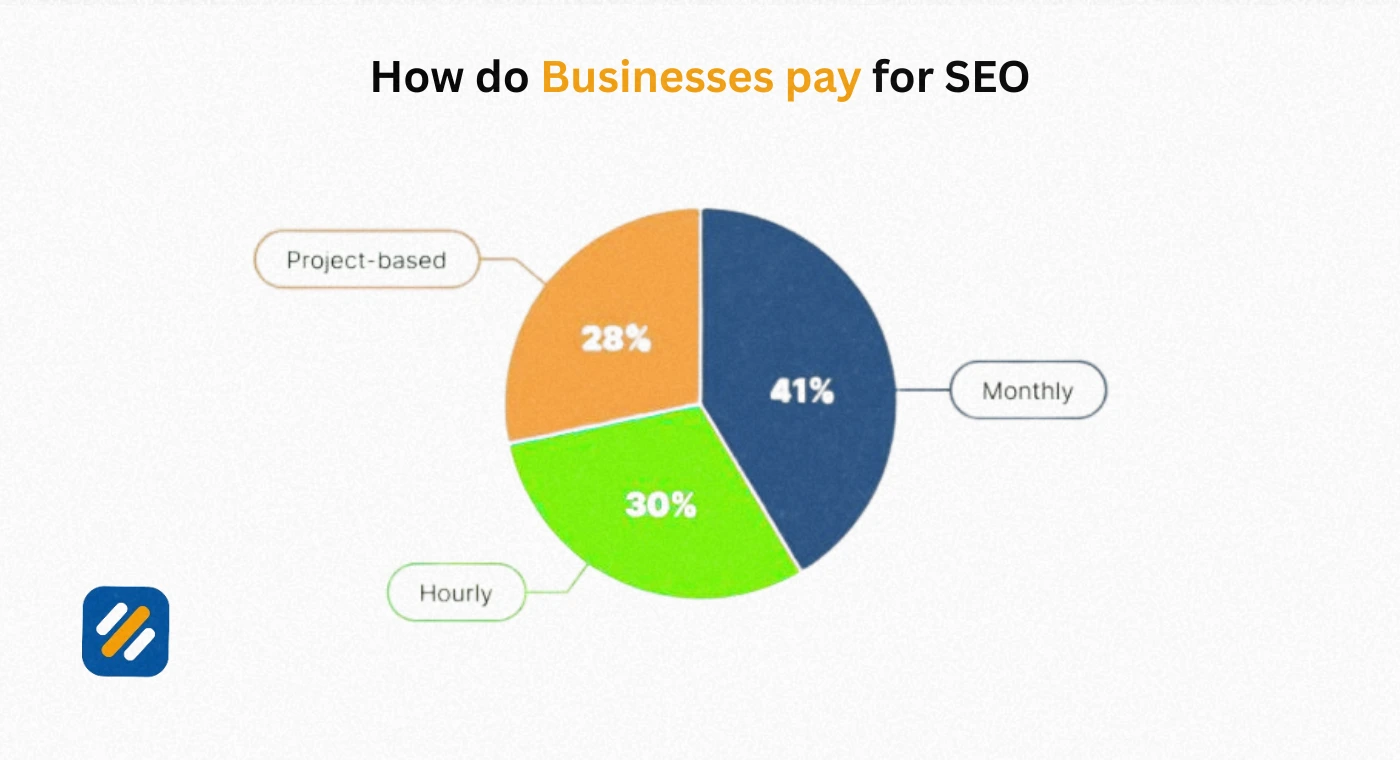
Payment terms sound simple until a client goes quiet for two months. A solid SEO agreement spells out the fee structure, whether it is a flat monthly SEO retainer, hourly billing, or milestone based payment tied to specific deliverables.
Beyond the number, include the due date, the accepted payment method, what happens if payment is late, and at what point the provider is entitled to pause work. A typical structure gives a five to ten day grace period, applies a late fee after that, and allows the provider to suspend all active work if payment is more than 15 to 30 days overdue. Without this written into the agreement, providers often keep working unpaid out of goodwill, which quietly damages the business relationship and the agency's cash flow at the same time.
9 Intellectual Property, Data Ownership and Confidentiality
Intellectual property questions come up constantly once an SEO agreement ends, and the answer needs to be settled before the relationship starts, not after.
The standard, fair approach is that content, on-page changes, and any custom assets created during the engagement transfer to the client once payment is received in full. Work still in progress, along with the provider's proprietary processes, internal tools, and general methodology, remains the property of the provider. This distinction protects the agency's ability to reuse its own systems across clients while still giving the client what they paid for.
Confidentiality works in both directions. The client's analytics data, customer information, and business strategy need protection, and so does the provider's keyword research process, reporting templates, and internal SEO campaign playbook. A mutual confidentiality clause inside the SEO agreement is usually cleaner than a separate non-disclosure agreement, since it keeps everything in one signed document.
10 Limitation of Liability, Dispute Resolution and Governing Law
These three clauses are the ones people skip reading and the ones that matter most on the worst day of the engagement.
Limitation of liability caps how much either party can be forced to pay if something goes wrong, commonly limited to the fees paid over a set period, such as the last three or six months. Without this, a single mistake, like a technical change that temporarily hurts rankings, could theoretically expose a provider to damages far beyond what they were ever paid.
Dispute resolution defines what happens before anyone goes to court. Many SEO agreements require an informal negotiation period first, followed by mediation, and only then arbitration or litigation as a last resort. This keeps small disagreements from escalating into expensive legal battles.
Governing law states which state or country's laws apply if a dispute does end up in front of a judge. This matters more than most people realize when the agency and client operate in different states or countries, since contract law and consumer protection rules genuinely differ by jurisdiction. The American Bar Association's small business guidance consistently recommends naming a specific governing law and venue in every service contract, precisely to avoid this becoming a fight of its own.
11 Common Red Flags and Mistakes That Lead to Disputes
After reviewing and negotiating a fair number of these agreements, the same handful of mistakes keep showing up.
A ranking guarantee anywhere in the document. This is the clearest sign the agreement was not written by someone who understands how search engines actually work.
No defined contract duration or renewal terms, leaving both sides unsure when the agreement actually ends or how it renews.
Deliverables written as effort, not output. "We will work on link building" is not the same as "we will secure 4 relevant referring domains per month."
No change order process, which is exactly how scope creep quietly takes over a fixed fee engagement.
Silence on tool and account ownership. If the agency sets up Google Analytics, Search Console, or a rank tracking tool under their own login, the client can lose access entirely when the relationship ends unless the agreement states otherwise.
No termination or notice clause, meaning either side is stuck negotiating an exit from scratch instead of following a process both parties already agreed to.
12 Free SEO Agreement Template You Can Copy
Here is a practical outline you can adapt into your own SEO agreement. It is not a substitute for a lawyer reviewing your final version, but it covers every section a solid agreement needs.
Parties and effective date: Full legal names of the SEO service provider and the client, and the date the agreement takes effect.
Scope of work: Specific SEO campaign tasks included, and a clear list of what is excluded.
Deliverables and timeline: Countable outputs and the SEO project timeline for each phase.
SEO goals and KPIs: Metrics used to measure organic traffic, keyword rankings, and other agreed indicators.
Performance disclaimer: A plain statement that no specific ranking or traffic result is guaranteed.
Contract duration and renewal: Start date, end date or renewal terms, and notice period required to cancel.
Fees and payment terms: Monthly SEO retainer or project fee, due dates, late fee, and grounds for suspending work.
Change order process: How additional requests outside the original scope get quoted and approved.
Intellectual property and asset ownership: Who owns content, accounts, and tools, and when ownership transfers.
Confidentiality: Mutual protection of business, client, and strategy information.
Limitation of liability: A cap on financial exposure for either party.
Termination: Exit process, notice period, and handling of work in progress.
Dispute resolution: Negotiation, mediation, and arbitration steps before litigation.
Governing law: The state or country whose law governs the agreement.
Signatures: Authorized signatories for both the agency and the client, with the signing date.
13 Trusted Tools and Resources for Drafting an SEO Agreement
You do not need to draft an SEO agreement from a blank page, and you should not rely on guesswork for the legal sections. These are worth bookmarking.
| Resource | What It Helps With | Link |
|---|---|---|
| Google Search Central | Official guidance on how long SEO takes and how ranking actually works | developers.google.com/search |
| Cornell Law School, Legal Information Institute | Plain language definitions of contract terms like governing law and indemnification | law.cornell.edu |
| American Bar Association, Small Business Resources | General guidance on service contract structure and enforceability | americanbar.org |
| World Intellectual Property Organization (WIPO) | Background on intellectual property ownership basics for service agreements | wipo.int |
| Federal Trade Commission, Business Guidance | Rules on advertising claims and performance promises relevant to marketing services | ftc.gov |
14 3 Expert Tips Before You Sign Your Next SEO Agreement
Tip 1: Read the termination clause before you read the pricing. Everyone reads the fee and the scope carefully. Almost nobody reads the exit terms with the same attention, and that is exactly the section you will need on the worst day of the relationship. If the notice period, the kill fee, and the handling of work in progress are not crystal clear, negotiate that before anything else.
Tip 2: Ask for a sample report before signing. Any legitimate SEO service provider should be able to show a real, anonymized example of the monthly report a client will actually receive. If the agency cannot produce one, the reporting clause in the agreement is likely vaguer than it should be.
Tip 3: Put the change order process in writing, even for a friendly client. The best client relationships are exactly where scope creep happens fastest, because nobody wants to bring up money with someone they like. A written change order process protects the relationship precisely because it takes that awkward conversation out of the moment and puts it into a process both sides already agreed to.
15 Conclusion
An SEO agreement is not paperwork you rush through to get to the actual work. It is the document that decides how disagreements get resolved, who owns what when the relationship ends, and whether either side has any real protection if things go wrong. The agencies and clients who treat this seriously spend less time in disputes and more time actually doing search engine optimization services.
You do not need a 20 page legal document to get this right. You need a scope that reads as deliverables, KPIs tied to organic traffic and keyword rankings instead of guarantees, a contract duration that matches how SEO actually works, and the handful of legal clauses covered in this guide. Copy the template outline above, take it to a lawyer for a final review specific to your state or country, and use it as the base for every SEO agreement going forward.
Have a specific clause you're unsure about in your own SEO agreement? Drop a comment below and I will answer it personally.
Join 1,000+ business owners and bloggers who get one actionable SEO tip every week — straight to their inbox. Free forever.
Get Free Weekly Tips →