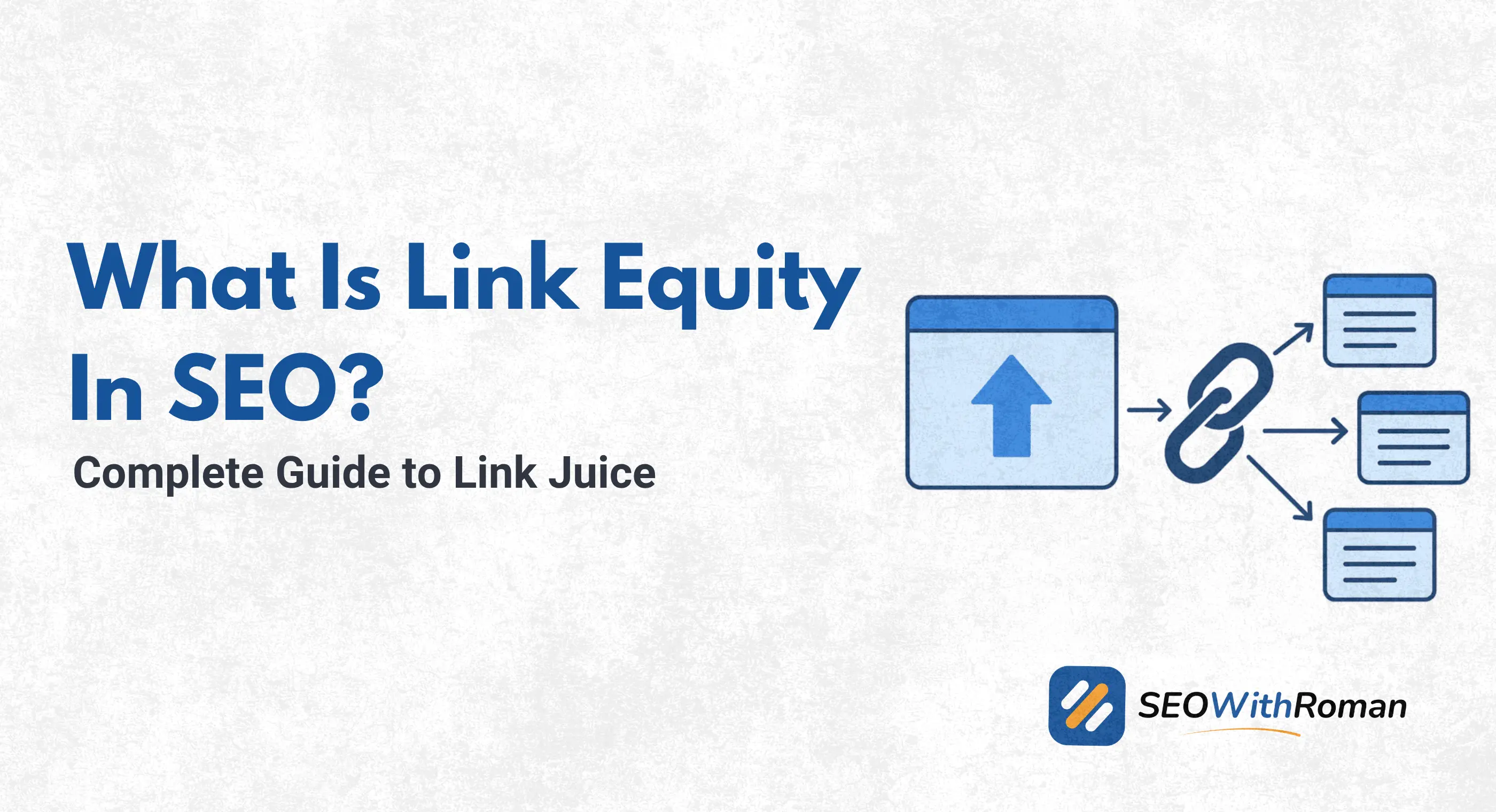
- Link equity is the SEO value and authority that passes from one webpage to another through a hyperlink
- Not all backlinks pass equal link equity. Authority, relevance, placement, and link type all determine how much flows
- Nofollow links pass zero link equity while dofollow links pass varying amounts depending on the linking page's authority
- Internal linking is one of the most underused ways to distribute link equity across your own website
- A single high quality backlink from an authoritative domain can move rankings more than fifty low quality links combined
1 What Is Link Equity and Why Every SEO Beginner Needs to Understand It
If you have ever wondered why two websites with similar content consistently rank differently on Google, link equity is usually a big part of the answer.
Link equity, also commonly called link juice in SEO, is the value and authority that passes from one webpage to another through a hyperlink. When a website links to your page, it is not just sending you traffic. It is transferring a portion of its own credibility and authority to your page, which Google then uses as a signal when deciding how trustworthy and rankable your content is.
Think of it this way. Every webpage on the internet has a reservoir of authority built up through its own backlinks, content quality, and domain history. When that page links to another page, it shares some of that reservoir. The more authoritative the source, the larger the share it passes.
I first understood the real power of link equity when a single backlink from an industry publication moved a client's page from position 14 to position 4 in eleven days. No content changes. No technical fixes. Just one high equity backlink from a trusted domain. That result is only possible when you understand how link equity flows and why some links are worth a hundred times more than others.
2 Link Equity vs Link Juice | Are They the Same Thing
Yes, completely. Link juice is simply the informal term SEO professionals use for link equity. Both phrases describe the same concept: the SEO authority that transfers from a linking page to a linked page.
The term "link juice" became popular in early SEO communities because it describes the concept visually. Imagine authority as liquid. A high authority page has a full tank. When it links to another page, some of that liquid flows through the link to the destination page. The more full the tank and the fewer links on the page, the more juice each individual link carries.
Google's official terminology is link equity, which is why that phrase appears in more technical SEO documentation. But if you are reading any SEO blog or listening to any podcast and someone mentions link juice, they are talking about exactly the same thing.
For the rest of this article the two terms are interchangeable.
3 The 8 Factors That Determine How Much Link Equity a Backlink Passes
This is where most link equity guides fall short. They tell you that authority matters but they do not explain all the variables that control how much equity actually transfers. Here is the complete picture:
| Factor | How It Affects Link Equity | What to Do About It |
|---|---|---|
| Domain authority of linking site | Higher authority sites pass significantly more equity | Target backlinks from sites with Domain Rating above 40 |
| Page authority of linking page | The specific page's authority matters as much as the domain | Check the page's own backlinks, not just the domain |
| Follow vs nofollow attribute | Dofollow passes equity, nofollow passes zero | Prioritise dofollow backlinks in outreach |
| Link placement on the page | Links in body content pass more equity than footer or sidebar links | Aim for contextual in-content links |
| Number of outbound links on the page | Equity is divided among all links on the page | Prefer pages that link to fewer external sites |
| Topical relevance | Links from relevant sites in your niche pass more equity | Build links from industry-relevant websites |
| Anchor text used | Relevant anchor text increases the context and equity value | Use natural keyword-relevant anchor text |
| Link freshness | Links from recently active, regularly crawled pages pass more equity | Monitor whether linking pages are still indexed and active |
Understanding all eight factors together is what separates a strategic link building campaign from random backlink collection. Every factor compounds. A dofollow link from a high authority page in your niche with a relevant anchor text placed in the body content of an article with few outbound links is the closest thing to a perfect backlink in terms of link equity.
4 How Link Equity Flows Through Your Website: Internal vs External
Most beginners think of link equity purely in terms of backlinks from other websites. This is half the picture. Link equity also flows internally through your own website, and ignoring this is one of the most common and costly SEO mistakes I see on small business websites.
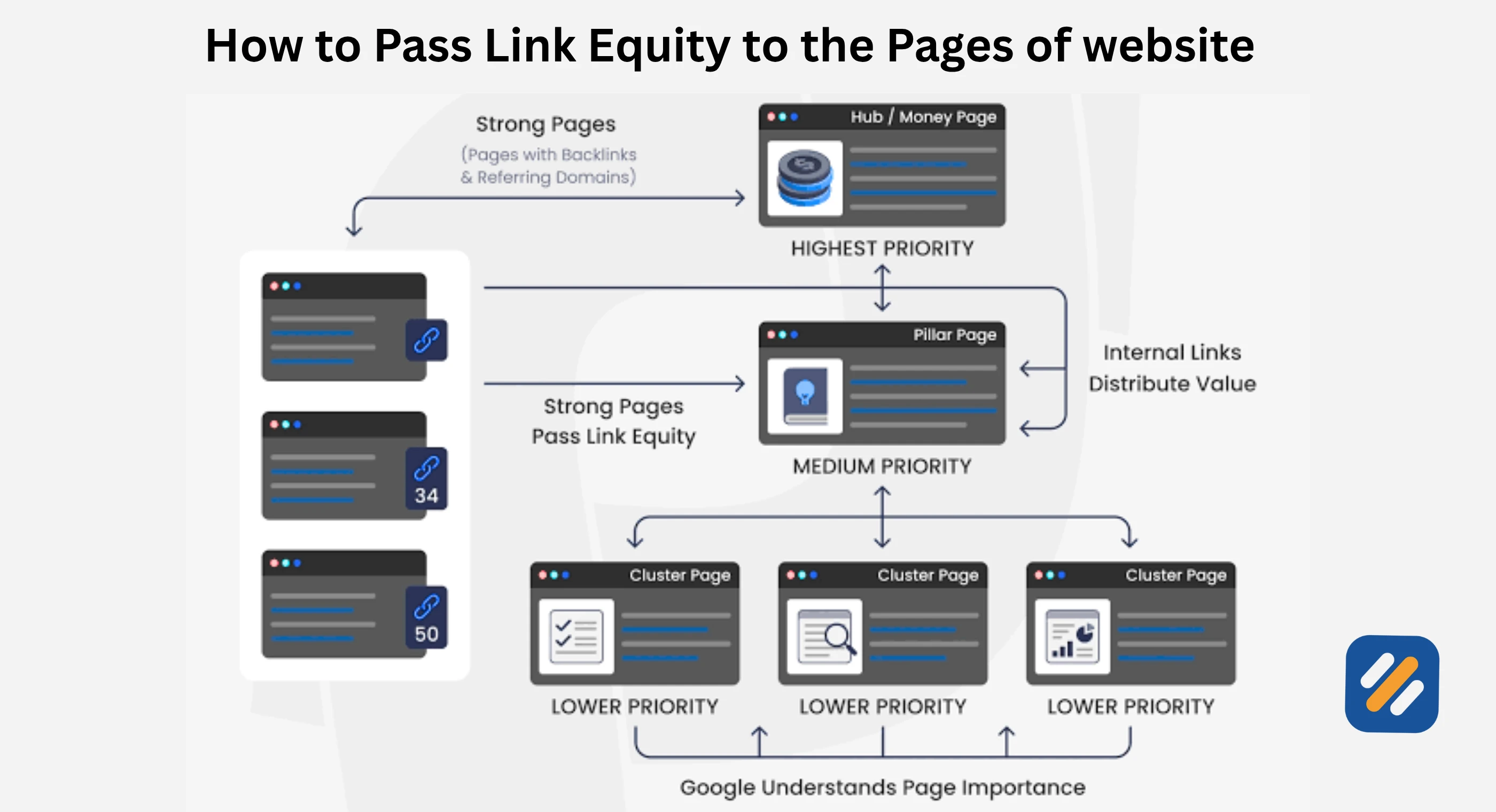
External link equity enters your website when another site links to one of your pages. That page receives a direct equity boost. But what happens to that equity after it arrives? If the page it landed on has no internal links pointing to other pages on your site, the equity stops there. It does not automatically spread to your other pages.
Internal link equity is how you distribute that authority across your website intentionally. When a high-authority page on your site links to another page on the same site, it passes a portion of its accumulated equity to that page. This is exactly why your most linked-to pages should contain strong internal links pointing to the pages you most want to rank.
Here is a real example of how this works in practice. Imagine your homepage has strong backlinks from three authoritative websites. Your homepage has high link equity. If your homepage links to your keyword research article, that article receives some of the homepage's equity. If the keyword research article then links to your on-page SEO article, that article also receives equity. The flow continues through every internal link in the chain.
This is why a strong internal linking strategy is not optional. It is the mechanism that turns a few powerful backlinks into site-wide ranking improvements.
5 Dofollow vs Nofollow Links | The Link Equity Switch That Changes Everything
Every link on the internet is either a dofollow link or a nofollow link. This single attribute determines whether any link equity passes at all.
Dofollow links are the default. When you link to another page without any special attribute, the link is dofollow. Google follows these links, crawls the destination page, and passes link equity from the source to the destination. These are the links that directly influence rankings.
Nofollow links contain a rel="nofollow" attribute in the HTML. This tells Google not to follow the link or pass any equity to the destination. Nofollow links were introduced in 2005 to combat comment spam and have since been adopted by most major publishers including Forbes, HuffPost, and Wikipedia for their external links.
In 2019 Google introduced two additional link attributes:
rel="sponsored" for paid links and advertisements, which tells Google the link is commercial and should not pass equity.
rel="ugc" for user-generated content like forum posts and blog comments, signalling that Google should evaluate these links differently.
| Link Type | Passes Link Equity | When You Will Encounter It |
|---|---|---|
| Dofollow | Yes, full equity transfer | Default links, editorial links, guest posts |
| Nofollow | No equity transfer | Most major news sites, Wikipedia, blog comments |
| Sponsored | No equity transfer | Paid placements, affiliate links, ads |
| UGC | No equity transfer | Forum posts, comment sections, community sites |
A nofollow link from a major publication still has value. It drives referral traffic, builds brand visibility, and contributes to a natural-looking backlink profile. But for direct ranking impact through link equity, dofollow links are what you are building a strategy around.
6 How to Build High Equity Backlinks | The Methods That Actually Work
Building links is one thing. Building links that pass significant link equity is a different discipline entirely. Here are the approaches that consistently produce high equity backlinks:
Guest posting on authoritative websites: Writing a guest article for a relevant website in your niche earns you a contextual dofollow link placed inside body content on an active, indexed page. This is the most reliable method for earning high equity editorial links. The key is targeting websites with genuine organic traffic and a Domain Rating above 40, not just any site that accepts guest posts.
Creating linkable assets: Original research, comprehensive guides, free tools, and unique data sets naturally attract backlinks because other websites reference them when writing their own content. A single piece of original research can earn dozens of high equity links over months and years without any outreach at all.
Broken link building: Find pages in your niche that link to dead resources on other websites. Reach out to the page owner, point out the broken link, and suggest your own relevant content as a replacement. This works because you are solving a problem for the website owner rather than simply asking for a favour.
Digital PR and expert commentary: Journalists and bloggers regularly need expert quotes and data for their articles. Getting quoted as an expert in your field earns mentions and links from publications that rarely accept traditional outreach. Tools like HARO connect experts with journalists actively seeking sources.
7 Link Equity Killers: What Destroys the Value of Your Backlinks
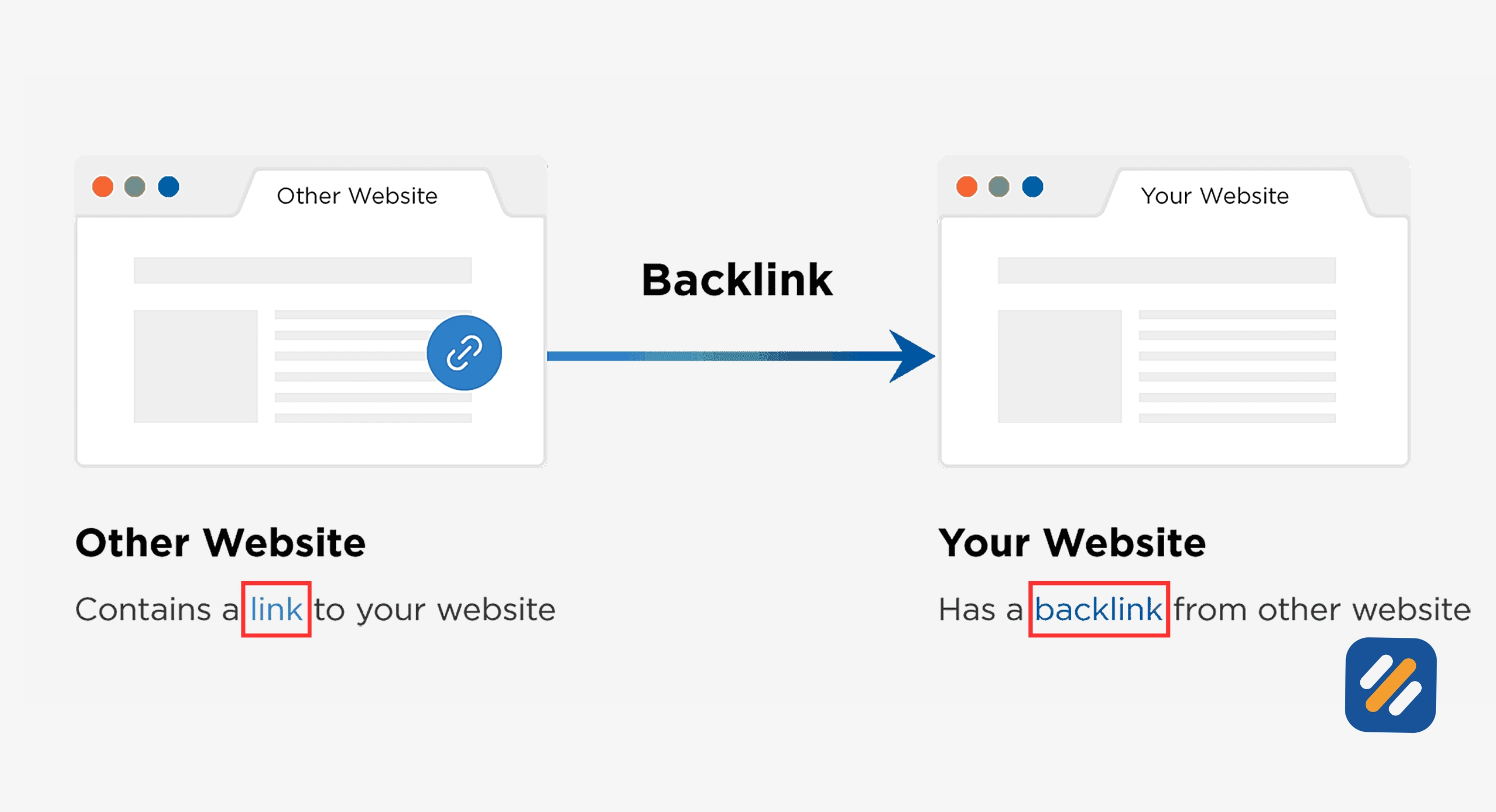
Earning a backlink is only the first step. Several things can reduce or eliminate the link equity that backlink was supposed to pass to your page.
The linking page gets deindexed: If Google removes the page linking to you from its index, that page can no longer pass any link equity. This happens when pages are penalised, blocked by robots.txt, or go behind a login wall. Monitor your backlink profile regularly to check whether linking pages remain indexed.
The link moves to a nofollow attribute: Publishers sometimes update their linking policies and retroactively add nofollow attributes to older external links. A dofollow link you earned last year may have quietly become nofollow without you knowing.
Your linked page returns a 404 error: As discussed in our 404 error guide, a backlink pointing to a dead page passes zero equity. If you delete or move a page that has backlinks, set up a 301 redirect immediately to preserve that equity.
The linking page becomes overloaded with outbound links: If a page that previously linked only to a handful of external sites starts linking to fifty external sites, the equity each individual link passes decreases significantly. Your link dilutes as more links are added to the same page.
The linking domain gets penalised: If a website linking to you receives a Google manual penalty for spam or black hat tactics, the links from that domain can become harmful rather than helpful. This is why auditing your backlink profile regularly and disavowing toxic links matters.
8 How to Check and Protect Your Link Equity for Free
You cannot see link equity as a number. No tool shows you an exact equity score for any given link. But you can measure the health and potential of your link equity using these free methods:
Ahrefs Free Webmaster Tools shows you all backlinks pointing to your website, including which are dofollow versus nofollow, the Domain Rating of each linking domain, and which of your pages have the most accumulated authority. This is the most useful free tool for understanding your current link equity position.
Google Search Console shows you which external sites are linking to your pages and which pages on your site receive the most external links. Cross-referencing this with your rankings data shows you which pages are benefiting most from their accumulated link equity.
Internal link audit in Screaming Frog free version reveals how your internal link structure is distributing equity across your site. Pages with no internal links pointing to them are receiving no internal equity, regardless of how many external backlinks your site has earned overall.
9 3 Expert Tips to Maximise Your Link Equity
Tip 1: Point Internal Links From Your Strongest Pages to Your Pages That Need Ranking Boosts
Identify your pages with the most external backlinks using Ahrefs or Google Search Console. These are your highest equity pages. Add internal links from these pages to the articles you most want to rank. You are essentially redirecting already-earned authority to where it is needed most, with zero outreach required.
Tip 2: Redirect 404 Pages With Backlinks Before You Lose the Equity Permanently
Every month, audit your backlink profile for links pointing to 404 pages on your site. Set up 301 redirects from these dead URLs to the most relevant live page immediately. A 301 redirect preserves approximately 90 to 99 percent of the original link's equity. Leaving these unfixed means accumulated authority is draining away silently every single day.
Tip 3: Prioritise Fewer High Quality Links Over Large Numbers of Low Quality Ones
One dofollow contextual link from a website with a Domain Rating of 60 and genuine organic traffic will do more for your rankings than fifty links from low authority directories or irrelevant blogs. Shift your outreach effort toward earning ten exceptional links per quarter rather than collecting a hundred mediocre ones.
10 Conclusion
Link equity is not a mystery. It is a logical system that rewards websites earning genuine endorsements from authoritative, relevant sources and distributing that authority intelligently across their own pages.
The websites winning in competitive search results are not the ones with the most backlinks. They are the ones with the most high equity backlinks pointing to well-optimised pages, connected by a strong internal linking structure that ensures every drop of earned authority reaches the pages that need it most.
Start by auditing your existing backlinks in Ahrefs free Webmaster Tools. Identify your strongest pages. Build internal links from those pages to your priority articles. Then begin a focused outreach campaign targeting dofollow links from authoritative websites in your niche.
Do that consistently over twelve months and link equity will become one of your website's most powerful competitive advantages.
Have a question about link equity or how to build better backlinks? Drop a comment below and I will answer it personally.
Join 1,000+ business owners and bloggers who get one actionable SEO tip every week — straight to their inbox. Free forever.
Get Free Weekly Tips →