- Not all backlinks are equal. Dofollow backlinks pass SEO authority while nofollow, UGC, and sponsored links do not
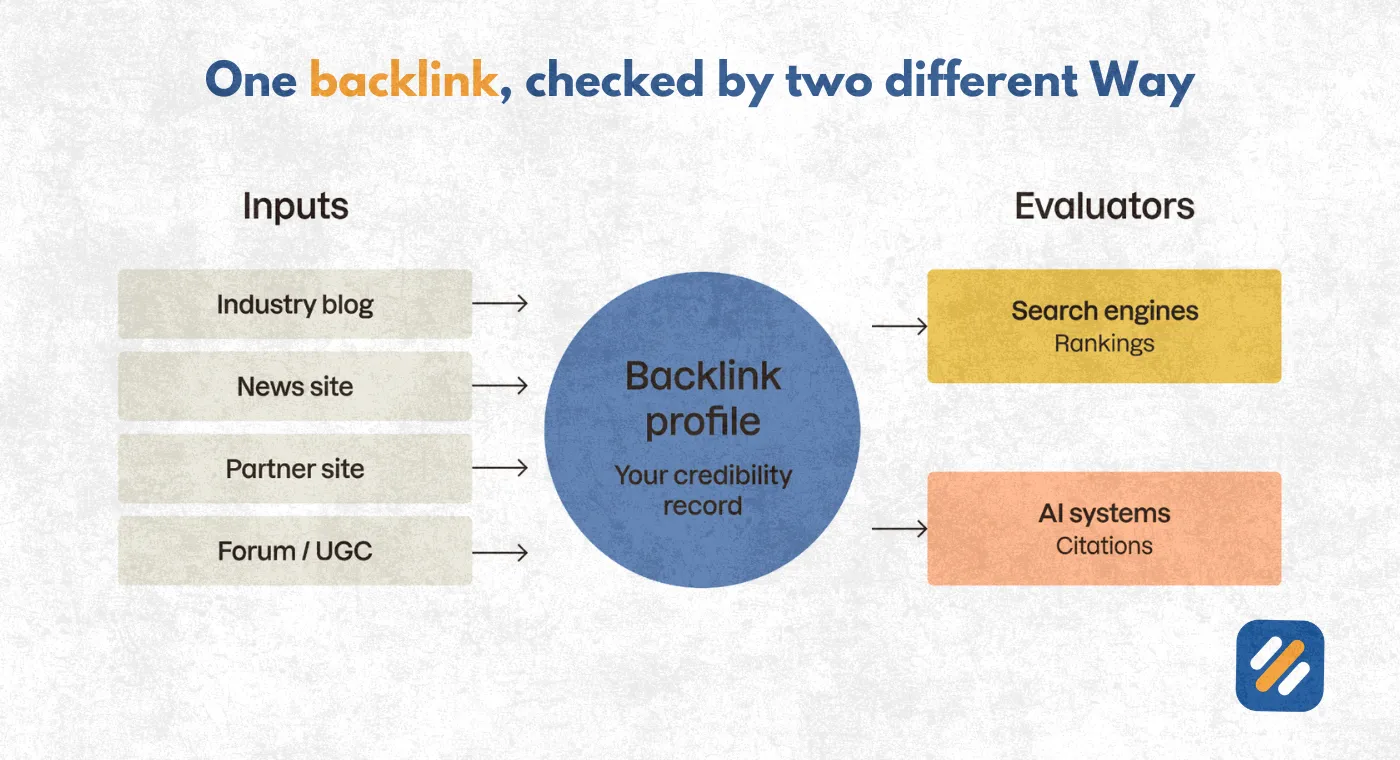
- A single high authority backlink from a trusted referring domain outweighs hundreds of low quality links
- Anchor text distribution is one of the most overlooked backlink factors that directly impacts how Google values your link profile
- Guest posting, link insertion, business listings, and editorial links are the four most reliable white hat backlink sources
- Paid dofollow backlinks and spammy profile links are the two fastest ways to trigger a Google penalty and lose your rankings overnight
1 What Are Backlinks and Why Do They Still Matter
If you have been doing SEO for any length of time, you have heard that backlinks are one of Google's most important ranking signals. But most beginners do not fully understand why Google cares about them so deeply or how dramatically the quality of a backlink affects its impact.
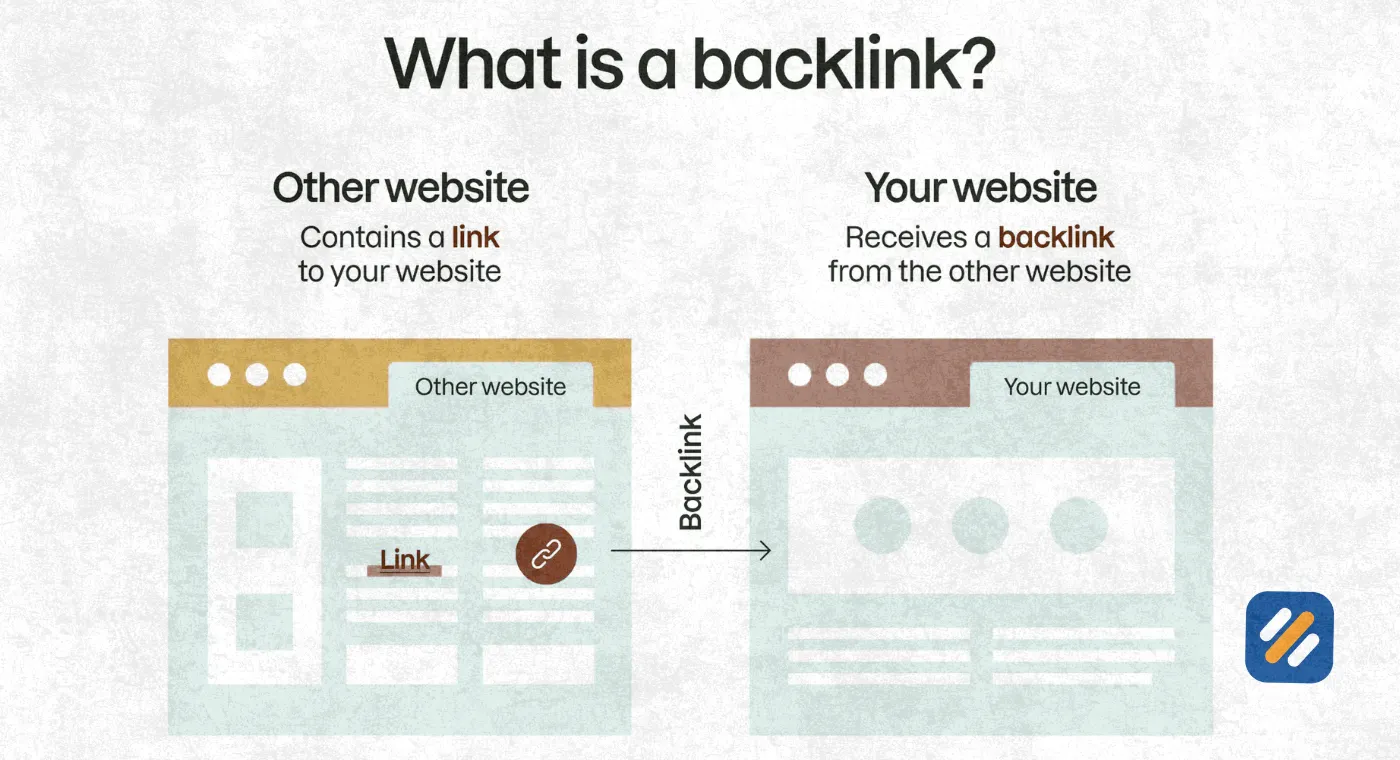
A backlink is simply a link from one website to another. When Website A links to a page on your website, you have earned a backlink from Website A. Google interprets that link as a vote of confidence, a signal that your content is credible and worth recommending to searchers.
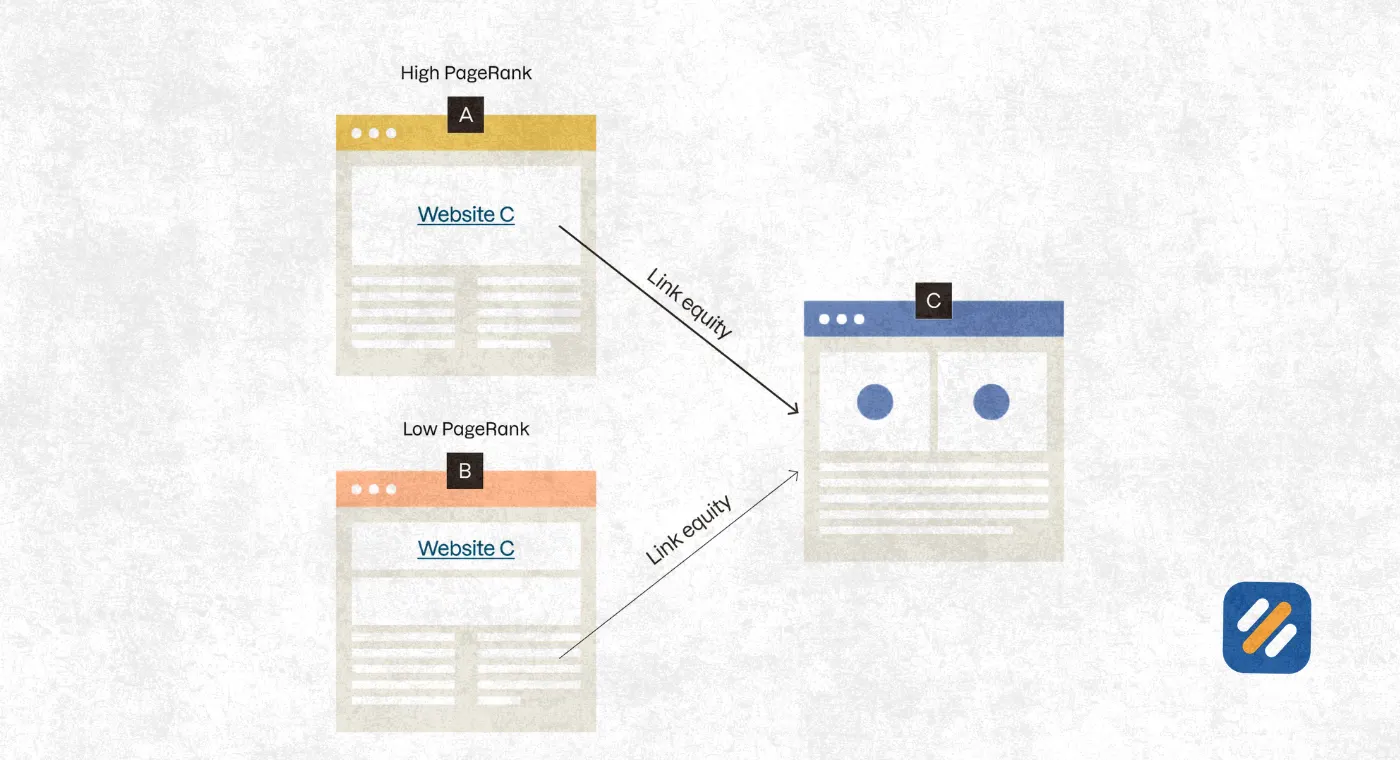
The logic behind this dates back to Google's original PageRank algorithm, which was built on the idea that the most trustworthy and useful pages on the internet would naturally attract the most links from other reputable sources. That foundational principle still drives Google's ranking system in 2026, even with all the AI and machine learning layered on top.
In many years of doing SEO across B2b, SaaS, healthcare, and ecommerce clients, I have never worked on a website that achieved strong, sustainable rankings without a healthy backlink profile. Content quality gets you into the game. Backlinks determine whether you win it.
But here is the critical thing most beginner guides skip over entirely. Not all backlinks help you. Some do nothing. Some actively destroy your rankings. Understanding the difference between every type of backlink and knowing which ones to pursue and which ones to avoid is the foundation of any successful off-page SEO strategy.
2 Dofollow vs Nofollow Backlinks | The Most Important Distinction in All of Link Building
Before diving into specific backlink types, you need to understand the single most important distinction in all of link building. The difference between a dofollow and a nofollow backlink.
What Is a Dofollow Backlink:
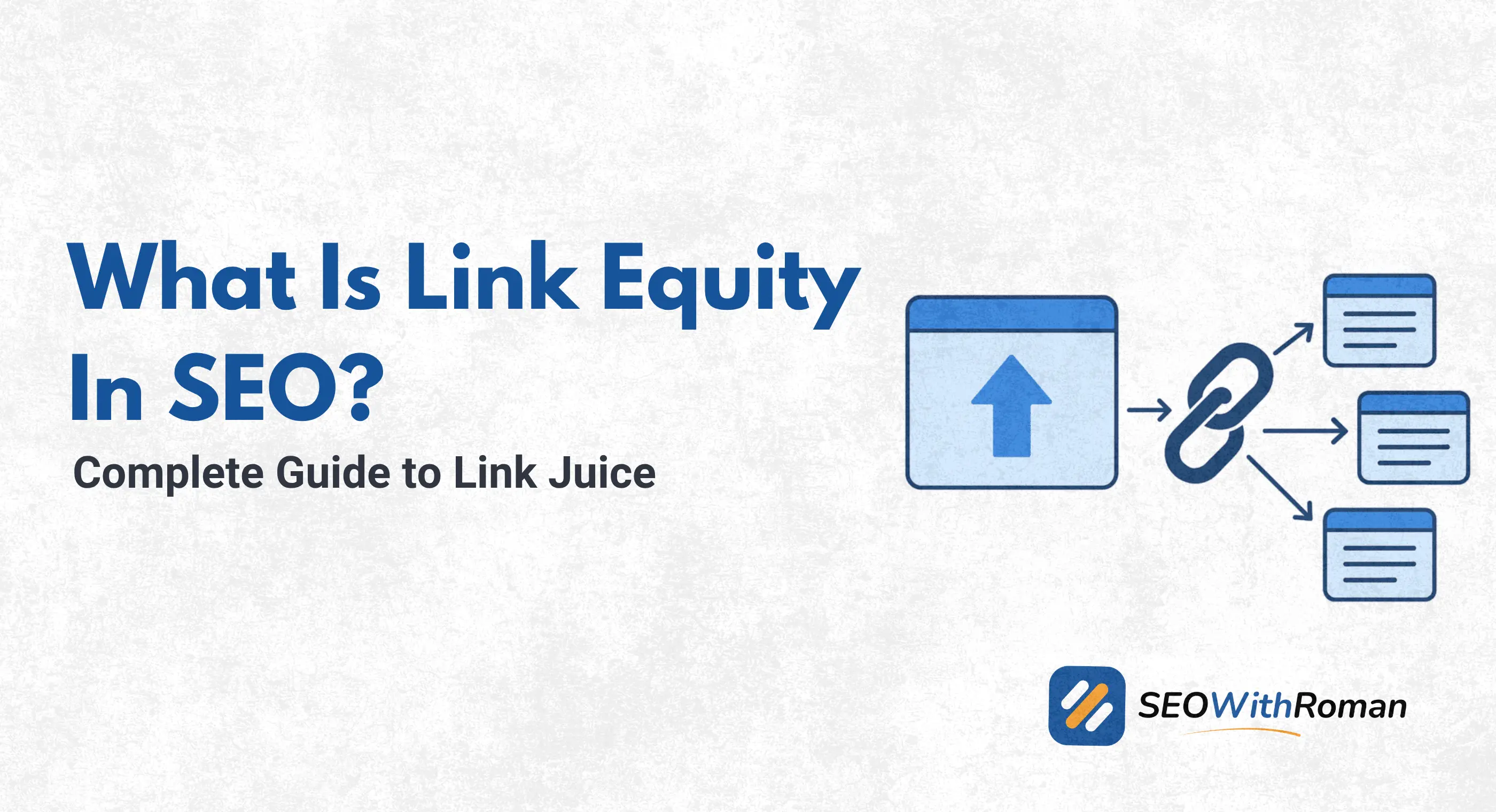
A dofollow backlink is the default state of any hyperlink on the internet. When a website links to you without adding any special HTML attribute to the link, it is a dofollow link. This means Google's crawlers follow the link, visit your page, and pass what SEO professionals call link equity or link juice from the linking page to yours.
In HTML code a dofollow link looks like this:
a href="https://seowithroman.com/" Visit SEO With Roman /a
No special attribute. Just a clean link. Google follows it. Your domain authority benefits from it.
What Is a Nofollow Backlink:
A nofollow backlink contains the rel="nofollow" attribute in its HTML code. This attribute tells Google's crawlers not to follow the link and not to pass link equity to the destination page.
In HTML code a nofollow link looks like this:
a href="https://seowithroman.com/" rel="nofollow" Visit SEO With Roman /a
Nofollow links were introduced by Google in 2005 specifically to combat comment spam. Website owners could now allow user-generated links without endorsing the linked content.
Do Nofollow Links Have Any SEO Value
Yes, but indirectly. Nofollow links do not pass direct ranking authority. However they can still drive real referral traffic to your website. A nofollow link from a high traffic publication like Forbes or The Guardian can send thousands of visitors to your site even if it does not improve your domain authority score.
Google also updated its nofollow policy in 2019, reclassifying it as a hint rather than a directive. This means Google may choose to count some nofollow links as partial signals at its own discretion.
| Link Type | Passes Link Equity | Google Follows | HTML Attribute | Best Use Case |
|---|---|---|---|---|
| Dofollow | Yes, fully | Yes | None, default | Editorial mentions, guest posts, link insertion |
| Nofollow | No direct equity | No | rel="nofollow" | Paid links, untrusted sources, competitor mentions |
| Sponsored | No | No | rel="sponsored" | Affiliate links, paid placements |
| UGC | No | No | rel="ugc" | Blog comments, forum posts |
3 What Is a Referring Domain and Why It Matters More Than Raw Backlink Count
One of the most misunderstood concepts in backlink analysis is the difference between the number of backlinks and the number of referring domains.
A referring domain is any unique website that has linked to your site at least once. One website can give you ten links, but that still counts as one referring domain.
Here is why this distinction matters enormously. Google places significantly more weight on backlinks coming from a wide diversity of unique referring domains than on multiple links from the same single source. Ten links from the same website are far less valuable than one link each from ten different trusted websites.
Think of it like professional references on a job application. Ten glowing references from the same person carry less weight than ten independent references from ten different respected professionals who all separately vouch for you.
When I do backlink analysis for new clients, the referring domain count is always the first metric I check. A website with 500 backlinks from 20 referring domains has a much weaker link profile than a website with 200 backlinks from 150 referring domains.
What Makes a Referring Domain High Quality
Not all referring domains are equal. Here is what separates a high authority referring domain from a low quality one:
- Domain Rating or Domain Authority score above 50 in Ahrefs or SEMrush
- Topically relevant to your niche or industry
- Receives real organic traffic from Google, not just existing to sell links
- Has been online for more than two years showing stability and trustworthiness
- Has a clean backlink profile itself with no history of Google penalties
4 Anchor Text and Anchor Distribution: The Hidden Factor That Can Make or Break Your Rankings
Anchor text is the visible, clickable text used in a hyperlink. When another website links to yours, the words they use in that link tell Google what your linked page is about.
For example if a website links to your article about keyword research using the anchor text "free keyword research guide," Google uses that anchor text as additional confirmation that your page is relevant to the topic of keyword research.
There are five main types of anchor text you need to understand
Exact Match Anchor uses your primary keyword word for word. Example: "types of backlinks." This is the most powerful anchor text for rankings but also the most dangerous if overused. Too many exact match anchors from external sites is a classic sign of manipulative link building and can trigger a Google Penguin penalty.
Partial Match Anchor includes your keyword alongside other words. Example: "different types of backlinks in SEO." This is the safest and most natural sounding anchor for dofollow links and should make up the majority of your backlink anchor profile.
Branded Anchor uses your brand name as the link text. Example: "SEO With Roman" or "SEOWithRoman.com." Branded anchors are a strong trust signal. A healthy backlink profile always has a significant percentage of branded anchors.
Naked Link Anchor uses the raw URL as the anchor text. Example: "https://seowithroman.com." Naked links are completely natural and Google views them as neutral. They appear frequently in citations, resource pages, and business directories.
Generic Anchor uses non-descriptive text. Example: "click here," "read more," or "visit this page." These pass minimal topical relevance information to Google but they do exist naturally in the wild and a small percentage in your profile is completely normal.
What Is a Healthy Anchor Distribution
| Anchor Type | Healthy Percentage in Profile | Risk if Overused |
|---|---|---|
| Branded anchor | 40 to 50% | Very low, always natural |
| Naked link anchor | 20 to 30% | Very low, always natural |
| Partial match anchor | 15 to 25% | Low, reads naturally |
| Generic anchor | 5 to 10% | Low |
| Exact match anchor | Under 5% | High, triggers Penguin if excessive |
The moment your exact match anchor percentage climbs above 10 to 15 percent of your total backlink profile, Google starts to question whether your links were naturally earned or artificially built. Keep your anchor distribution diverse and natural.
5 The Complete List of Backlink Types | Which Ones to Build and Which to Avoid
Now that you understand the foundational concepts, here is every meaningful type of backlink in SEO explained with its value, risk level, and how to acquire or avoid it.
Editorial Backlinks: The Gold Standard of Off-Page SEO
An editorial backlink is a link placed voluntarily by a publisher or journalist because your content genuinely deserves to be cited. Nobody asked for it. Nobody paid for it. The website simply found your content valuable enough to reference.
Examples include a marketing blog linking to your original research data, a news site referencing your expert opinion in an article, or an industry publication citing your how-to guide as a recommended resource.
Editorial backlinks are the most powerful type of backlink for SEO because they are the purest expression of what Google's algorithm was designed to reward. They are almost always dofollow, come from high authority referring domains, and carry no manipulation risk whatsoever.
Earning editorial backlinks requires creating genuinely outstanding content: original research, comprehensive guides, unique data, or expert analysis that other publishers want to reference. This is the foundation of what the SEO industry calls linkable asset creation.
Guest Post Backlinks: High Value When Done Right
A guest post backlink comes from an article you write and publish on someone else's website, with a link back to your own site either in the author bio or naturally within the article content.
Guest posting remains one of the most reliable and scalable ways to build high quality backlinks for a new website. When done correctly on relevant, high authority websites it builds both domain authority and brand awareness simultaneously.
Google's official guidance recommends marking guest post links as nofollow since the contributor intentionally placed them. In practice, many websites still publish guest posts with dofollow links, which is why guest posting remains widely used despite this guideline.
The critical distinction between good and bad guest posting is quality and relevance. A guest post on a respected industry blog with genuine editorial standards is a strong backlink. A guest post on a low quality link farm that accepts any content from anyone is a liability.
Link Insertion Backlinks: The Fastest Way to Get Dofollow Links
Link insertion, also called niche edits or curated links, is the process of reaching out to website owners or authors and asking them to add your link to an existing published article where it would genuinely add value for their readers.
For example, if a website has published an article about keyword research tools and you have a detailed guide on how to use Google Keyword Planner, you can reach out and suggest adding your guide as a resource link within their existing article.
When done on relevant, authoritative websites with genuine editorial justification, link insertion produces some of the highest quality dofollow backlinks available. The linking page is already indexed, already has authority, and already receives traffic. Your link inherits all of that immediately.
The risk with link insertion comes when it is done at scale through paid services that place links on websites regardless of relevance or quality. This pattern is exactly what Google's spam algorithms are designed to detect and penalise.
Business Listing and Directory Backlinks: Essential for Local SEO
Business listing backlinks come from online directories and citation sites like Google Business Profile, Yelp, Trustpilot, Clutch, and industry-specific directories.
These links are almost always nofollow and carry minimal direct ranking authority. However they serve two important purposes that make them worth building for any business website.
First, they establish NAP consistency. NAP stands for Name, Address, and Phone number. Google uses consistent NAP information across multiple trusted directories as a local SEO trust signal. Inconsistent NAP information across directories actually hurts your local rankings.
Second, directory listings send real referral traffic. A well-optimised Yelp or Clutch profile can drive qualified leads directly to your website independent of Google organic rankings.
For a new website with zero domain authority, building 20 to 30 high quality directory listings is one of the fastest ways to establish basic off-page trust signals and start appearing on Google's radar.
Profile Backlinks: Low Value but Harmless When Used Correctly
Profile backlinks come from creating accounts on platforms like LinkedIn, Twitter, Crunchbase, GitHub, and similar websites that allow you to add a link to your website in your profile.
These are almost always nofollow and carry very little direct SEO value. However they serve a legitimate purpose for new websites with no backlink profile at all. A set of clean profile backlinks from trusted platforms sends Google a basic signal that your website exists and is associated with a real person or business.
The mistake beginners make is spending significant time building hundreds of profile backlinks on obscure or low quality platforms. The marginal benefit beyond the first 15 to 20 high quality platform profiles is essentially zero, and a large volume of profile links from spammy sites can actually hurt your link profile's quality score.
Free Backlinks: What You Can Build Without Spending a Penny
Free backlinks are links you can earn without paying for placement. The most reliable sources of genuinely free backlinks include:
Creating original research or data studies that journalists and bloggers cite naturally. Writing comprehensive guides that become reference resources in your niche. Getting listed in free directories like Google Business Profile, Bing Places, and industry-specific free listings. Participating genuinely in community discussions on Reddit, Quora, and niche forums where your link adds real value. Building relationships with other bloggers in your space who naturally link to each other's content.
Free backlinks take more time and effort than paid ones. But they are the only category of backlinks that carries zero penalty risk and compounds in value over time.
Paid Backlinks: The Shortcut That Can End Your Website
Paid backlinks are links you pay for directly, whether through a link broker, a link building agency selling placements, or direct payment to a website owner to add your link.
Google's webmaster guidelines explicitly prohibit buying or selling links that pass PageRank. Getting caught with a paid link scheme can result in a manual penalty that removes your entire website from Google search results.
In practice, many websites buy links and never face consequences. But the risk is real and unpredictable. Google's algorithm updates have repeatedly devastated websites that built their rankings on paid link profiles, sometimes wiping out years of organic traffic growth in a single update.
For a personal brand website where your professional credibility is the product, a Google penalty is not just an SEO problem. It is a reputation problem. The risk is never worth it.
Spammy Backlinks: How to Identify and Disavow Them
Spammy backlinks are links from low quality, irrelevant, or manipulative websites that point to your site. They can come from link farms, private blog networks, hacked websites, automated comment spam, or competitors running negative SEO campaigns against you.
The most common signs of a spammy backlink are
A referring domain with no real content or traffic. Anchor text that is completely irrelevant to your website's topic. Links embedded in pages with dozens of other outbound links to completely unrelated websites. The linking domain has a history of Google penalties or was recently registered.
When you identify genuinely spammy backlinks pointing to your site, the standard response is to submit a disavow file to Google Search Console. This tells Google to ignore those specific links when evaluating your website.
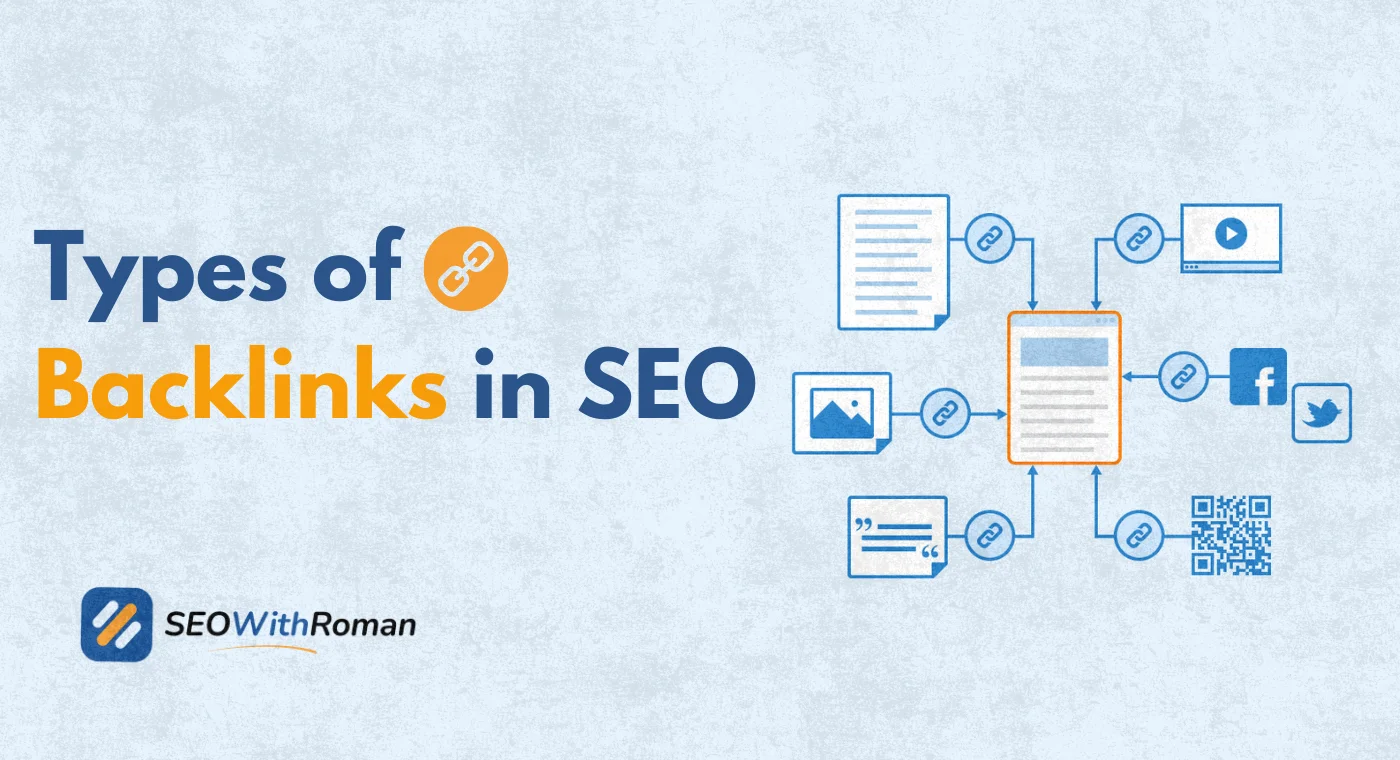
6 Backlink Types Ranked by SEO Value
| Backlink Type | SEO Value | Risk Level | Dofollow | Difficulty to Earn |
|---|---|---|---|---|
| Editorial backlink | Highest | Zero | Usually yes | Hard, requires outstanding content |
| Link insertion on relevant site | Very high | Low if done correctly | Usually yes | Medium, requires outreach |
| Guest post on authority site | High | Low to medium | Often yes | Medium, requires writing quality |
| Business directory listing | Medium | Zero | Usually no | Easy |
| Profile backlink | Low | Zero | Usually no | Very easy |
| Press release backlink | Low to medium | Zero | Usually no | Easy to medium |
| Social media backlink | Very low | Zero | No | Easy |
| Comment backlink | Very low | Low if genuine | Usually no | Easy |
| Paid dofollow backlink | Temporary | Very high | Yes | Easy but expensive |
| Spammy backlink | Negative | High | Varies | Comes to you uninvited |
How to Analyse Your Backlink Profile for Free
Understanding what your current backlink profile looks like is the starting point for any link building strategy. Here are three free tools to do it:
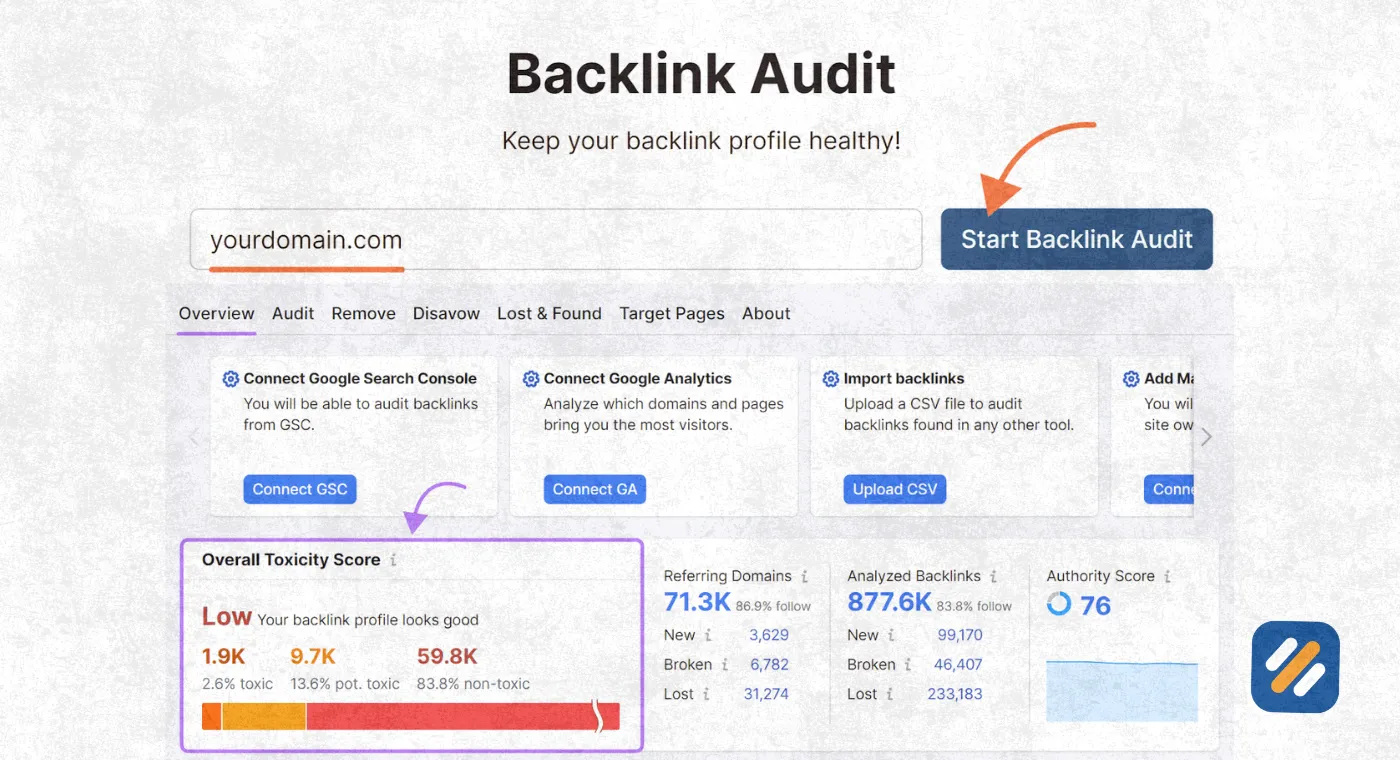
Google Search Console shows you every external website linking to your pages under the Links report in the left sidebar. It is the most accurate source of backlink data because it comes directly from Google. The limitation is that it does not show you anchor text data or whether links are dofollow or nofollow.
Ahrefs Free Webmaster Tools gives you access to Ahrefs backlink data for your own verified website at no cost. It shows you referring domains, anchor text distribution, dofollow vs nofollow split, and any lost backlinks. For a new website this is the most complete free backlink analysis tool available.
Google Search is surprisingly useful for quick backlink discovery. Searching "link:yourcompetitor.com" no longer works reliably in Google, but searching for your competitor's brand name alongside their content titles often surfaces mentions and links that tools have not yet indexed.
7 3 Expert Tips for Building a Backlink Profile That Lasts
Tip 1: Prioritise Referring Domain Diversity Over Total Link Count
Ten links from ten different high authority referring domains will outperform fifty links from five websites every single time. When planning your outreach, always target new referring domains rather than getting additional links from websites that have already linked to you.
Tip 2: Monitor Your Anchor Text Distribution Monthly
One of the fastest ways to trigger a Google algorithmic penalty is allowing your exact match anchor text percentage to climb above 10 percent. Check your anchor distribution in Ahrefs or Google Search Console every month and diversify immediately if exact match anchors are becoming dominant.
Tip 3: Build Links to Inner Pages, Not Just Your Homepage
Most beginners focus all their link building efforts on their homepage. In reality, Google evaluates the authority of individual pages, not just domains. Building backlinks directly to your best articles and category pages distributes authority more effectively and helps those specific pages rank for their target keywords faster.
8 Conclusion
Backlinks remain one of the three most important ranking factors in Google's algorithm in 2026. But the era of building hundreds of low quality links and watching rankings climb is over. Google's systems are sophisticated enough to distinguish between earned authority and manufactured authority, and the gap between the two is only growing wider.
The types of backlinks that build sustainable rankings are the ones that are genuinely hard to scale: editorial links earned through outstanding content, guest posts on authoritative relevant publications, and link insertions placed where they genuinely add value for readers.
Build your backlink profile the way you would build a professional reputation. One high quality relationship at a time. One piece of genuinely useful content at a time. That approach has never been penalised and never will be.
Have a question about a specific type of backlink or your current link building strategy? Leave a comment below and I will answer it personally.
Join 1,000+ business owners and bloggers who get one actionable SEO tip every week — straight to their inbox. Free forever.
Get Free Weekly Tips →