- The exact meaning of a keyword in SEO, explained in plain language
- Every major type of SEO keyword, and when each one actually works
- How to create your own list of SEO keywords from scratch
- Where and how to find the SEO keywords your real audience is typing into Google
- Exactly how to use keywords on a page without triggering a keyword stuffing penalty
- Whether a complete beginner can realistically learn and do SEO
1 What Are Keywords in SEO
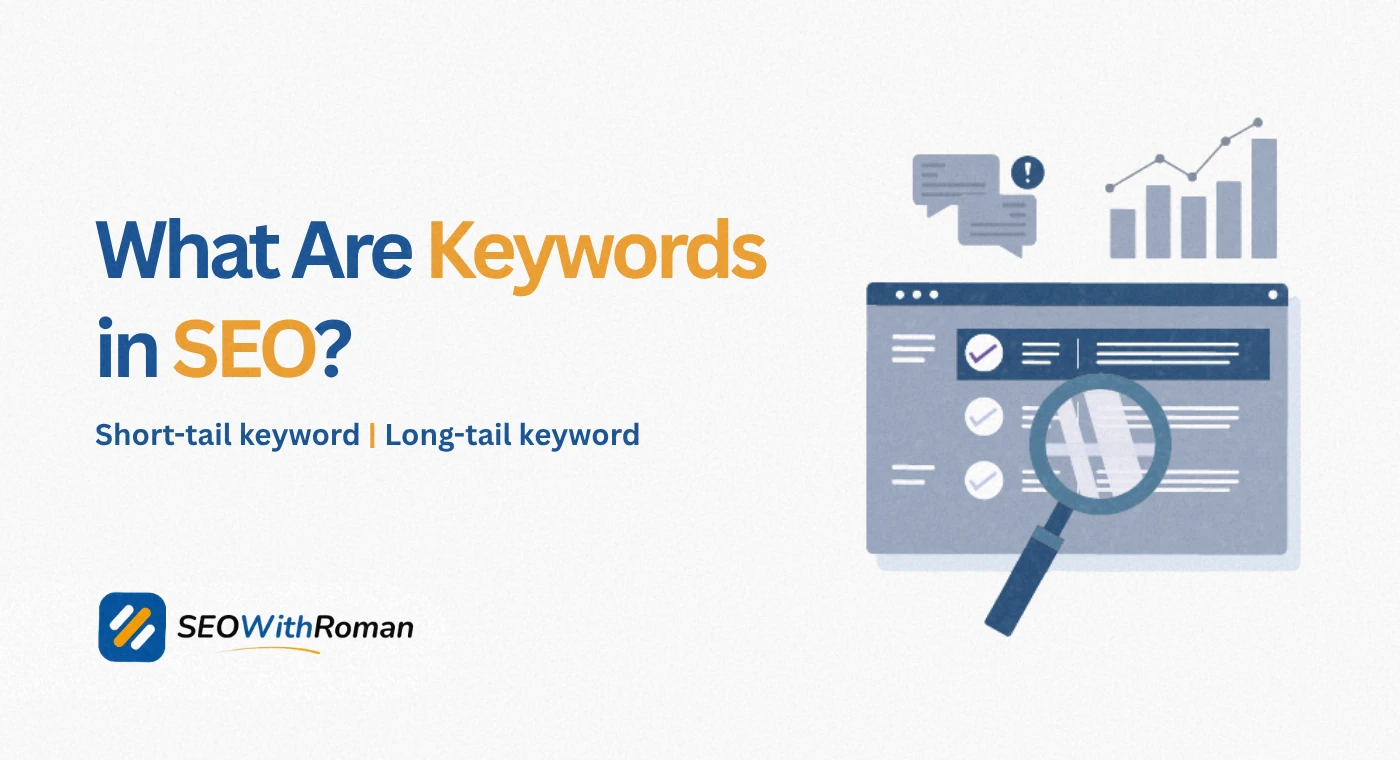
A keyword is the word or phrase a person types into Google, or says out loud to a voice assistant, when they are looking for something. In SEO, a keyword is the specific term you choose to build a page around, so that when someone searches that term, your page has a real chance of showing up.
That is the keyword meaning in its simplest form. Despite the name, a keyword is rarely just one word. Most of the time it is a short phrase, sometimes called a keyphrase, because real searches almost never look like single words. Nobody types "shoes" expecting a useful answer, they type "best running shoes for flat feet" or "where to buy waterproof hiking boots."
Here is a way to think about it that actually sticks. Every piece of content you publish answers a question or solves a problem for someone. The keyword is simply the exact words that person used to describe that question or problem before they ever found your page. Get the keyword wrong, and you are writing the right answer to the wrong question.
I have reviewed client sites where a beautifully written page sat on page four of Google for months, not because the content was bad, but because it was built around a keyword nobody was actually searching for. We swapped the target phrase to match real search behavior, made almost no other changes, and the page reached the first page within six weeks.
Quick answer if you are short on time: What is seo keyword use, in one sentence? It is choosing the exact phrase your audience searches for, then building a page that genuinely answers that search better than anything else currently ranking for it.
2 Why Keywords Are Important (More Than You Think)
Keywords matter for two separate reasons that people often blur together, one for search engines and one for your actual visitors.
For search engines, keywords are the clearest signal you can give about what a page is about. Google's crawlers read the words on your page to understand its topic, so if your page never uses the words people actually search for, Google struggles to know when to show it, no matter how well written the content is.
For your visitors, keywords and seo work together to make sure the right person lands on the right page. If your keyword and your content don't genuinely match what the searcher needs, they will bounce straight back to Google within seconds, and that behavior tells Google your page was a poor match, which then hurts your rankings for everyone else too.
This is also where search intent comes in, and it is the piece most beginner guides skip over. Search intent is the reason behind the search, not just the words used. Someone searching "what is a balance sheet" wants an explanation. Someone searching "balance sheet template free download" wants a file, not a lecture. Use the exact same keyword logic but ignore intent, and you can rank for the right phrase while still failing to satisfy the person who clicked.
3 Types of SEO Keywords You Need to Know
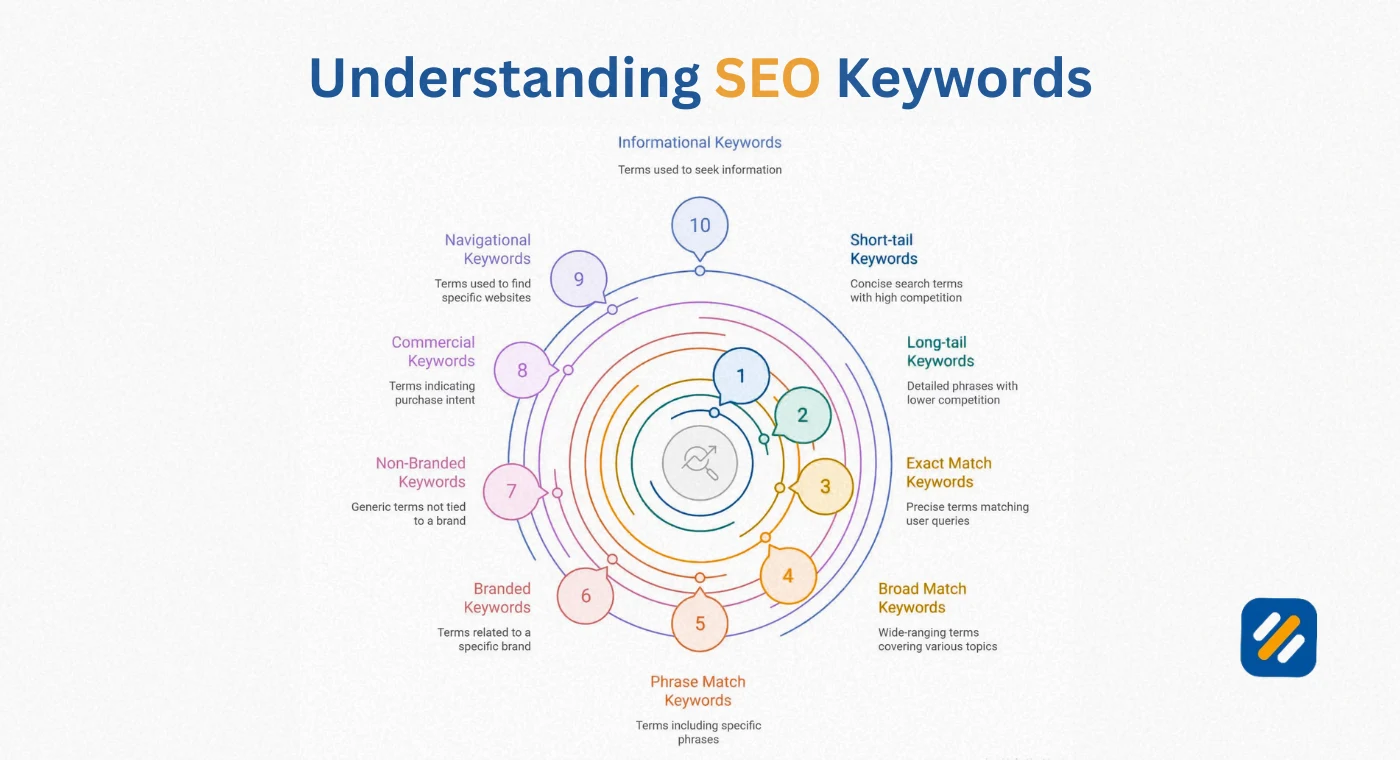
Not all keywords behave the same way, and knowing the difference changes how you plan your content. Here is every major type you will come across.
| Keyword Type | What It Means | Example |
|---|---|---|
| Short-tail keyword | One to two broad words, high search volume, high competition | shoes |
| Long-tail keyword | Three or more specific words, lower volume, easier to rank for | best waterproof hiking boots for wide feet |
| Branded keyword | Includes a specific brand or product name | nike running shoes |
| Informational keyword | Searcher wants to learn something | how does seo work |
| Navigational keyword | Searcher wants to reach a specific site | facebook login |
| Commercial investigation keyword | Searcher is comparing options before buying | best laptops for students |
| Transactional keyword | Searcher is ready to take action | buy wireless headphones online |
| Semantically related keyword | A word closely tied in meaning to your main topic, used naturally alongside it | for "SEO," terms like ranking, search engine, organic traffic |
There is also a term worth knowing if you ever run paid search campaigns alongside your organic SEO work: positive keywords. In Google Ads specifically, a positive keyword is simply a term you want your ad to show for, as opposed to a negative keyword, which blocks your ad from showing on irrelevant searches. It is not an SEO term technically, but marketers frequently search for it right alongside organic keyword questions because the two strategies overlap so heavily.
4 SEO Keywords vs Regular Words: What's Actually Different
Every word you write is technically a word, but not every word is a keyword. The difference comes down to intent and strategy. An SEO word becomes an actual SEO keyword only when you have deliberately chosen it because real people search for it, and you have confirmed that choice with some form of research rather than a guess.
This distinction matters because beginners often confuse "using a lot of relevant words" with having an actual seo keyword strategy. A page can be packed with topic relevant vocabulary and still have zero deliberate keyword targeting behind it, which usually means it ranks inconsistently or not at all, because Google has no single clear signal of what specific search that page is trying to win.
5 How Do I Create SEO Keywords? (Step by Step)
Creating your own keywords for seo is less about invention and more about discovery. You are not making up new phrases, you are uncovering the exact language your audience already uses.
1: Start with your core topic, Write down the broad subject your page or business covers, without worrying about search volume yet.
2: List every question a real customer has asked you, Check emails, reviews, comments, and sales conversations for the exact phrasing people use when they describe their problem.
3: Expand each topic into specific phrases, Turn "coffee" into "best coffee beans for espresso machines" or "how to grind coffee without a grinder," since specific phrases convert better and face less competition.
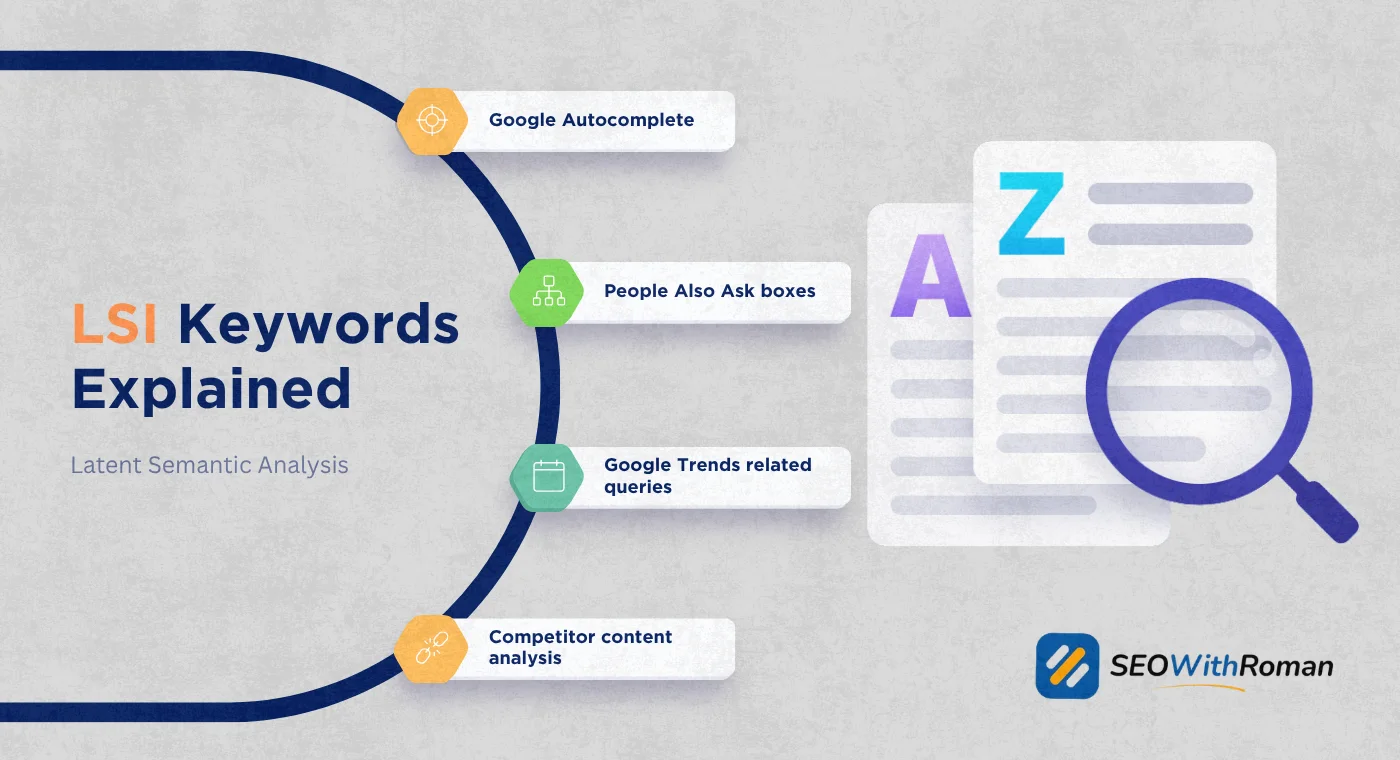
4: Check what Google suggests, Type your core topic into Google and note the autocomplete suggestions and the "People also ask" box, both reflect real search behavior pulled directly from actual users.
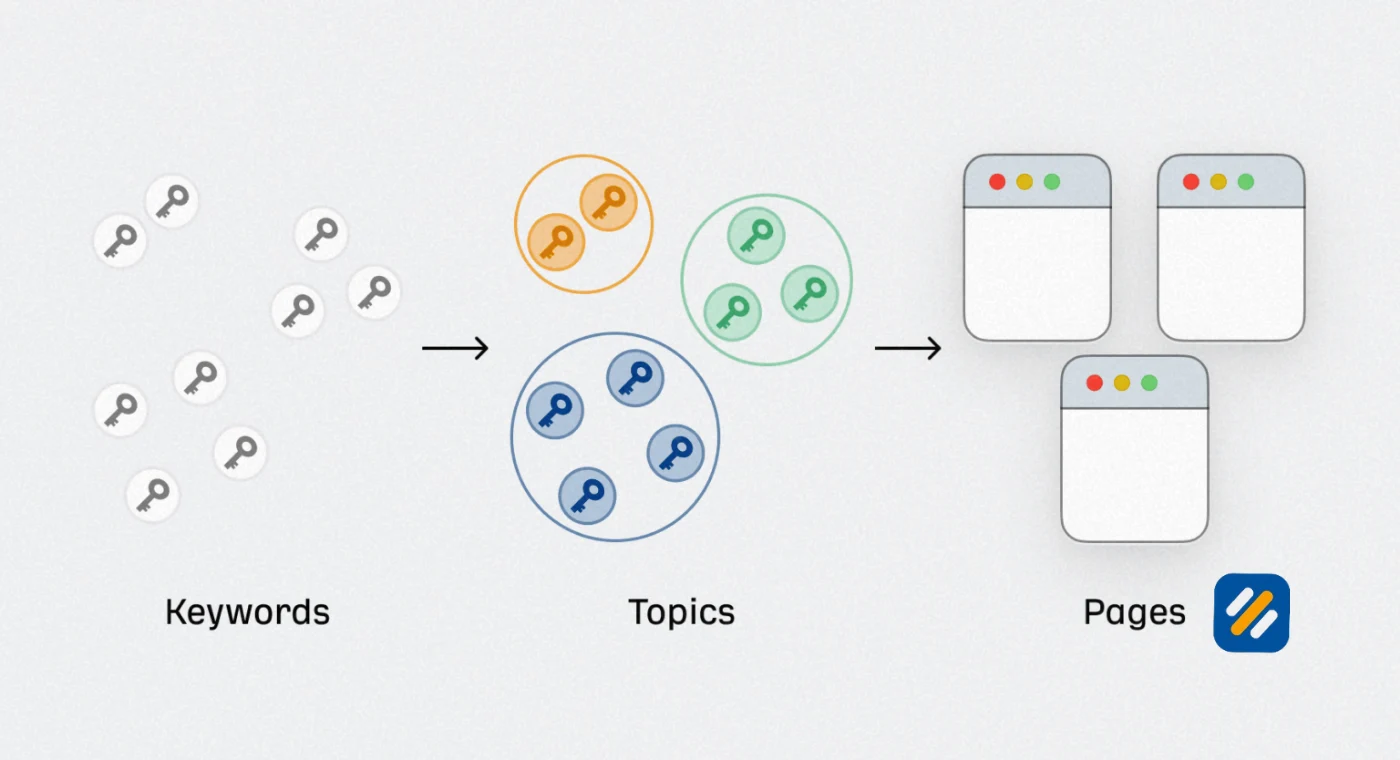
5: Group similar keywords together, Related phrases often belong on the same page rather than separate competing pages, which avoids splitting your ranking potential across multiple weak pages instead of one strong one.
6: Assign one primary keyword per page, Resist the urge to target five unrelated phrases on a single page, since focused pages consistently outperform scattered ones.
6 How to Find Your SEO Keywords (Free and Paid Methods)
Once you understand how to create the list conceptually, you need real data to validate it. Here is how to find your SEO keywords without guessing.
Google Autocomplete and related searches: type your core phrase into Google and scroll to the bottom of the results page for a free list of closely related searches
Google Search Console: if your site already has any traffic, this free tool shows the exact phrases people are already using to find you, including ones you never intentionally targeted
Answer the Public and similar question tools: these surface question based searches, which are often easier to rank for and align closely with informational intent
Competitor analysis: check which keywords competing pages already rank for, since a page outranking you is proof that keyword has real, satisfiable demand
Forums and community sites: communities like Reddit and niche forums reveal the exact casual language real people use, which often differs from the polished phrasing marketers assume
7 How to Choose the Right SEO Keywords for Your Site
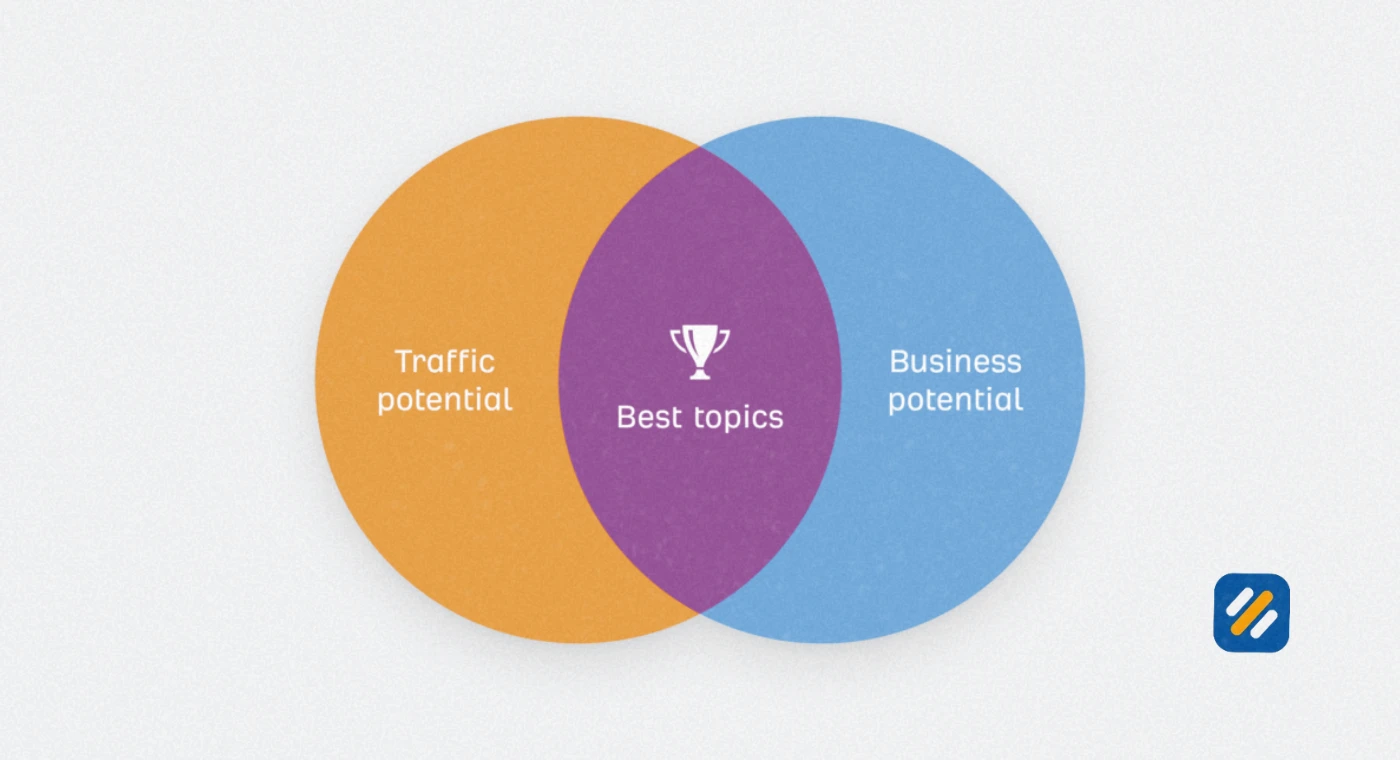
Finding keywords is only half the job, choosing which ones to actually pursue is where most beginners waste time on the wrong targets. Weigh every candidate keyword against three factors together, never just one in isolation.
| Factor | What to Check | Why It Matters |
|---|---|---|
| Search volume | How many people search this monthly | Low volume may mean low payoff even if you rank first |
| Competition | How established the current top ranking pages are | Extremely competitive terms can take years for a new site to rank for |
| Relevance to intent | Does this keyword match what your page actually offers | Ranking for the wrong intent still fails to convert visitors |
A smart approach for a newer website is targeting long-tail keywords first, phrases with lower search volume but far less competition and often stronger buying intent, then gradually working toward broader, harder terms as your site builds authority.
8 How to Use Keywords on Your Website (Without Overdoing It)
Knowing where to place your keyword matters just as much as choosing it correctly. Here is exactly where it should appear.
Page title and meta title: ideally near the beginning, since both users and Google weigh this placement heavily
The main H1 heading: this should closely match your page title to avoid confusing visitors who clicked through from search
The first one hundred words of your content: this confirms to both readers and search engines that the page delivers on its promise immediately
A few subheadings throughout the page: not every single one, forcing it into every heading looks unnatural and reads poorly
Image alt text: a natural, descriptive mention helps with image search visibility as well as accessibility
Meta description: this does not directly affect rankings, but it strongly influences whether someone clicks your result
URL slug: short, readable URLs containing the keyword perform better than long, automatically generated ones
The golden rule across every one of these spots is the same: if the sentence would sound strange read aloud to another person, the keyword placement is forced and needs rewriting.
9 Keywords for Blogs: What's Actually Different
Blog content behaves slightly differently from product or service pages, because blog readers are usually earlier in their decision process. Keywords for blogs tend to skew informational, built around questions, comparisons, and how-to phrasing rather than direct transactional terms.
A blog post built around "how to clean a cast iron pan" will naturally also attract several related searches, like "cast iron seasoning tips" or "why is my cast iron sticky," simply by covering the topic thoroughly. This is why strong blog content often ranks for dozens of keyword variations it was never explicitly optimized for, a side effect of genuinely comprehensive coverage rather than a separate optimization task.
10 Keyword Density: How Much Is Too Much
Keyword density is the percentage of your total word count made up by your target keyword. There used to be a time when stuffing a page with a keyword as many times as possible actually helped rankings. That era is long over, and attempting it today actively damages your page.
| Density Range | Result |
|---|---|
| Under 0.5 percent | May be too thin a signal for Google to clearly identify the topic |
| 1 to 2 percent | Generally considered a healthy, natural range |
| Above 3 percent | Starts to read unnaturally and risks being flagged as keyword stuffing |
A simple gut check works better than a strict formula. Read your page out loud. If the keyword phrase ever makes a sentence sound robotic or repetitive, you have overdone it, regardless of what the percentage calculator says.
11 Can a Beginner Do SEO
Yes, genuinely. SEO has a learning curve, but the fundamentals covered in this exact article, understanding keywords, matching search intent, and placing terms naturally, are entirely learnable without a technical background or a large budget.
What trips up most beginners is not a lack of intelligence, it is chasing competitive keywords too early and getting discouraged when nothing ranks within the first few weeks. SEO is slow by nature, most new pages take two to six months to show meaningful movement, even when everything is done correctly.
A realistic beginner path looks like this: start with long-tail, low competition keywords on a handful of focused pages, use free tools like Google Search Console and Google's own autocomplete rather than paying for expensive software immediately, and track results monthly rather than daily. Beginners who stick with this slower, patient approach for six months consistently outperform beginners who try to rank for broad, competitive terms immediately and quit after three weeks of no results.
12 Common Keyword Mistakes to Avoid
Targeting one keyword per page with no related terms around it: modern SEO rewards topical depth, not single phrase repetition
Ignoring search intent entirely: ranking for the right words with the wrong content type still fails to convert
Keyword cannibalization: creating multiple pages that all target the same keyword, which splits your own ranking potential instead of strengthening one strong page
Copying competitor keywords without checking relevance: a term working for a competitor's different audience or business model may not transfer to yours
Never revisiting old content: search behavior shifts over time, and a keyword strategy from two years ago may no longer reflect how people currently search
13 Tools and Trusted Sources for Keyword Research
| Resource | What It Helps With | Link |
|---|---|---|
| Google Search Console | Shows the actual keywords your site already ranks for | search.google.com/search-console |
| Google Keyword Planner | Free keyword volume and competition data tied to Google Ads | ads.google.com/keywordplanner |
| Google Trends | Tracks how interest in a keyword rises or falls over time | trends.google.com |
| Google Search Central | Official documentation on how Google evaluates page content | developers.google.com/search |
| AnswerThePublic | Visualizes question based searches around any topic | answerthepublic.com |
14 Conclusion
A keyword in SEO is simply the bridge between what someone is searching for and the content you have built to answer it. Everything else in SEO, from on-page optimization to link building, exists to strengthen that one connection. Get the keyword wrong and even flawless writing will struggle to find its audience. Get it right, and even a modestly written page can outperform competitors who skipped this step entirely.
Start small, choose a handful of focused, specific keywords that genuinely match your content, place them naturally, and give the process time. That patient, deliberate approach is what separates SEO that compounds for years from SEO that fizzles out after one disappointing month.
Have a question about choosing your own SEO keywords, or want a second opinion on a page you are working on? Drop a comment below and I will take a look personally.
Join 1,000+ business owners and bloggers who get one actionable SEO tip every week — straight to their inbox. Free forever.
Get Free Weekly Tips →