- Claude and ChatGPT are the two most widely used AI tools for SEO content creation in 2026
- Claude produces more natural, human-sounding content that is less likely to trigger AI detection patterns
- ChatGPT has a larger ecosystem with image generation, custom GPTs, and more integrations
- For pure SEO content writing, keyword research assistance, and on-page optimisation guidance, Claude consistently outperforms ChatGPT
- Both tools work best when combined with your own expertise and real-world experience, not used as a replacement for it
1 Why SEO Professionals Are Talking About Claude vs ChatGPT Right Now
If you have spent any time in SEO communities on LinkedIn or Reddit in 2026, you have noticed a shift. Conversations that used to be purely about ChatGPT have started including Claude more and more. Content teams are switching. Solo bloggers are switching. Even enterprise SEO departments are re-evaluating which AI tool sits at the centre of their content workflow.
I use both tools daily in my SEO work across B2B, ecommerce, and personal brand projects. After hundreds of hours of real-world testing across keyword research, content briefs, article writing, on-page optimisation, and technical SEO guidance, I have a clear picture of where each tool wins and where it falls short.
This is not a surface-level comparison. This is a practical breakdown of how Claude AI and ChatGPT perform on the tasks that actually matter for ranking on Google in 2026.
2 What Is Claude AI and How Does It Work
Claude is an AI assistant built by Anthropic, a company founded in 2021 by former members of OpenAI, including Dario Amodei and Daniela Amodei. Anthropic describes its mission as building AI systems that are safe, interpretable, and steerable, which directly influences how Claude behaves in practice.
Claude is built on Anthropic’s Constitutional AI framework, which means it is trained not just on data but on a set of principles designed to make it more honest, more careful, and less prone to producing harmful or misleading output. For SEO professionals, this matters because it means Claude tends to produce content that is more factually grounded and less prone to the confident-sounding hallucinations that occasionally slip through in other AI tools.
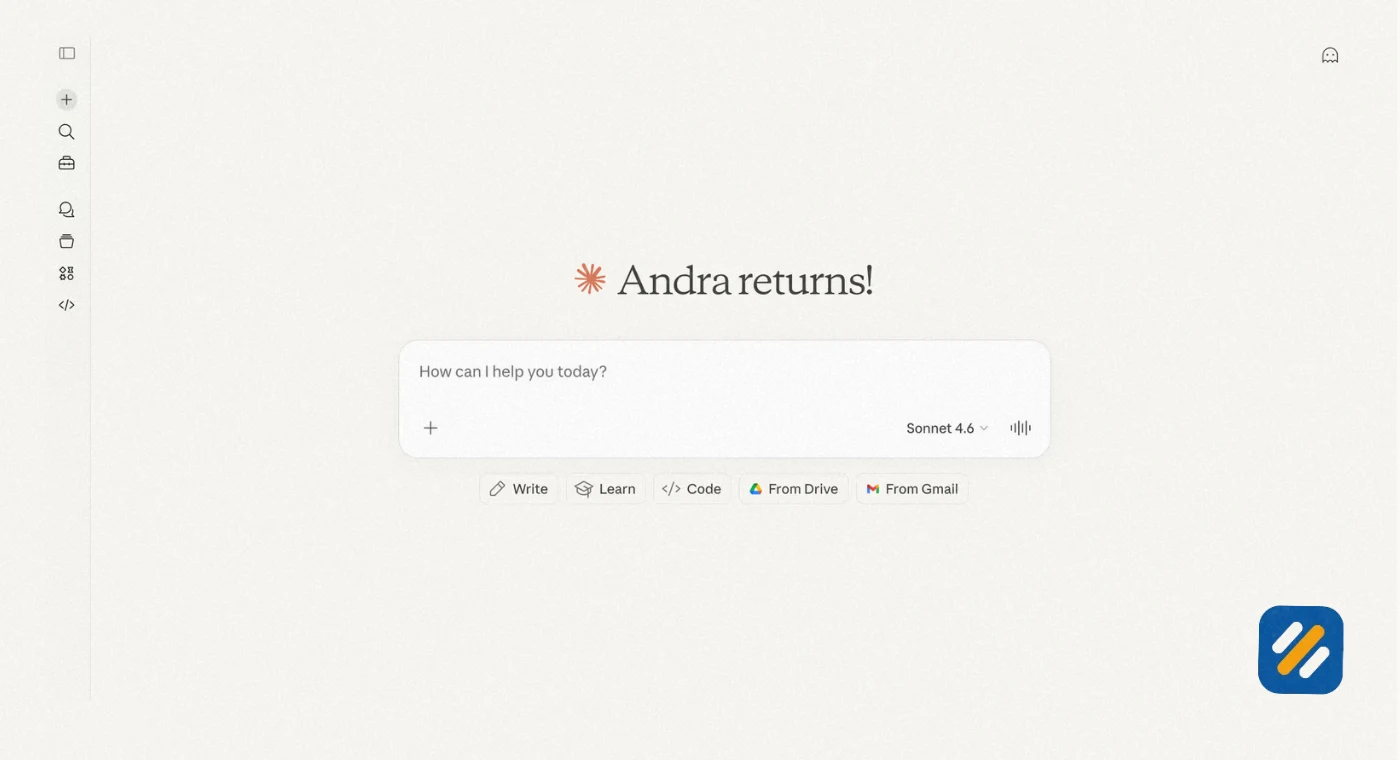
As of October 2026, Claude’s current models include Claude Sonnet 5.5 as the everyday working model, Claude Opus 5.5 for complex tasks, Claude Haiku 5.5 for speed, and Claude Fable 5.1 for ambitious long-running projects. The free version gives you access to Claude Sonnet 4.6, which is still more than capable for most SEO writing tasks.
Claude’s context window of up to 1 million tokens means it can read and process an entire website’s worth of content in a single session, which has significant implications for technical SEO audits and content gap analysis.
3 What Is ChatGPT and How Does It Work
ChatGPT is an AI assistant built by OpenAI, one of the most well-funded AI research companies in the world. Launched publicly in November 2022, it was the tool that introduced most of the world to conversational AI and it remains the most recognisable AI brand globally.
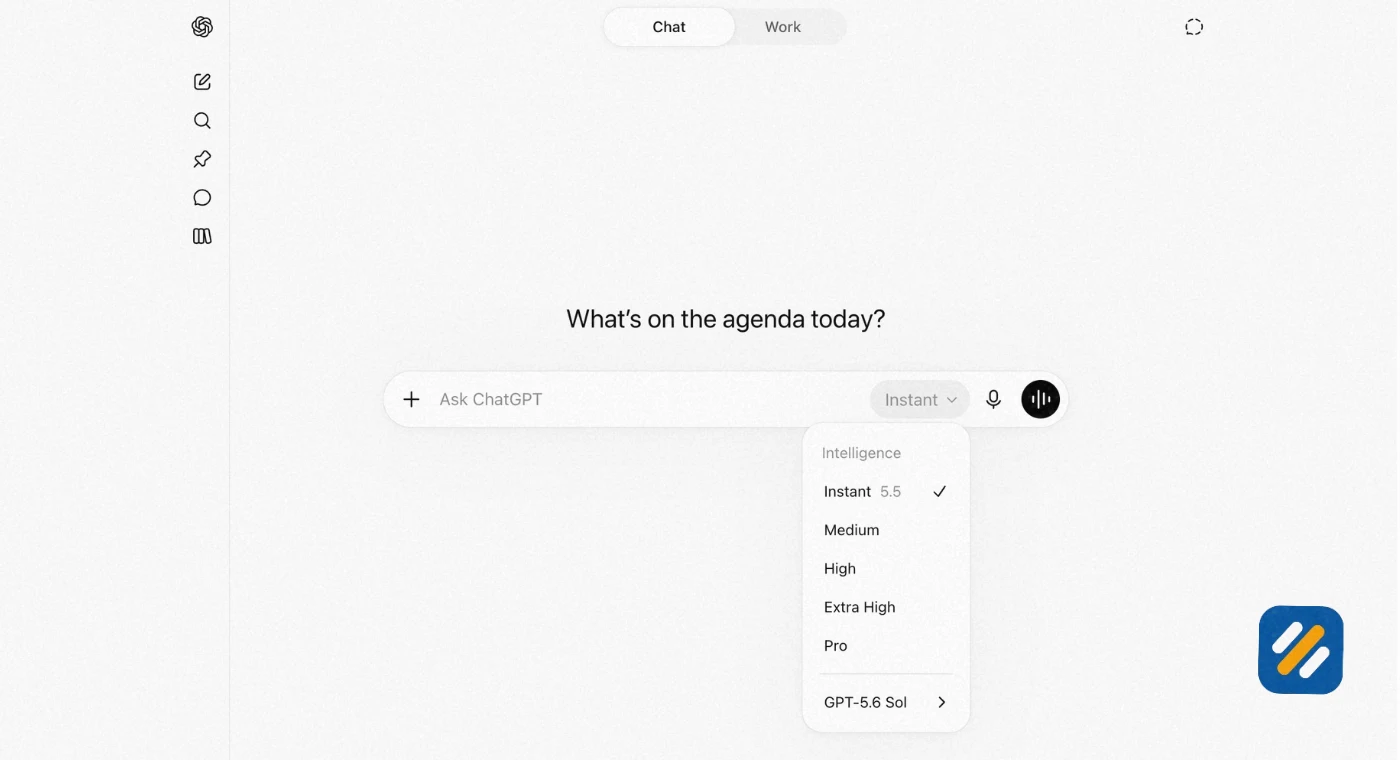
ChatGPT is built on the GPT series of large language models. As of 2026, the current models available through ChatGPT include GPT-6 Luna as the default everyday model and GPT-6.1 Sol as the most powerful reasoning model available on paid plans.
ChatGPT’s key strength is breadth. Beyond text generation it can generate images through its built-in image generator, create and share custom GPT assistants, run agentic tasks through ChatGPT Work, and access a browser to research live web pages. For SEO professionals who want one tool that handles multiple tasks including visual content creation, ChatGPT offers more surface area than Claude.
The free version of ChatGPT remains widely accessible and gives users basic access to GPT-6 Luna with some limitations on usage volume and advanced features.
4 Claude vs ChatGPT | Full Feature Comparison for SEO Professionals
| Feature | Claude AI | ChatGPT | SEO Relevance |
|---|---|---|---|
| Content writing quality | More natural, human-sounding output | Good but can feel templated | High. Natural writing ranks better and avoids AI detection |
| Context window | Up to 1M tokens | Up to 1M tokens | High. Useful for long-form content and site audits |
| Web search | Yes, built in | Yes, built in | High. Needed for current keyword data and competitor research |
| Image generation | No | Yes, GPT Image 2.5 | Medium. Useful for featured images and infographics |
| Keyword research assistance | Strong at generating semantic variations | Good at generating keyword lists | High. Both useful, Claude gives more strategic context |
| On-page SEO guidance | Detailed, nuanced recommendations | Solid but more generic | High. Claude gives more actionable specifics |
| Coding and schema markup | Excellent, Claude Code is industry leading | Good with Codex | Medium. Useful for schema, structured data, technical fixes |
| Long-form content | Handles 5,000 plus words cleanly | Can lose consistency on very long pieces | High. Long-form articles rank better for competitive keywords |
| Content tone control | Excellent, adapts naturally to instructions | Good but needs more prompting | High. Consistent tone builds E-E-A-T signals |
| Hallucination rate | Lower, Constitutional AI reduces errors | Occasional confident errors | High. Factual accuracy is a core E-E-A-T requirement |
| Free version availability | Yes, Claude Sonnet 4.6 | Yes, GPT-6 Luna | High. Both accessible without paid plans |
| Paid plan pricing | From $20 per month | From $8 per month (with ads) | Medium. Cost consideration for content teams |
| API access for automation | Yes, Anthropic API | Yes, OpenAI API | Medium. Useful for programmatic SEO at scale |
5 Claude vs ChatGPT for SEO Content Writing | Where the Real Difference Lives
This is the comparison that matters most for anyone running an SEO blog or content operation. And the honest answer is that Claude wins this one clearly.
Here is why, based on direct testing across dozens of articles.
ChatGPT has a recognisable writing pattern. It defaults to heavily bulleted responses, uses formulaic transition phrases, and tends to open paragraphs with words like “certainly,” “absolutely,” and “of course.” These patterns are exactly what Google’s helpful content systems and third-party AI detectors flag as likely AI-generated. For SEO content that needs to feel genuinely human and expertise-driven, these patterns work against you.
Claude writes differently. Its default output reads more like a thoughtful person writing from experience than a language model completing a pattern. Sentences vary in length naturally. It uses concrete examples without being prompted. It pushes back when a prompt is vague rather than filling the gap with filler content.
From my own testing writing SEO articles for SEOWithRoman.com, Claude-written drafts consistently require fewer edits to feel genuinely human. ChatGPT drafts require more aggressive rewriting before they read naturally.
For Google’s E-E-A-T requirements, this difference is significant. Content that reads like a real expert wrote it performs better in Google’s quality assessments than content that reads like it was machine-generated and lightly edited.
6 What Can Claude Do That ChatGPT Cannot
This is one of the most searched questions in the Claude vs ChatGPT debate right now, and the answer covers more ground than most articles acknowledge.
Claude maintains context over much longer conversations: In real SEO workflows, this means you can feed Claude an entire site audit, a competitor analysis, a keyword list, and your content brief in a single session and it will maintain coherent context across all of it. ChatGPT can do this too, but Claude handles long complex sessions more gracefully without losing track of earlier context.
Claude reasons through nuance more carefully: When I ask Claude to analyse why a page is not ranking despite being well-optimised, it considers multiple angles simultaneously, weighs competing explanations, and acknowledges uncertainty where it exists. ChatGPT tends to give confident single answers that are sometimes oversimplified.
Claude’s writing quality for long-form content holds up better: Articles over 2,000 words produced by Claude maintain consistent tone, depth, and logic throughout. ChatGPT articles of the same length sometimes show inconsistency in the second half as the model loses some of the initial context.
Claude is more honest about its limitations: For SEO professionals making decisions based on AI output, an AI that tells you when it is uncertain is more valuable than one that sounds confident about information it may be getting wrong. Claude is much more likely to say “I am not certain about this specific data point” than ChatGPT is.
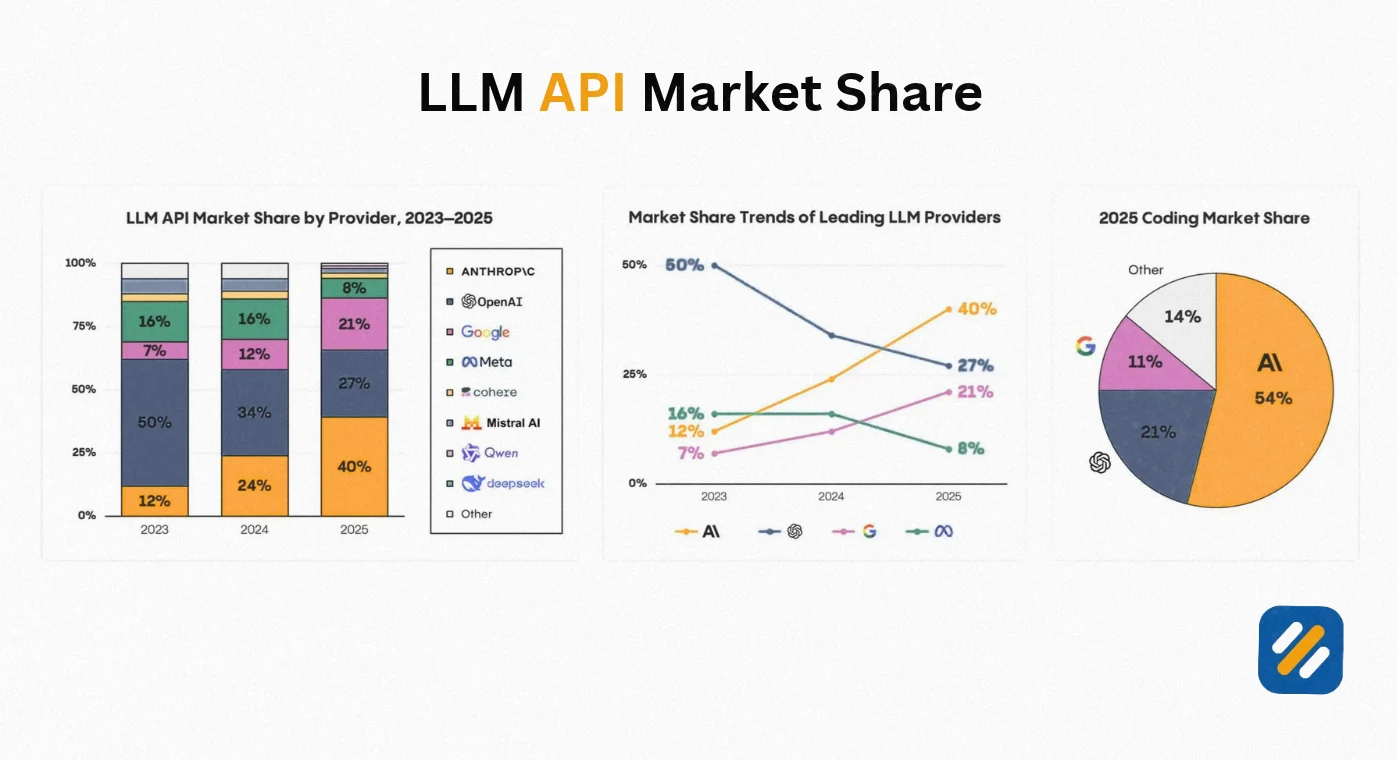
Claude Code is now the dominant tool for technical SEO automation: For tasks like generating schema markup, writing regex for GA4 filters, creating custom Python scripts for bulk meta tag analysis, or building programmatic SEO templates, Claude Code has taken a significant lead. As of late 2025, Anthropic held 54% of the enterprise coding market.
7 Why People Are Switching From ChatGPT to Claude
The shift from ChatGPT to Claude in SEO and content workflows comes down to four practical reasons that keep appearing in user feedback across forums and communities.
Writing quality that passes human review. Content teams that were spending hours rewriting ChatGPT output to sound less robotic find Claude drafts require significantly less editing. The time saving is real and compounds across large content operations.
Fewer hallucinations in technical content. SEO content often covers technical topics including site architecture, algorithm updates, tool comparisons, and statistics. Claude’s lower hallucination rate means technical SEO articles need fewer fact-checking rounds before publication.
Better handling of nuanced instructions. Experienced content teams give complex, layered prompts. They want a specific tone, a specific audience level, specific keyword density, and specific structural requirements all at once. Claude follows multi-layered instructions more reliably than ChatGPT, which sometimes prioritises part of the instruction and drops other parts.
More natural content for E-E-A-T. As Google’s quality systems become more sophisticated at identifying AI-generated content that lacks genuine expertise, the quality gap between Claude’s output and ChatGPT’s output has become more commercially significant. Content teams building long-term SEO strategies care about this gap deeply.
8 Why ChatGPT Still Has Advantages You Should Not Ignore
This comparison would not be honest without acknowledging where ChatGPT genuinely leads.
Image generation is a real advantage. ChatGPT’s built-in image generation through GPT Image 2.5 means content teams can produce featured images, infographics, and visual content without leaving the tool. Claude has no image generation capability at all. For SEO operations that need visual assets regularly, this is a genuine gap.
The ChatGPT ecosystem is larger. Custom GPTs, workspace agents, the ChatGPT marketplace, and deeper integration with Microsoft 365 give ChatGPT more surface area for building automated workflows. For teams already embedded in Microsoft tools, this integration advantage is hard to ignore.
ChatGPT’s task scheduling is useful for content operations. The ability to schedule recurring AI tasks inside ChatGPT, such as daily content briefs or weekly keyword trend summaries, has no direct equivalent in Claude’s standard interface.
ChatGPT Work handles browser-based research. ChatGPT’s agentic product can browse live websites, scrape competitor data, and compile research reports autonomously using a virtual browser. This has direct applications for competitor analysis, SERP research, and content gap identification in SEO workflows.
9 Is Claude Better Than ChatGPT for SEO | The Honest Verdict
For SEO content writing specifically, yes. Claude is better than ChatGPT in 2026 for the tasks that matter most in a content-driven SEO operation.
Here is the breakdown by specific SEO task
| SEO Task | Better Tool | Why |
|---|---|---|
| Writing long-form SEO articles | Claude | More natural tone, better context retention, less editing needed |
| Keyword research and semantic mapping | Claude | Better at reasoning through search intent and semantic relationships |
| On-page SEO recommendations | Claude | More nuanced, considers multiple factors simultaneously |
| Creating schema markup and structured data | Claude | Claude Code leads for technical implementation |
| Writing meta titles and descriptions | Claude | More creative, better at balancing keyword and click-through rate |
| Image creation for blog posts | ChatGPT | Claude cannot generate images |
| Building content calendars | Both equally | Neither has a significant advantage here |
| Competitor content analysis | ChatGPT | ChatGPT Work can browse live competitor pages autonomously |
| Technical SEO auditing and fixes | Claude | Better reasoning and more reliable code output |
| Programmatic SEO at scale | Claude API | More cost-effective for large-scale content generation via API |
The only scenario where I would recommend ChatGPT over Claude for SEO is when image generation or live browser-based competitor research is a core part of your workflow. For everything else, Claude is the stronger choice.
10 How to Use Claude AI for SEO | A Practical Workflow
Knowing which tool is better is only useful if you know how to actually use it. Here is the workflow I use with Claude for SEO content production:
Step 1: Keyword validation. Ask Claude to analyse the search intent behind your target keyword. Prompt: “What type of content does someone searching for [keyword] actually want to find? Is this informational, transactional, or navigational intent? What format do the top-ranking pages likely use?”
Step 2: Content brief creation. Ask Claude to create a content brief including suggested H2 headings, secondary keywords to include, and key questions the article must answer. This brief becomes your article structure before writing begins.
Step 3: Article writing with persona. Include your expertise, audience, and tone requirements in your prompt. Prompt: “Write a 1,400 word beginner-friendly article targeting [keyword]. The author is a Senior SEO Specialist with six years of experience. Audience is US small business owners. Use short sentences, real examples, and avoid jargon.”
Step 4: Add your personal experience. Before publishing, add two to three sentences from your actual client experience or real-world observations. This is what creates the E-E-A-T differentiation that AI alone cannot produce.
Step 5: On-page optimisation check. Ask Claude to review your finished article and confirm keyword density, heading structure, internal linking opportunities, and meta description quality before you paste it into your CMS.
11 Claude AI Price vs ChatGPT Price | Which Gives Better Value for SEO Teams
| Plan | Claude AI | ChatGPT |
|---|---|---|
| Free | Claude Sonnet 4.6 with usage limits | GPT-6 Luna with usage limits |
| Entry paid | Claude Pro at $20 per month | ChatGPT Plus at $20 per month |
| Mid tier | Claude Max at $100 per month for 5x usage | ChatGPT Pro 100 at $100 per month |
| High usage | Claude Max at $200 per month for 20x usage | ChatGPT Pro tiers above $100 per month |
| Team plan | $25 per user per month | $20 per user per month billed annually |
| API pricing | From $0.10 per 1M input tokens (Haiku 5.5) | From $0.10 per 1M input tokens (GPT-6 Luna) |
For solo SEO bloggers and small content teams, the $20 per month plans of both tools offer comparable value. The decision at this price point should be based entirely on which tool produces better output for your specific content needs, not on price.
For larger SEO teams or agencies using the API for programmatic content generation, Claude’s API pricing is competitive and the output quality advantage at scale makes it the stronger commercial choice.
12 3 Expert Tips for Using Claude vs ChatGPT in Your SEO Workflow
Tip 1: Use Claude for writing and ChatGPT for visuals
Do not force one tool to do everything. Use Claude to write your article drafts and then use ChatGPT’s image generator to create the featured image and any supporting visuals. This combination gives you the best output from both tools without compromise.
Tip 2: Always add your own experience before publishing
Neither Claude nor ChatGPT can replicate your firsthand knowledge. One paragraph from a real client project or a specific result you achieved personally does more for your E-E-A-T signals than five paragraphs of well-written AI content. Make this a non-negotiable step in your publishing process.
Tip 3: Use Claude to audit your own content for SEO gaps
Paste your finished article into Claude and ask: “What questions would a reader still have after reading this? What secondary keywords are missing? What internal linking opportunities exist based on these other article topics?” This audit step consistently improves article quality before publishing and takes under five minutes.
13 Conclusion
The Claude vs ChatGPT debate for SEO comes down to what you actually need from an AI tool in your content workflow.
If you are building a content-driven SEO strategy, writing long-form articles, creating on-page optimised guides, and trying to build genuine topical authority, Claude is the stronger choice in 2026. Its writing quality, context handling, and reasoning depth give it a real advantage for the tasks that directly impact Google rankings.
If you need image generation, browser-based competitor research, or a broader ecosystem of integrations, ChatGPT fills those gaps that Claude currently cannot.
The smartest approach is not to pick one and ignore the other. Use Claude as your primary writing and SEO strategy tool. Keep ChatGPT available for image creation and agentic web research. Between them you have a complete AI-powered SEO workflow that no single tool can currently match alone.
Have a question about using Claude or ChatGPT in your SEO workflow? Drop a comment below and I will answer it from real experience.
Join 1,000+ business owners and bloggers who get one actionable SEO tip every week — straight to their inbox. Free forever.
Get Free Weekly Tips →