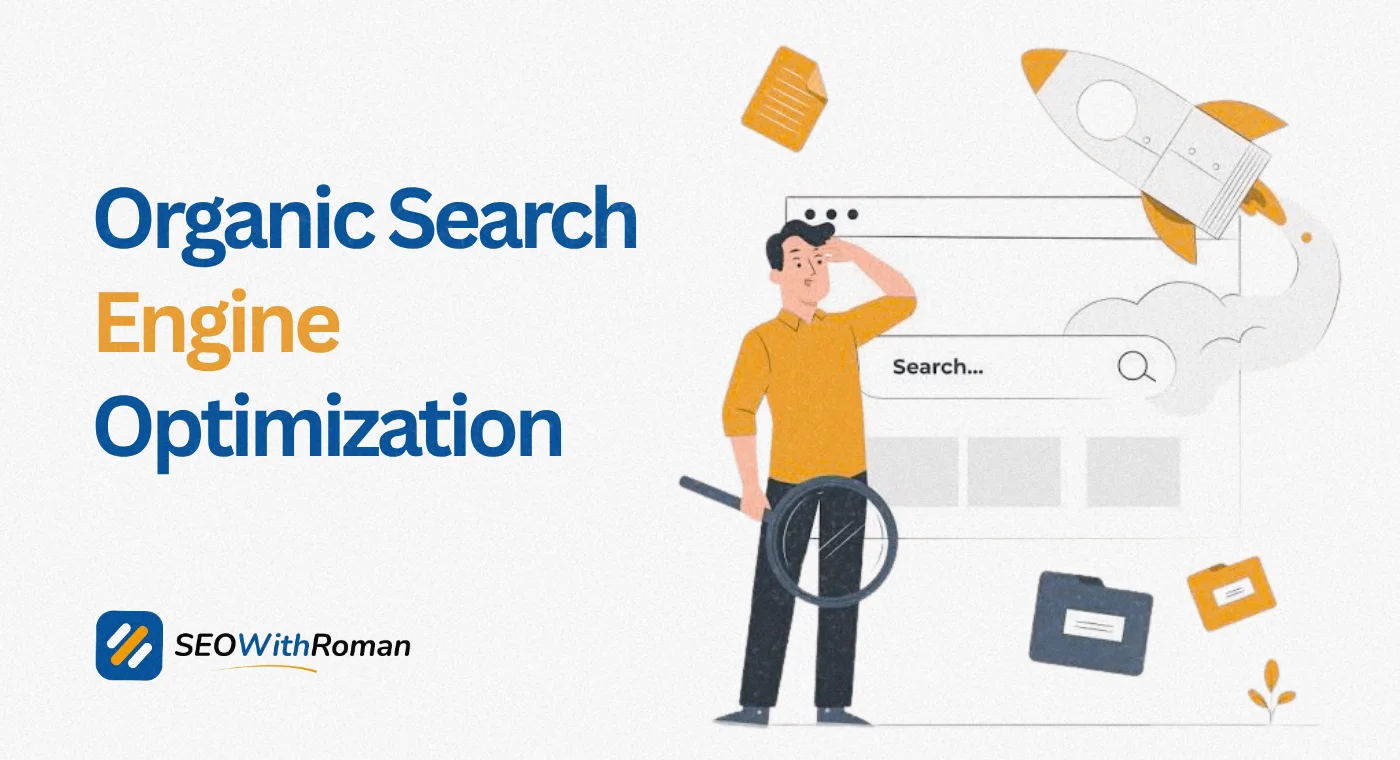
- Organic search engine optimization is the process of earning Google rankings without paying for ads, through content, authority, and technical excellence
- Organic SEO traffic compounds over time, meaning every article you publish today can generate free traffic for years
- There are four types of SEO: on-page, off-page, technical, and local, and all four work together as one system
- SEO is absolutely worth it in 2026, with organic search still driving over 53% of all website traffic globally
- A beginner can learn SEO practically and for free using Google Search Console, Rank Math, and consistent publishing
1 What Is Organic Search Engine Optimization | The Clearest Definition You Will Find
If you have ever typed a question into Google and clicked one of the results that was not an ad, you have already experienced organic search engine optimization in action. You just did not know it.
Organic search engine optimization, also called organic SEO or natural SEO, is the practice of making your website appear higher in Google’s unpaid search results by making your content more relevant, your website more trustworthy, and your technical foundation more accessible to search engine crawlers.
The word “organic” is the key word here. It means natural. Earned. Not purchased
When you run a Google ad, you pay for every single click. The moment your budget runs out, your visibility disappears instantly. Organic SEO works the complete opposite way. You invest time and effort upfront to create and optimise content, and Google rewards that effort with free traffic that continues for months or years without you spending another penny.
I have client articles published in 2022 that still generate consistent traffic in 2026 without a single update. That is what makes organic search engine optimisation fundamentally different from every other marketing channel available to a small business owner.
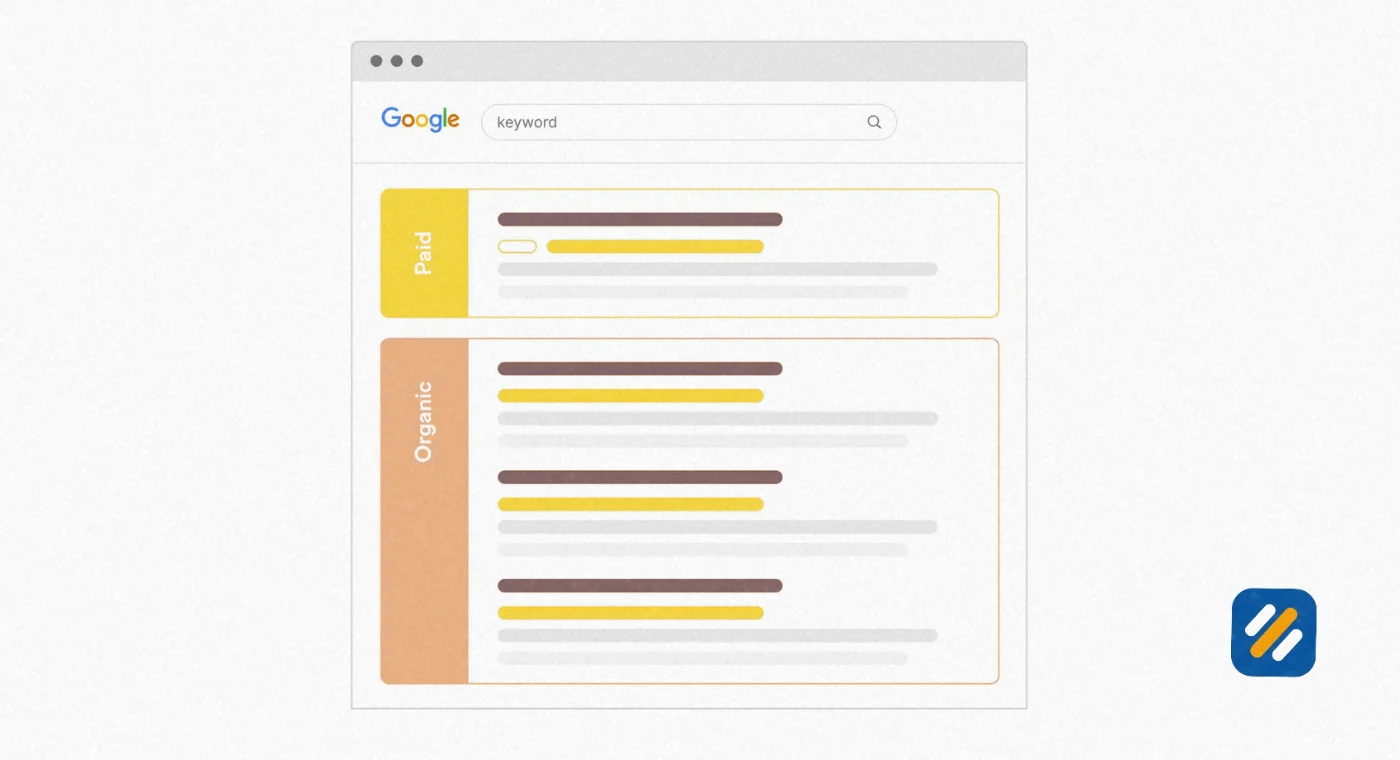
Here is the simplest way to understand it. Every search result on Google is either paid or organic. Paid results have a “Sponsored” label. Everything below that label is organic. Organic SEO is how you earn a position in that second group, and it is where the majority of clicks actually go.
2 Why Organic SEO Matters More in 2026 Than It Ever Has Before
The digital landscape has changed dramatically over the past three years. AI tools, voice search, and Google’s own AI Overviews have all shifted how people find information. Despite all of this, organic search engine optimisation remains the single most powerful long-term traffic strategy available.
Here is why it matters more now, not less
According to BrightEdge research, organic search drives 53% of all website traffic across industries. Paid search drives 15%. Social media drives 5%. The numbers have held remarkably consistent even as AI has transformed how search results look.
Google’s AI Overviews, which now appear at the top of many search results, pull their answers almost exclusively from pages that already rank organically in the top 10. This means strong organic SEO does not just win you traditional blue link clicks. It also positions your content to be cited inside Google’s AI-generated answers, which is a completely new traffic opportunity that did not exist three years ago.
For small business owners and personal brand blogs, organic SEO remains the most level playing field in marketing. A single well-optimised article from an individual expert can outrank a corporation’s page if it serves the searcher’s intent better. Money does not determine the ranking. Quality does.
3 Is SEO Still Worth It in 2026 | An Honest Answer
Yes. Definitively and without qualification.
But the honest answer includes some important context that most people writing about SEO do not give you.
SEO in 2026 is harder than it was in 2019. Competition has intensified. Google’s algorithms are more sophisticated. AI-generated content has flooded the internet with thin, low-quality articles that have forced Google to raise its quality bar significantly.
What this means practically is that the SEO tactics that worked five years ago, such as publishing short articles with keyword density as the only optimisation strategy, no longer produce results. Google’s Helpful Content system now evaluates whether your content demonstrates real first-hand experience and genuine expertise, not just keyword placement.
Here is what SEO looks like when done correctly in 2026
| SEO Factor | 2019 Reality | 2026 Reality |
|---|---|---|
| Content length | 500 to 800 words could rank | 1,200 to 2,000 words with real depth required |
| Keyword strategy | Exact match keywords dominant | Search intent and topical coverage matter more |
| Backlinks | Quantity was highly weighted | Quality and relevance now far outweigh quantity |
| E-E-A-T signals | Author identity barely mattered | Author expertise is a significant ranking factor |
| AI content | Did not exist | Accepted if genuinely helpful and human-enhanced |
| Page experience | Helpful but not critical | Core Web Vitals are a direct ranking factor |
| AI search visibility | Not applicable | Optimising for AI Overviews is now essential |
The businesses and bloggers that treat SEO as a long term asset rather than a quick traffic hack are winning bigger than ever. The ones chasing shortcuts are getting penalised faster than ever.
If you are willing to publish genuinely useful content consistently over 12 months, organic search engine optimisation in 2026 will deliver returns that no paid channel can match at scale.
4 The Four Types of SEO Every Beginner Must Understand
Organic SEO is not a single activity. It is a system built from four distinct types that each play a specific role. Understanding all four is essential because neglecting any one of them limits how far the other three can take you.
Type 1: On-Page SEO
On-page SEO covers every optimisation you make directly on a webpage to make it relevant and readable for both Google and human visitors. This includes your title tag, meta description, heading structure, keyword placement, content depth, internal links, image alt text, and URL structure.
On-page SEO is entirely within your control and is where every beginner should focus first. It is the foundation that tells Google what your page is about and tells visitors whether your content is worth reading.
Type 2: Off-Page SEO
Off-page SEO refers to actions taken outside your website that build its authority and credibility in Google’s eyes. The most important off-page signal is backlinks, which are links from other websites pointing to your content.
When a reputable website links to your article, it passes authority to your page and tells Google that your content is trustworthy enough to recommend. Off-page SEO also includes brand mentions, social signals, and digital PR coverage that builds your website’s overall reputation.
Type 3: Technical SEO
Technical SEO ensures that Google can find, crawl, and understand every page on your website without obstacles. It covers site speed, mobile usability, Core Web Vitals, XML sitemaps, robots.txt, HTTPS security, canonical tags, and structured data markup.
Think of technical SEO as the infrastructure underneath your content. Without it working properly, your best articles may never get indexed, your fastest pages may still feel slow to mobile users, and Google may waste its crawl budget on pages that will never rank.
Type 4: Local SEO
Local SEO optimises your online presence for geographically specific searches. If someone searches “SEO consultant in London” or “plumber near me,” local SEO determines whether your business appears in those results and in the Google Map Pack.
Local SEO includes optimising your Google Business Profile, building local citations across directories, earning reviews, and creating location-specific content. For any business that serves a specific geographic area, local SEO is a separate and equally important discipline from general organic SEO.
| SEO Type | Primary Focus | Who Needs It Most | Key Tools |
|---|---|---|---|
| On-Page SEO | Content relevance and page structure | Every website without exception | Rank Math, Google Search Console |
| Off-Page SEO | Authority and trust signals | Sites competing for medium and high difficulty keywords | Ahrefs, SEMrush |
| Technical SEO | Crawlability and performance | All websites, especially WordPress | Screaming Frog, PageSpeed Insights |
| Local SEO | Geographic search visibility | Businesses serving specific locations | Google Business Profile, Moz Local |
5 How Organic Search Engine Optimization Actually Works | Inside Google’s Process
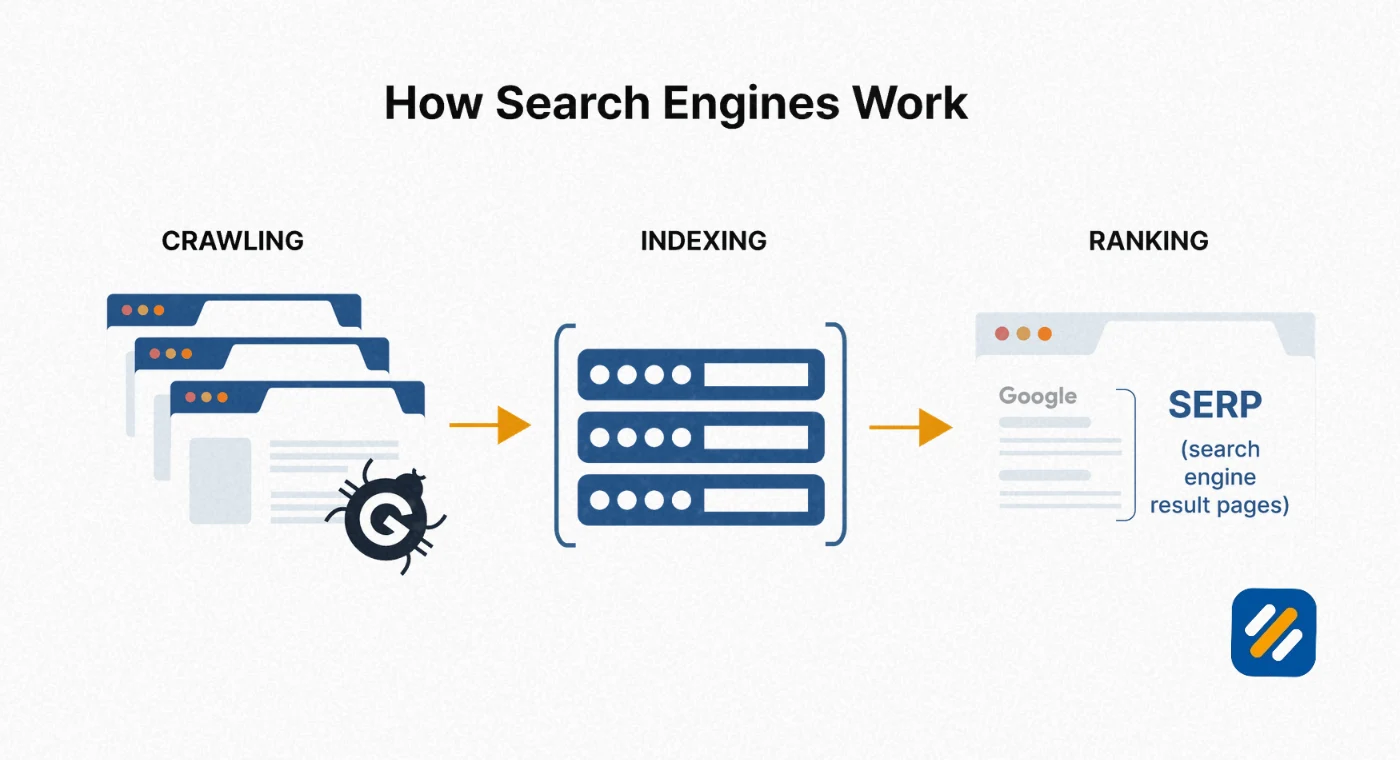
Understanding how Google processes your website changes how you make every SEO decision. Most beginners think of Google as a black box. It is not. Google has published detailed documentation on how it works, and the process follows a clear sequence.
Step 1: Crawling
Google sends automated programs called Googlebot to discover and visit pages across the internet. Googlebot follows links from page to page, reading content and collecting information. If Google cannot crawl your page, because of a robots.txt block, a crawl error, or a technical issue, none of your other SEO work matters because Google never sees the page in the first place.
Step 2: Indexing
After crawling, Google analyses each page and decides whether to add it to its search index. The index is essentially a massive database of every page Google considers worthy of appearing in search results. Pages with thin content, duplicate content, or significant quality issues may be crawled but not indexed.
Step 3: Ranking
When someone searches on Google, the search engine queries its index in milliseconds and ranks the most relevant, authoritative, and trustworthy pages for that specific query. Google uses over 200 ranking signals in this process, but the most important ones for organic SEO are content relevance, page authority built through backlinks, E-E-A-T signals, and page experience metrics.
Step 4: Serving
Google delivers the ranked results to the searcher, including traditional blue links, featured snippets, People Also Ask boxes, local Map Pack results, image carousels, and, in 2026, AI Overview summaries at the top of many results pages.
The goal of organic search engine optimization is to help your pages succeed at every stage of this four-step process.
6 How to Do Organic SEO | The Complete Step by Step Strategy
This is the section most SEO guides either oversimplify or overcomplicate. Here is the exact approach I follow when building organic SEO for a new website from scratch, based on six years of real client results.
Step 1: Fix Your Technical Foundation Before Publishing Anything
Before your first article goes live, Google needs to be able to find and read your site cleanly. Install Rank Math SEO on WordPress, set up Google Search Console, submit your XML sitemap, and verify your site loads in under three seconds on mobile. These steps take one day and they determine how effectively all your future content gets indexed.
Step 2: Build a Keyword Strategy Around What You Can Actually Rank For
A brand new website cannot rank for “organic SEO” or “keyword research.” These keywords have difficulty scores above 60 and the pages holding those positions have years of authority behind them. Start by targeting keywords with difficulty scores under 20 using Ahrefs free keyword generator or Google Keyword Planner. Focus on long-tail, question-based keywords that your specific audience is searching for right now.
Step 3: Create Content That Matches Search Intent Exactly
Before writing any article, Google the target keyword and study what the top three results look like. Are they how-to guides, listicles, definitions, or comparisons? That format tells you exactly what Google believes searchers want. Match the format, then go deeper on the substance than any competitor has gone before.
Step 4: Optimise Every Page Completely Before Publishing
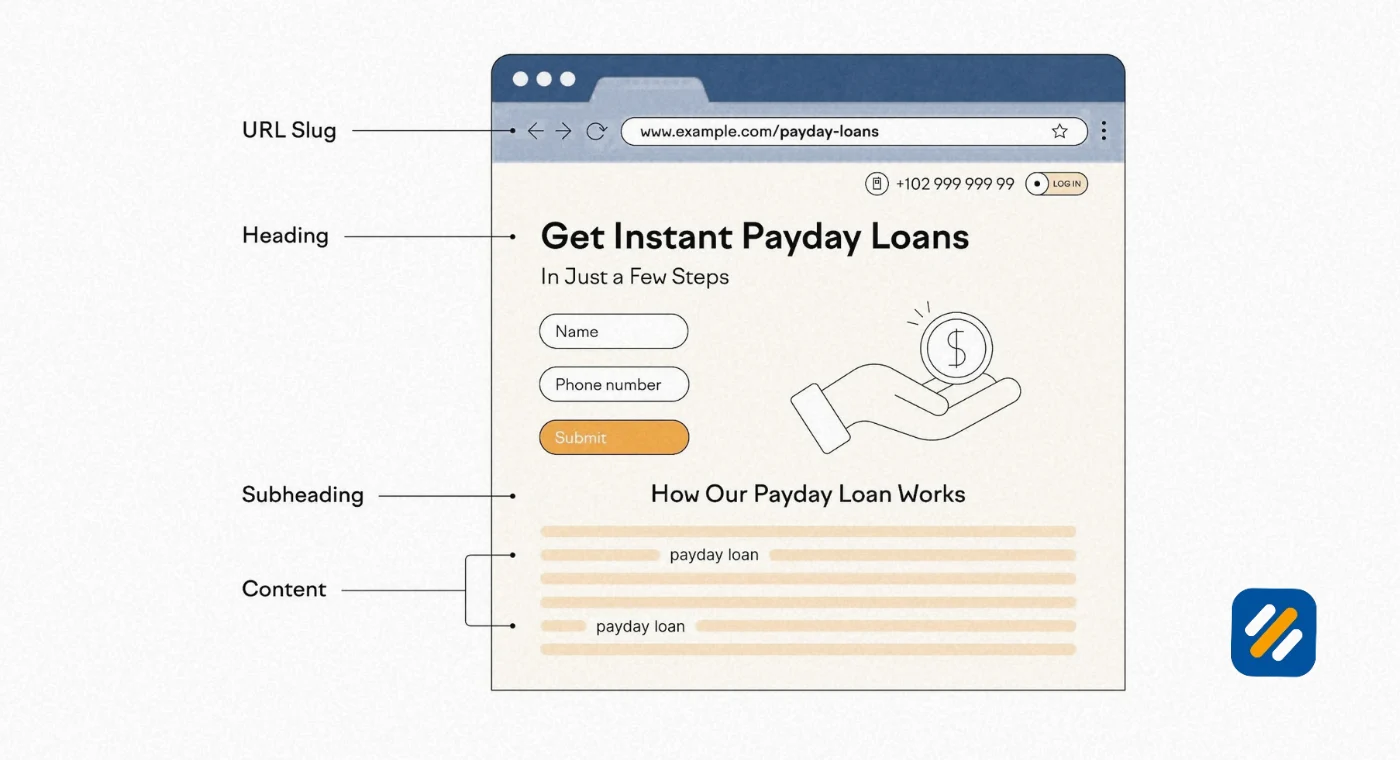
Use Rank Math to achieve a score of 80 or above on every article. Ensure your primary keyword appears in the title tag, the first paragraph, at least one H2 heading, the meta description, and naturally throughout the body at around 1% density. Add internal links to at least two or three related articles. Compress all images and add descriptive alt text.
Step 5: Build Internal Links Systematically as Your Content Library Grows
Every new article you publish should link to at least two existing articles on your site. Every existing article should be updated to link to relevant new content. This internal linking structure distributes authority across your entire site and helps Google understand the depth and breadth of your topical expertise.
Step 6: Earn Backlinks Through Content Worth Linking To
For the first six months of a new website, focus entirely on publishing outstanding content rather than chasing backlinks. Once you have 30 or more articles published, identify your highest quality pieces and begin outreach to relevant websites in your niche. Guest posting, digital PR, and resource page link building are the three most effective backlink strategies for personal brand websites.
Step 7: Monitor, Update, and Improve Based on Real Data
Use Google Search Console every two weeks to check which keywords your articles are beginning to rank for. Any article ranking between positions 5 and 20 is a priority update target. Adding more depth, better examples, fresher data, and stronger internal links to these near-miss articles is consistently the highest ROI activity in organic SEO.
7 How to Learn SEO as a Beginner | A Realistic Roadmap
This is one of the most searched questions about organic SEO, and most answers are either too basic or too overwhelming. Here is a realistic learning roadmap based on what actually works.
Month 1: Learn the fundamentals and set up your tools
Read Google’s own Search Essentials documentation. Set up Google Search Console and Google Analytics 4 on a real website, even a personal blog. Install Rank Math. The goal in month one is not to rank for anything. It is to understand how the system works and have the right tools in place.
Month 2 to 3: Learn keyword research and publish your first ten articles
Use the free versions of Ahrefs keyword generator and Google Keyword Planner to find ten low-difficulty keywords. Write and publish one article per week targeting each keyword. Apply on-page SEO to every article using Rank Math as your guide.
Month 3 to 6: Study what is ranking and why
For every keyword you target, analyse the top three ranking pages. What do they cover that you did not? What makes them earn backlinks? What questions do they answer that your article missed? This competitor analysis process teaches you more about SEO than any course.
Month 6 onwards: Build authority and target harder keywords
As your first articles begin ranking and generating traffic, use Google Search Console data to identify your best performing pages. Update them with fresher content and better examples. Begin targeting keywords with slightly higher difficulty. Start basic backlink outreach with a few genuinely helpful articles as your assets.
The single most underrated beginner SEO resource is Google Search Console itself. It shows you exactly which queries are bringing people to your site, which pages are getting impressions without clicks, and which technical issues are holding your site back. Learning to read GSC data is more valuable than any paid SEO course at the beginner level.
8 Organic SEO vs PPC | Which One Is Actually Better for Your Business
This comparison comes up in almost every conversation I have with small business owners, and the honest answer is that it is the wrong question. Organic SEO and PPC are not competitors. They serve different purposes and work best when used together.
But if you have to choose one because your budget is limited, here is the real comparison
| Factor | Organic SEO | PPC Paid Ads |
|---|---|---|
| Cost per click | Zero once ranking | You pay for every single click |
| Time to first result | 3 to 6 months minimum | Immediate once ads go live |
| Traffic when you stop | Continues for months or years | Stops the moment budget runs out |
| User trust level | High, users trust organic results more | Lower, users know it is advertising |
| Long-term ROI | Compounds and grows over time | Stays flat or increases as competition rises |
| Best for | Sustainable growth, brand authority, content-driven businesses | Product launches, seasonal promotions, testing new markets |
| Skill required | Content creation, SEO strategy, patience | Budget management, ad copywriting, bidding strategy |
| Minimum viable budget | Near zero with time investment | Significant budget needed for competitive keywords |
PPC is faster. Organic SEO is more durable. For a small business owner or personal brand blog with a limited budget and a 12-month horizon, organic search engine optimization consistently delivers a better return on investment than paid advertising.
The businesses winning in 2026 use PPC for short-term campaigns and product promotions while building their organic SEO foundation simultaneously. Neither replaces the other but if you can only do one right now, organic SEO is the better long-term investment.
9 Organic SEO Tips | 3 Expert Strategies That Make a Real Difference
Most organic SEO tips you read are generic. These three are based on what I have seen consistently move rankings for real client websites across multiple industries.
Tip 1: Target the “Position 5 to 15” Opportunity Before Publishing New Content
Most website owners focus all their energy on publishing new articles. The highest ROI activity in organic SEO is actually improving articles that already rank between positions 5 and 15 in Google Search Console. These pages are already indexed and trusted by Google. Adding more depth, better examples, updated data, and stronger internal links can push them to positions 1 to 4 faster than any new article you publish.
Tip 2: Write for the People Also Ask Box From the First Draft
Google’s People Also Ask boxes appear on almost every search result page and get significant click-through rates. Before writing any article, search your target keyword, write down every PAA question that appears, and answer each one directly inside your article using its exact question as an H3 subheading followed by a one or two sentence direct answer. This structure dramatically increases your chances of appearing in both PAA boxes and Google’s AI Overviews.
Tip 3: Update Your Best Articles Every Six Months Without Exception
Google’s systems reward freshness on competitive topics. An article about “organic SEO” that was published in 2024 and never updated will gradually lose ground to a competitor who updated theirs in 2026 with current data, new examples, and a refreshed publication date. Set a calendar reminder every six months to review your top ten traffic-generating articles and update them with current statistics, new internal links, and any information that has changed.
10 How Long Does Organic Search Engine Optimization Take to Show Results
This is the question every beginner asks and the honest answer is the one most people do not want to hear.
Organic SEO takes time. Real, measurable time. And the timeline depends significantly on how competitive your niche is, how new your website is, and how consistently you publish quality content.
Here is what a realistic organic SEO growth timeline looks like for a new personal brand blog in the SEO niche
| Timeframe | What Is Happening | Expected Traffic |
|---|---|---|
| Month 1 to 2 | Google crawling and indexing your first articles | Near zero, building foundation |
| Month 3 to 4 | First long-tail keyword rankings appear | 50 to 300 monthly visitors |
| Month 5 to 6 | More keywords ranking, topical authority forming | 300 to 1,000 monthly visitors |
| Month 7 to 9 | Compounding effect begins, traffic accelerates | 1,000 to 5,000 monthly visitors |
| Month 10 to 12 | Medium difficulty keywords becoming reachable | 5,000 to 15,000 monthly visitors |
| Month 12 to 18 | Authority site status in niche, strong brand signals | 15,000 to 50,000 monthly visitors |
The most important insight about this timeline is that the growth is not linear. It looks like almost nothing is happening for the first three months. Then the curve starts bending upward. By month 12 the compounding effect is unmistakable.
Ahrefs research found that the average page ranking in the top 10 on Google is over two years old. This does not mean you need two years to rank. It means the sites that win organically are the ones that keep publishing and optimising consistently when the early results are slow. That consistency is what separates the websites that eventually dominate their niche from the ones that publish for three months, see no results, and quit.
11 Conclusion
Organic search engine optimization is not a tactic. It is a long-term business asset that grows in value every single month you invest in it consistently.
The four types of SEO work together as one system. On-page tells Google what your content is about. Off-page tells Google your content is trustworthy. Technical SEO tells Google your website is accessible. Local SEO tells Google who you serve geographically. Remove any one of these and the other three are limited.
SEO is absolutely worth it in 2026. Not because the shortcuts are easier, they are harder than ever. But because the websites that do organic SEO properly are building something that paid advertising can never replicate: a compounding traffic asset that generates free visitors, free leads, and free revenue every single day without requiring a daily advertising budget to sustain it.
Start with one article. Target one keyword you can realistically rank for. Optimise it completely. Publish it. Then do the same thing next week.
Twelve months from now that consistency will look like growth. Twenty-four months from now it will look like a business.
Have a question about organic search engine optimization? Leave a comment below and I will answer it personally.
Join 1,000+ business owners and bloggers who get one actionable SEO tip every week — straight to their inbox. Free forever.
Get Free Weekly Tips →